Deep Plane Facelift
Boca Raton, FL



Most people who think about facelift surgery hope for a more defined look and a rested appearance, but still want to look like themselves. The way the face is lifted under the skin makes a big difference. With a deep plane facelift, Dr. Landon Pryor moves the tissues that cause sagging, rather than relying on the skin alone. This method helps Boca Raton patients look refreshed, balanced, and natural.
Primary Goal
Reposition descended facial tissues and improve the cheeks, lower face, and jawline.
Common Concerns
Midface descent, jowls, nasolabial folds, and loose lower-face skin.
Anesthesia
General anesthesia or intravenous sedation, depending on the surgical plan.
Procedure Time
Commonly three to five hours; combined procedures may take longer.
Recovery Period
Most patients plan two to three weeks before returning to work and social activities.
Results
Long-lasting improvement that continues to age naturally.
A deep plane facelift is a type of facial surgery that lifts both the skin and the tissues underneath at the same time. The surgeon works below the layer called the SMAS and releases certain ligaments that hold sagging tissues in place. This allows the cheeks, lower face, and jawline to be lifted from a deeper level.
Extra skin may still be removed, but it does not have to support the lift. After the deeper tissues are moved to a more youthful position, the skin is gently placed over them. This way, the face avoids the tight, stretched look that can happen with older facelift methods.

The SMAS is a strong layer of fibrous tissue beneath the facial skin and fat that continues into the platysma muscle of the neck. Retaining ligaments anchor these tissues to deeper structures and help maintain facial shape.
As skin becomes less firm and facial fat shifts, the cheek fat pad can drop, lines around the mouth get deeper, and tissue may build up along the jawline. By releasing certain ligaments, these tissues can move more easily. Dr. Pryor can then adjust them without making the skin look too tight.
A deep plane facelift may improve:
Dr. Pryor looks at how each person’s face has aged and focuses on the areas that need attention.
A deep plane facelift doesn’t lift a low brow, remove extra skin from the upper eyelids, or fix sun damage and uneven skin texture. It also may not restore lost volume in the temples or other spots. Depending on what you need, Dr. Pryor might suggest a brow lift, blepharoplasty, facial fat transfer, or laser treatments. Surgery can’t stop aging, remove every wrinkle, or promise perfect symmetry.


For an appropriate patient, potential benefits include:
The aim is to give you a natural look that matches your bone structure and features. You should still see yourself when you look in the mirror.
Since “traditional facelift” can mean different things, Dr. Pryor will explain which layers he will work on and why his approach fits your needs.
A deep plane facelift can be especially useful when the cheeks, facial folds, and jawline have descended together. A mini facelift, SMAS facelift, or another focused procedure may be more appropriate for earlier changes.
A deep plane facelift and neck lift are related but distinct procedures. A facelift primarily improves the cheeks, jowls, jawline, and lower face. Some versions extend into the upper neck, while loose neck skin, platysmal bands, or deeper fullness may require additional treatment.
Dr. Pryor looks at both the face and neck before deciding if a neck lift or chin liposuction is needed. This is important when looking at before-and-after photos, since some results called a deep plane facelift may also include other procedures.

You may be a good candidate if you:
There isn’t one perfect age for a facelift. How your face ages depends on your genes, sun exposure, weight changes, and skin quality. Dr. Pryor will see if surgery can make a real difference for you and if you’re ready for the recovery process.
During your consultation, Dr. Pryor examines your cheeks, facial folds, jawline, and the transition between your face and neck. He also evaluates skin elasticity, volume loss, bone structure, hairline, previous scars, fillers, and prior facial surgery.
He’ll ask what concerns you and what kind of change you want. This helps him decide if a deep plane facelift, an extended SMAS facelift, a lower facelift, or another option is best. He will also let you know if a smaller procedure would work for you.

Getting ready for surgery may involve lab tests, medical clearance, and changes to your medications. Do not stop any prescribed medicine unless your doctor tells you to. Because nicotine affects blood flow, you will need to stop smoking, vaping, and using nicotine products as instructed.
Make sure an adult can drive you home and stay with you at first. Set up your recovery space, get your prescriptions filled, and plan to take time off work and avoid heavy activity. Dr. Pryor’s team will give you instructions on eating, drinking, skin care, and sun protection.
Deep plane facelift surgery is performed under general anesthesia or intravenous sedation. The procedure commonly takes several hours, depending on the degree of correction and whether other procedures are included.
Incisions generally begin within or near the temporal hairline and follow the natural curves around the ear. If neck treatment is included, they may continue behind the ear and into the lower hairline. A short incision beneath the chin may be needed to address neck fat or the platysma.
Dr. Pryor works under the SMAS layer and gently releases certain ligaments. He lifts the cheek fat pads and other tissues to a more youthful spot and secures them. The way he moves these tissues is tailored to each person’s features, not done the same way for everyone.
Once the deeper tissues support the lift, the skin is laid smoothly over them. Excess skin is removed conservatively, and the incisions are closed with as little surface tension as possible. A small drain may be placed temporarily to limit fluid accumulation.
All facelift surgeries leave scars. Dr. Pryor makes incisions in natural folds and in the hairline when possible. Scars usually look pink or firm at first, but they soften and fade over time. Things like your genes, nicotine use, sun exposure, infection, incision tension, and how you care for your skin can affect how scars heal.
Depending on your anatomy, Dr. Pryor may discuss combining your facelift with:
Doing more than one procedure can give a more complete result, but it also means more time and recovery. Dr. Pryor will look at your health, what matters most to you, and your support system before suggesting a combined plan.
It’s normal to have swelling, bruising, tightness, tiredness, and some numbness at first. Most people take two to three weeks off work and social activities, but full healing takes longer.
People often feel pressure, tightness, or soreness after surgery. Dr. Pryor will let you know when it’s safe to return to activities based on how you are healing.
Potential risks include bleeding, hematoma, infection, fluid accumulation, prolonged swelling, changes in sensation, delayed healing, skin loss, hairline changes, asymmetry, visible or hypertrophic scarring, anesthesia complications, and temporary or permanent facial nerve injury.
A 2026 systematic review of 45 studies involving 10,784 patients reported pooled rates of 1.8% for hematoma, 0.8% for infection, 0.1% for skin necrosis, 2.8% for hypertrophic scarring, and 1.2% for temporary facial nerve injury. No permanent facial nerve injuries were reported in the included studies. These findings cannot predict one patient’s individual risk.
The deep plane is close to facial nerves and important blood vessels. Picking a board-certified facelift surgeon, sharing your full medical history, avoiding nicotine, and following after-surgery instructions can help lower your risk.
Early changes may be visible soon after surgery, but swelling initially makes the face look fuller. Definition improves as the tissues settle. Results can last for years, but your face will still age over time. Keeping a steady weight, protecting your skin from the sun, taking care of your skin, and avoiding nicotine can help you keep your results longer.
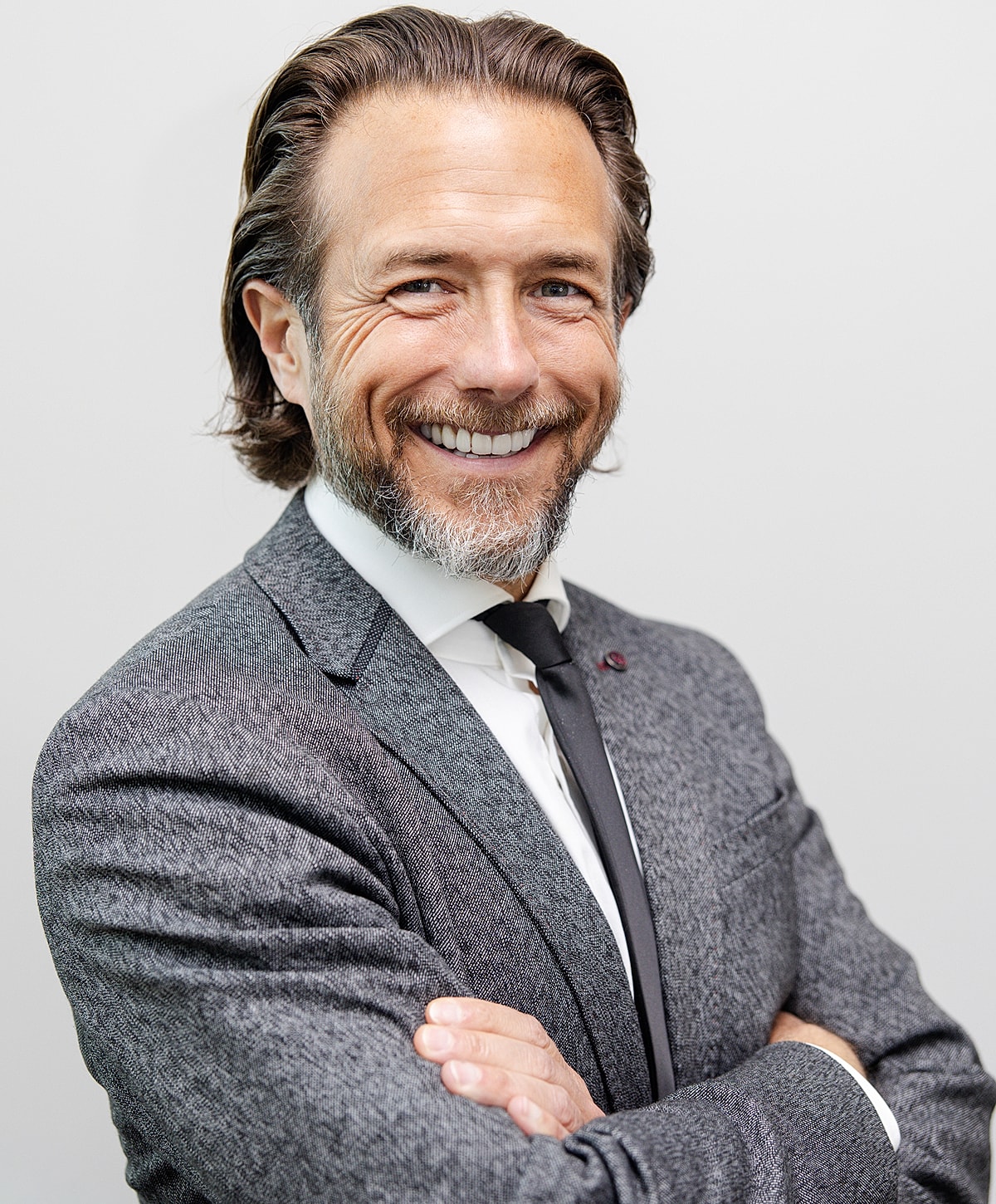
Landon S. Pryor, MD, FACS, is a board-certified plastic surgeon whose training includes fellowships in pediatric and craniofacial surgery at the Children’s Hospital of San Diego and UC San Diego, and aesthetic surgery and breast reconstruction at Cleveland Clinic. This experience gives him a detailed understanding of bone structure, soft tissue, symmetry, and facial function.
Dr. Pryor looks at which parts of your face have changed and how much correction will look natural for you. He explains his recommendations, what they can and can’t do, and what recovery will involve. He may suggest a deep plane facelift, a smaller procedure, or a combination, depending on your needs. His goal is to give you a refined result with clear guidance and careful follow-up. Consultations are offered in Boca Raton and San Diego.
If you feel that changes in your cheeks, jawline, or lower face don’t match how you feel inside, book a private consultation with Dr. Pryor in Boca Raton. He’ll explain if a deep plane facelift is right for your features, health, and goals.
East Coast? West Coast? No matter where you are, getting high-end care from one of the nation’s leading plastic surgeons will be worth the trip. Dr. Landon Pryor is a triple board-certified, triple fellowship-trained plastic surgeon known for surgical excellence in both aesthetic plastic surgery and as a national leader in Breast Implant Illness (BII) care and explant surgery. His aesthetic highlights include a deep structural approach to procedures like facelift, rhinoplasty, and breast contouring, aiming for natural-looking, refined, and stable results. For BII patients, he is recognized as a "Surgeon Advocate" who utilizes innovative explant techniques, such as the En Bloc Capsulectomy, and integrates holistic recovery protocols.
Patients travel from across the country to see Dr. Pryor because he is a "National Destination for Explant Surgery & Aesthetic Excellence," offering a steady presence, an evidence-first approach, and compassionate care from a highly trained surgeon who validates their symptoms and provides a safe path to restoration.
You can schedule a consultation with Dr. Pryor at the following locations:

The procedure is intended to preserve normal facial expressions while repositioning descended tissue. Swelling, tightness, or temporary weakness may affect movement during early recovery, but the goal is a refreshed version of your face rather than a different appearance.
Most patients experience tightness, pressure, soreness, swelling, and temporary numbness. Discomfort is generally most noticeable during the first several days and improves as swelling decreases. Dr. Pryor provides a postoperative pain-management plan.
Previous filler doesn’t necessarily prevent surgery. Tell Dr. Pryor which products were used, where, and when. He can determine whether you should wait or dissolve certain hyaluronic acid fillers.
Revision may be possible, although scar tissue can make another procedure more complex. Dr. Pryor may request your previous operative report before making a recommendation.
A small drain may be used temporarily to prevent fluid from collecting beneath the skin. Whether you need one depends on the extent of your surgery and whether neck treatment is included.
Cost depends on the complexity of the facelift, anesthesia, facility fees, and additional procedures. Facelift surgery is generally considered cosmetic and is not usually covered by insurance. You will receive a personalized quote after your consultation.