Breast Implant Removal
Boca Raton, FL San Diego, CA

Boca Raton, FL San Diego, CA

For many women, the desire to remove breast implants stems from a growing awareness of health concerns like breast implant illness or a recent FDA safety communication regarding textured implants. There is also an increased risk of autoimmune disorders, such as Sjögren's syndrome, scleroderma, and rheumatoid arthritis, associated with breast implants, as well as Breast Implant Illness (BII).
At the practice of Landon S. Pryor, MD, FACS, we view breast explant surgery as a restorative journey. During your consultation, a thorough physical exam and review of your previous surgery are performed to ensure the surgical plan aligns with your personal aesthetic goals. We invite you to schedule a Breast Implant Removal consultation in Boca Raton, FL, or San Diego, CA, to discuss your breast implants with Dr. Pryor and determine the best path forward for you.
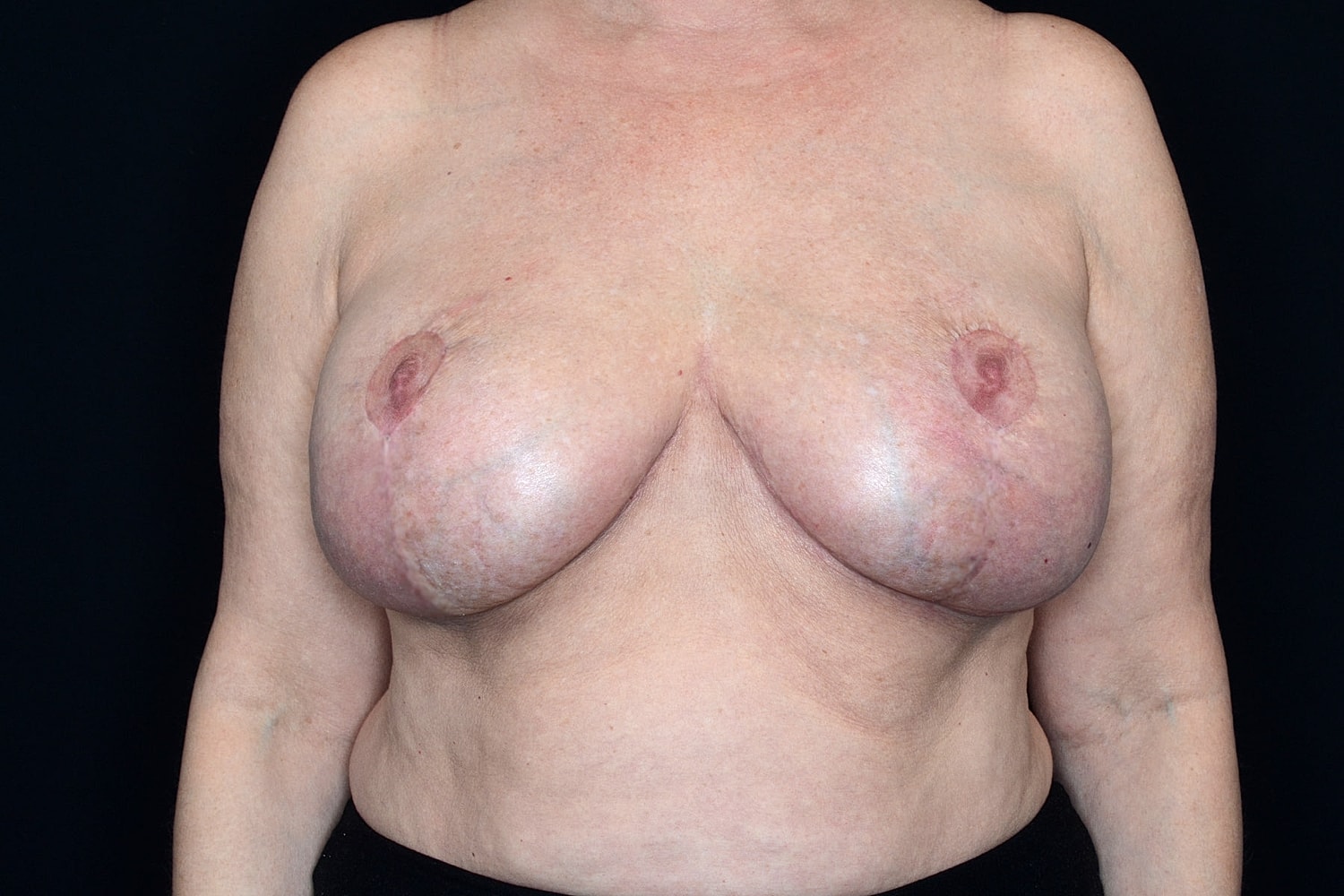
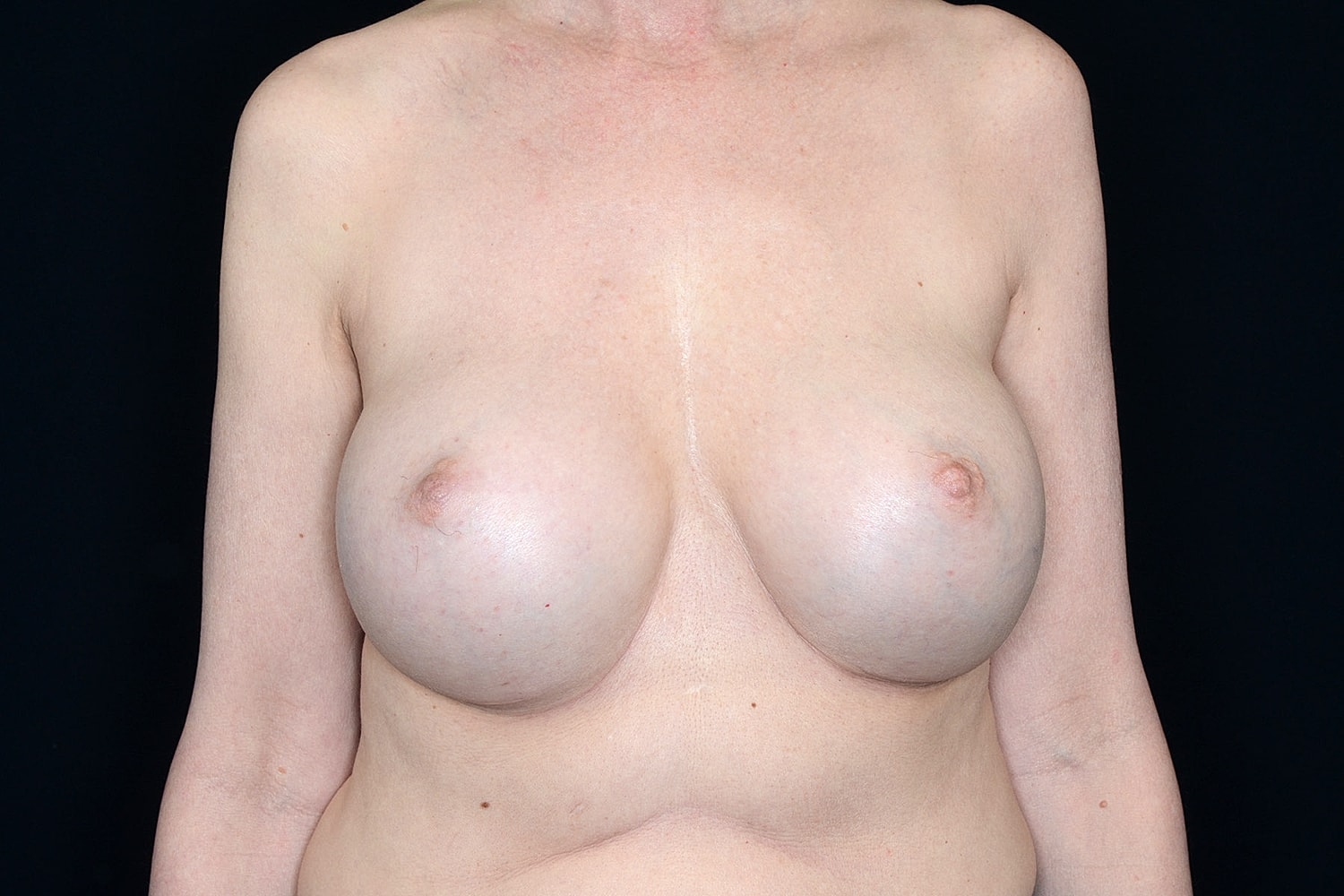
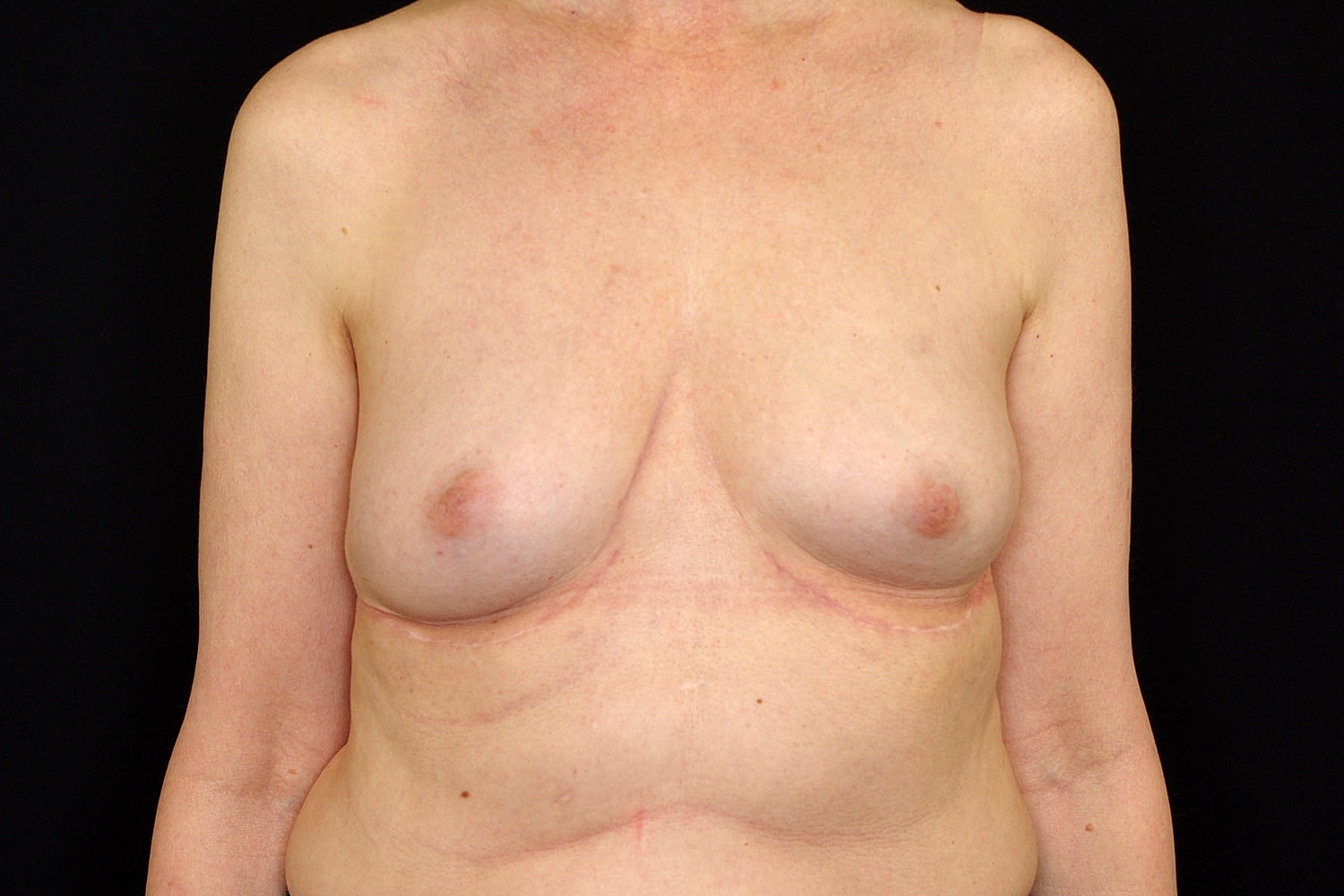
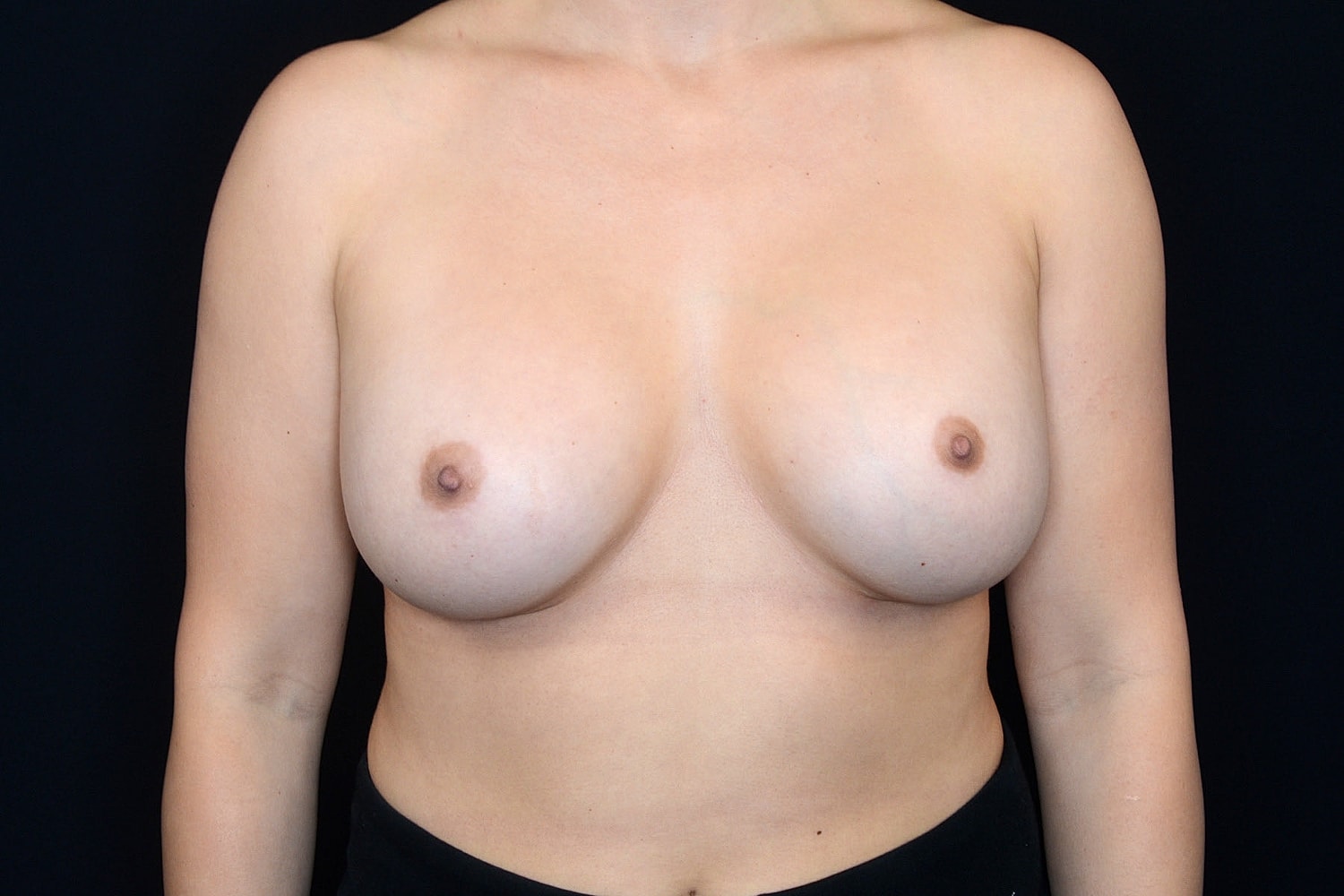
1 of 28
Explant Surgery at a Glance
Primary Goal
Surgical removal of silicone or saline implants and the associated scar capsule.
Specialized Technique
En bloc capsulectomy is always performed to remove the implant and capsule as one unit.
Anesthesia
Performed under general anesthesia in a state-of-the-art surgical suite.
Recovery
Most Boca Raton Breast Implant Removal patients return to light activities within a few weeks.
Breast implant removal surgery is a procedure to permanently remove silicone or saline implants. Removing implants is often chosen for reasons such as health concerns, discomfort, aesthetic preferences, or personal choice, and requires a careful, personalized approach by a specialist. This process involves more than just taking out the device. It requires a skilled plastic surgeon to address the scar tissue capsule that has formed around the implant through a technique called en bloc capsulectomy. Additionally, removing breast implants can lead to clearer mammograms and improved breast health monitoring.

To ensure the most thorough results, Dr. Pryor always performs an en bloc capsulectomy. This specialized surgical technique involves having the breast implants removed along with the entire capsule of scar tissue surrounding the device. By removing the implant and the scar tissue as one single unit, we prevent any trapped fluid or debris from contacting the chest wall or surrounding breast tissue. Scarring is inevitable following breast implant removal surgery, particularly if a capsulectomy is performed. Your surgeon may place drains beneath your skin to remove excess fluid or blood after surgery, helping reduce swelling and prevent complications. You may also need to wear a compression garment or special support bra to reduce swelling and support the healing process. After Breast Implant Removal Boca Raton, patients will receive specific recovery instructions from their provider. Patients considering implant removal should seek care from a board-certified plastic surgeon. The decision to undergo explantation should involve a thorough discussion of the risks and benefits with a plastic surgeon.
While the surgery is performed on the breasts, the impact is felt throughout the entire body. The goal is to eliminate the source of the inflammatory response, which can alleviate systemic symptoms. By focusing on removing the breast implant capsules and any silicone that may have leaked from an implant rupture, we help the immune system return to balance.


The most profound Breast Implant Removal benefit is the significant improvement in your overall health and energy levels. Freed from the burden of systemic symptoms, many patients find they can return to an active lifestyle and a clearer state of mind. Removing breast implants eliminates the risk of future complications like capsular contracture or implant rupture, providing long-term peace of mind.
If you are experiencing BII symptoms and believe they are linked to your implants, you may be an ideal candidate for explant surgery. Dr. Pryor will review your medical history and any documented symptoms to create a personalized treatment plan. Whether your implants were placed recently or decades ago, our team is dedicated to helping you determine if removal is the right step for patient safety and recovery.

Breast Implant Removal recovery from an en bloc capsulectomy requires a gentle touch and patient-centered support. While you may experience some temporary breast pain or tightness, most women find that the surgical discomfort is far outweighed by the immediate relief from systemic symptoms. We provide detailed aftercare protocols to support your immune system as it heals, ensuring a smooth transition back to your daily routine.
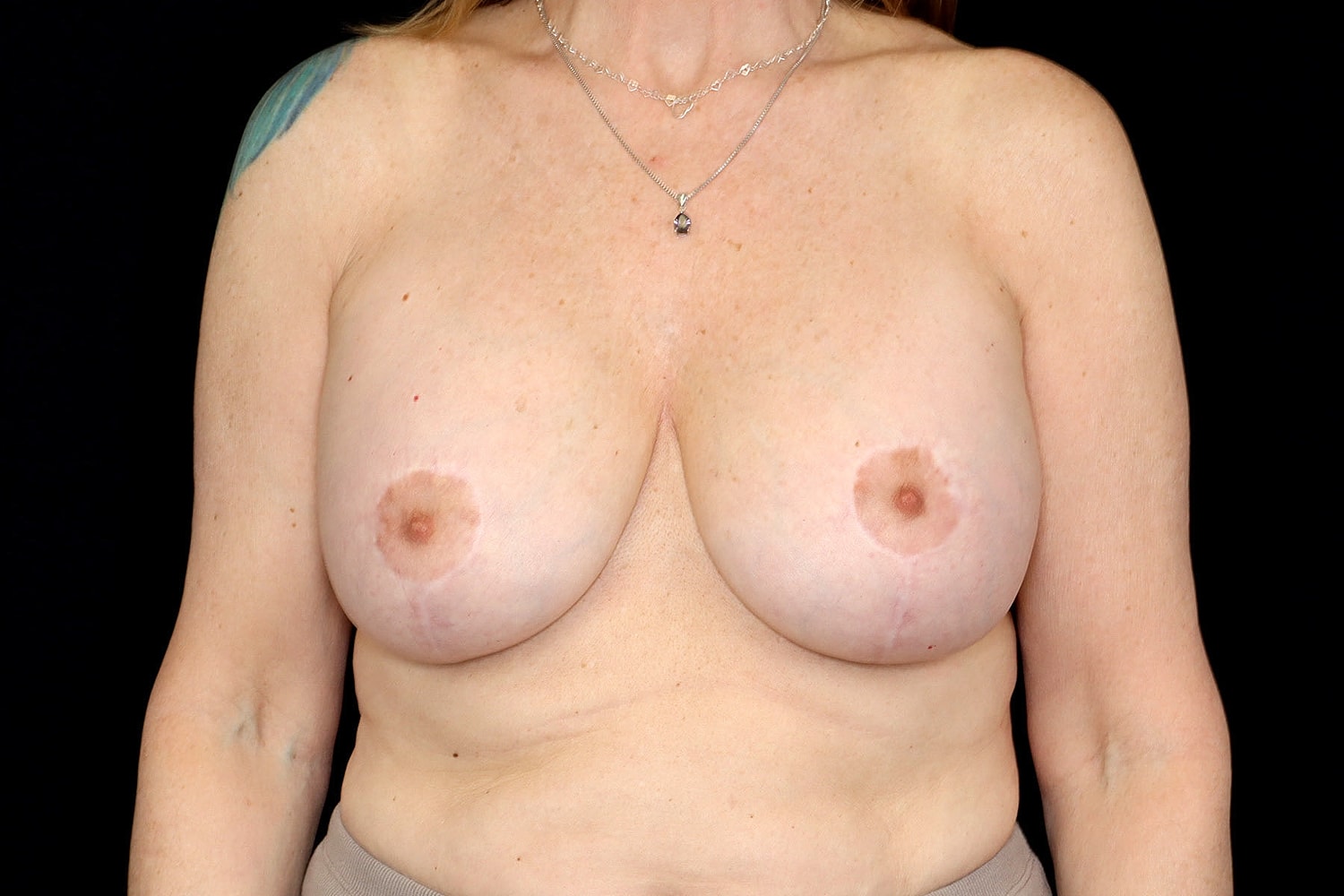
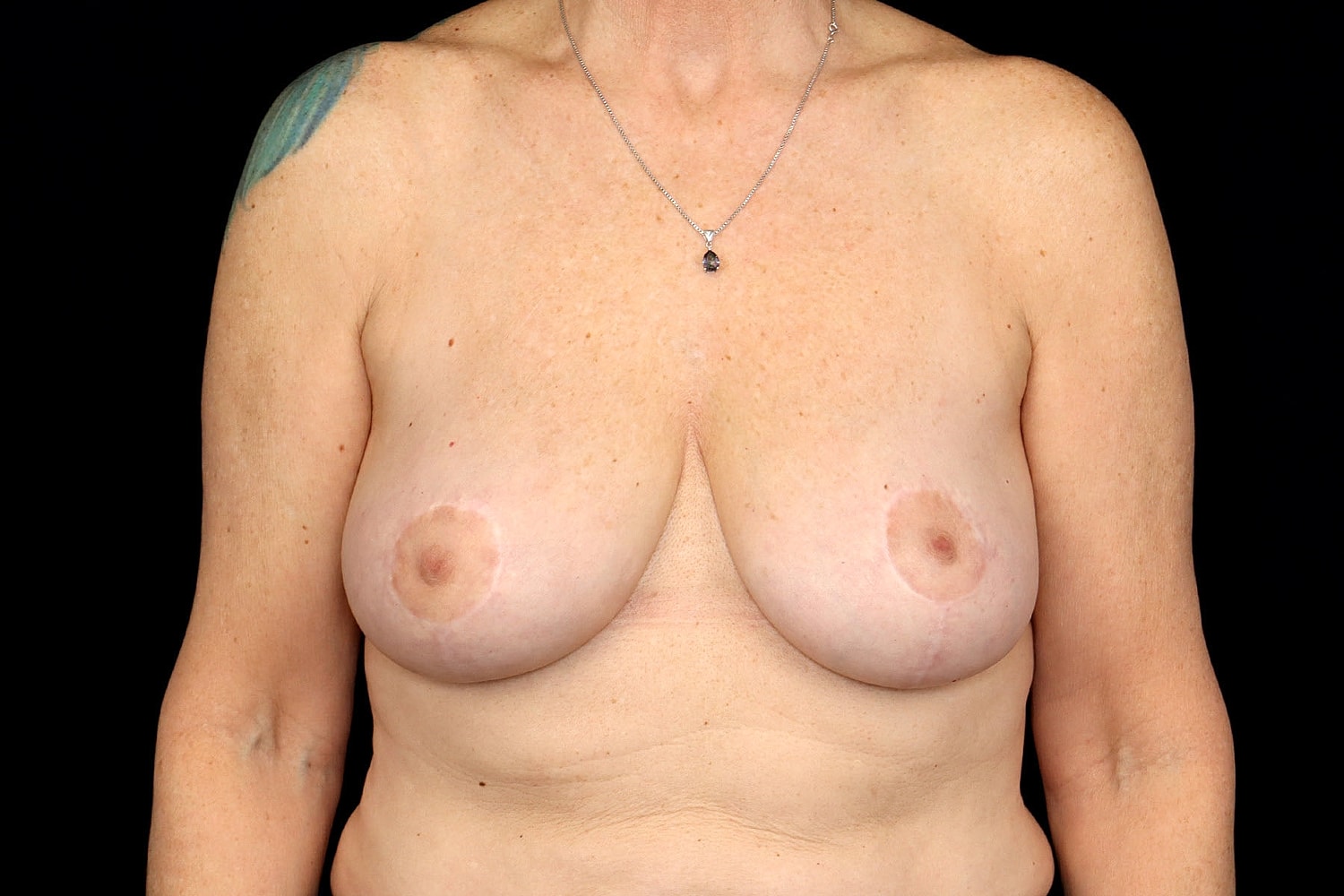
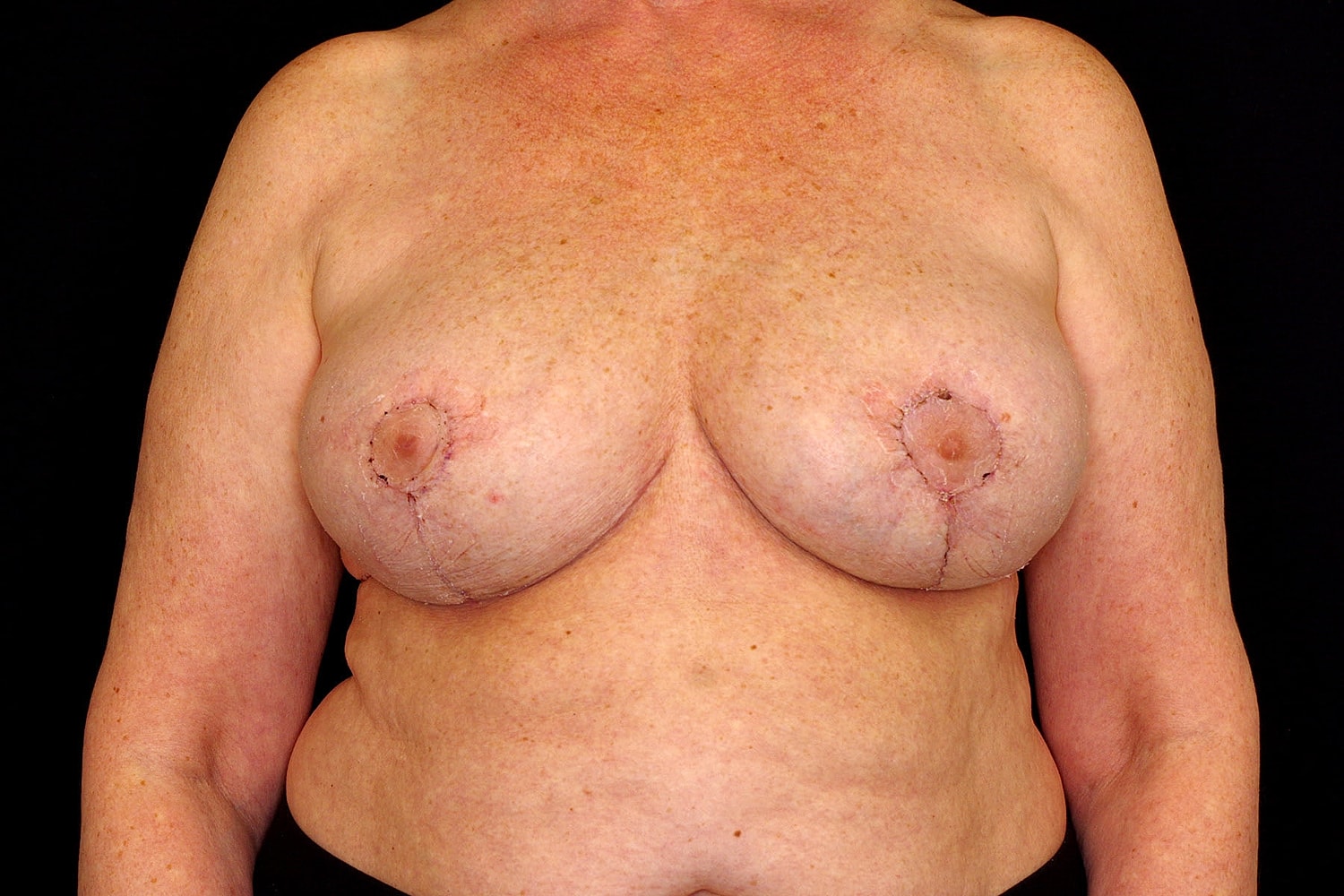
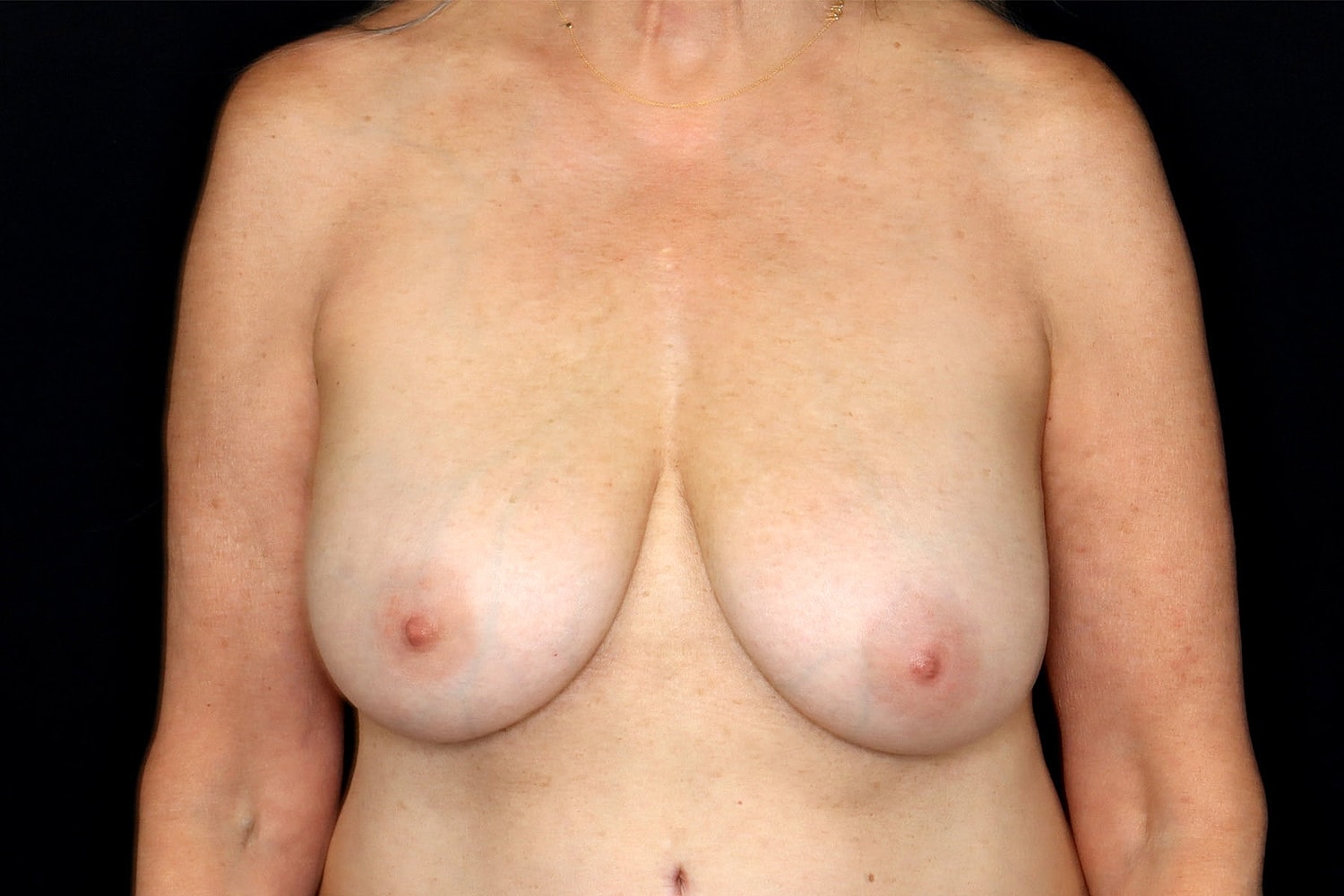
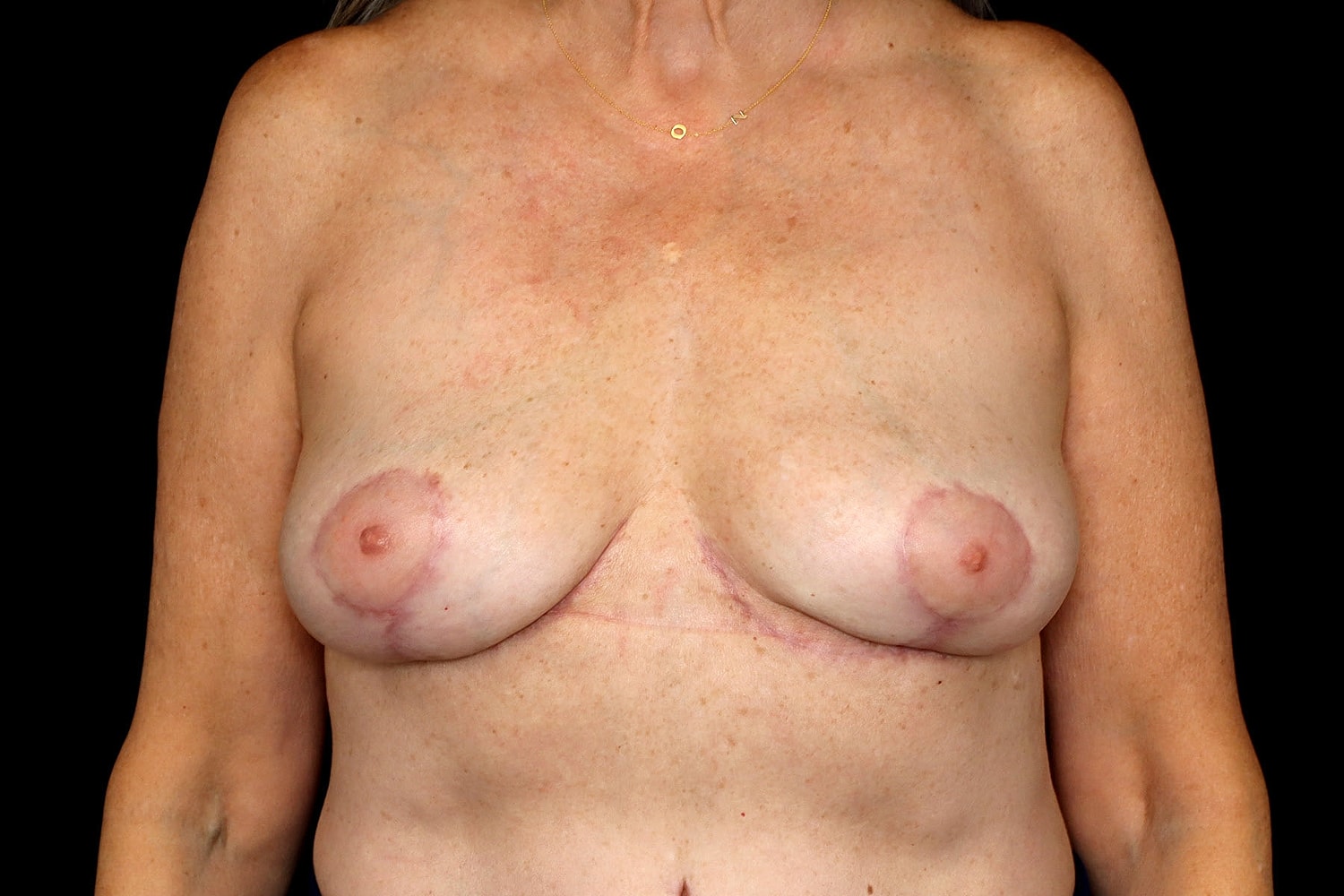
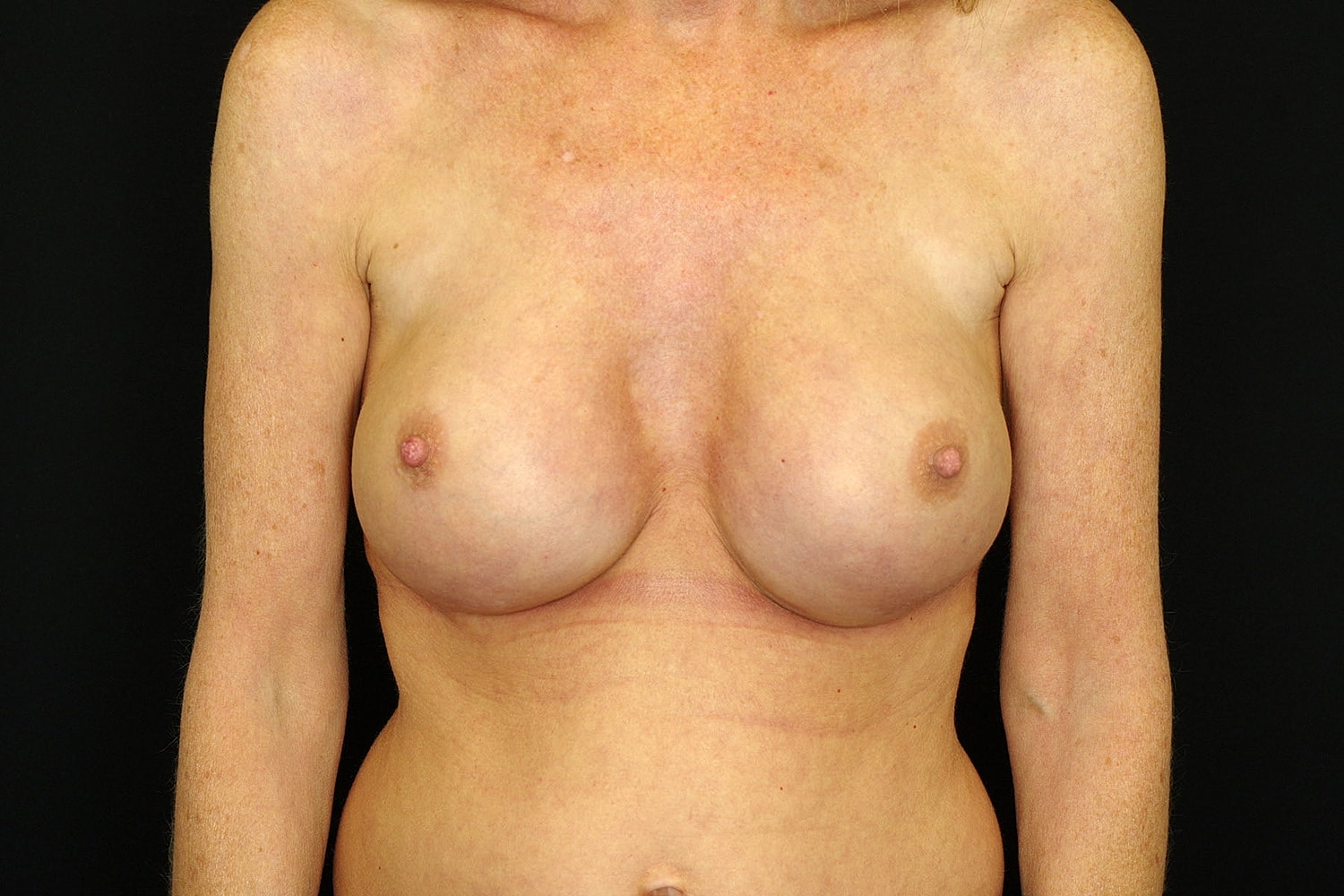
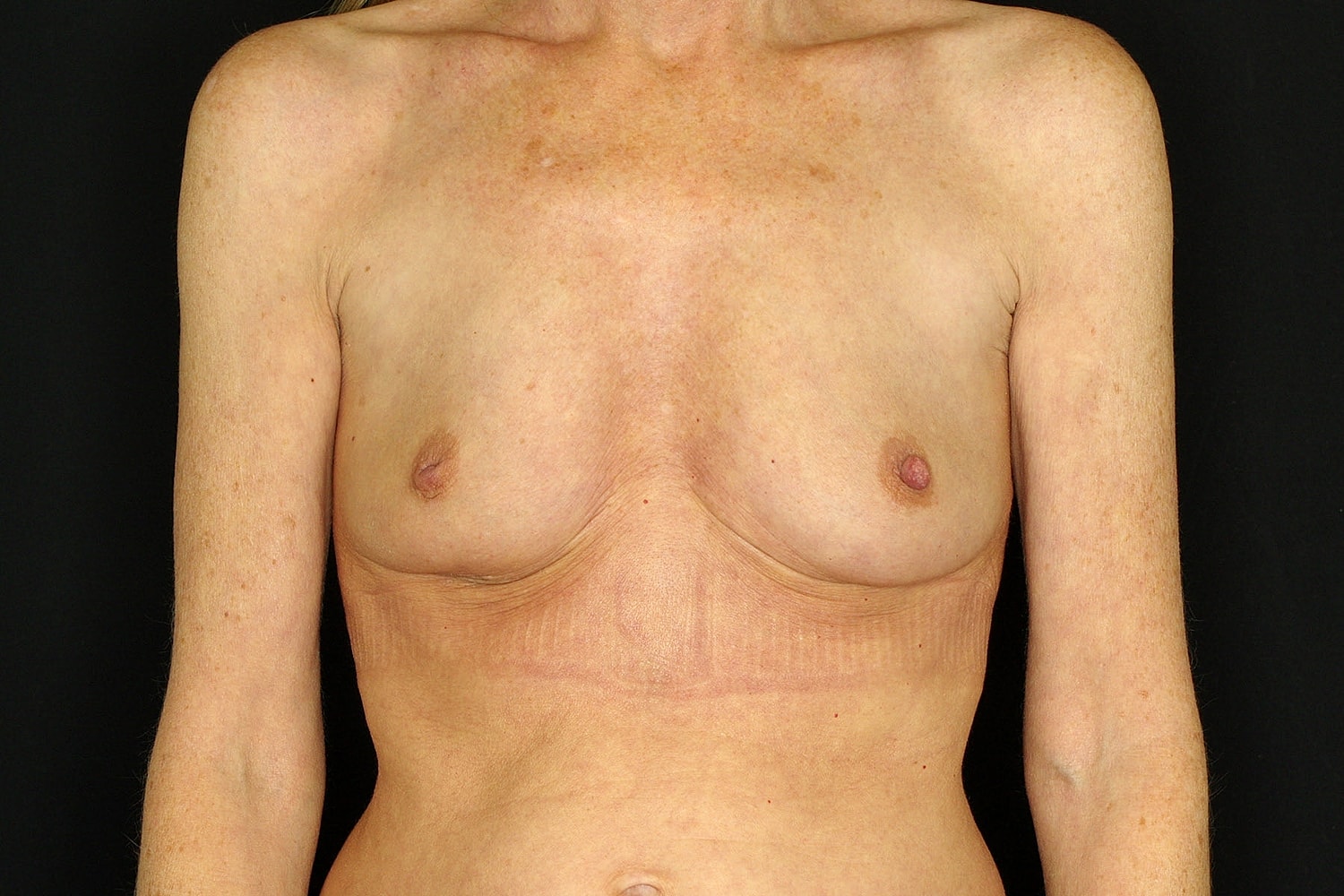
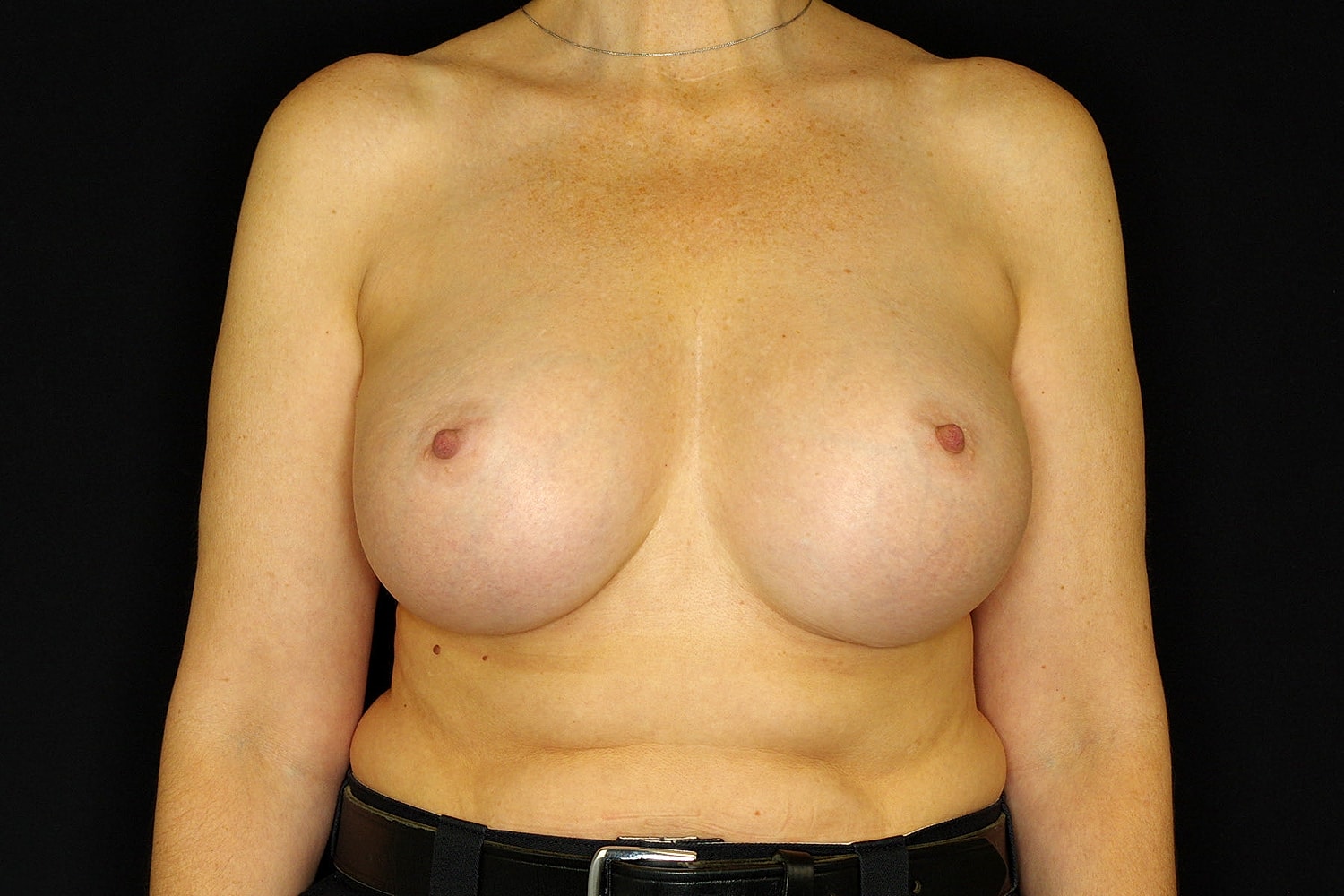
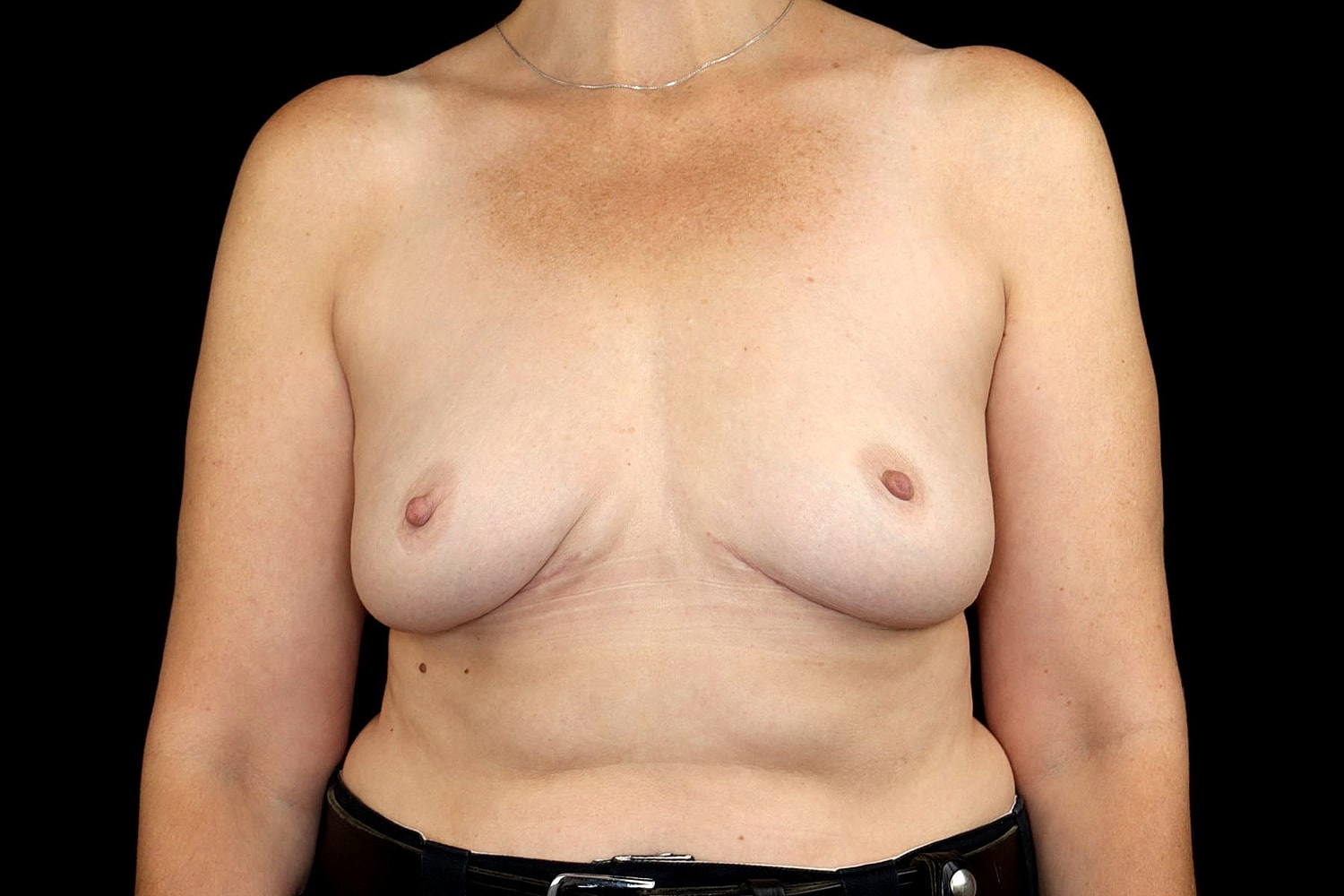
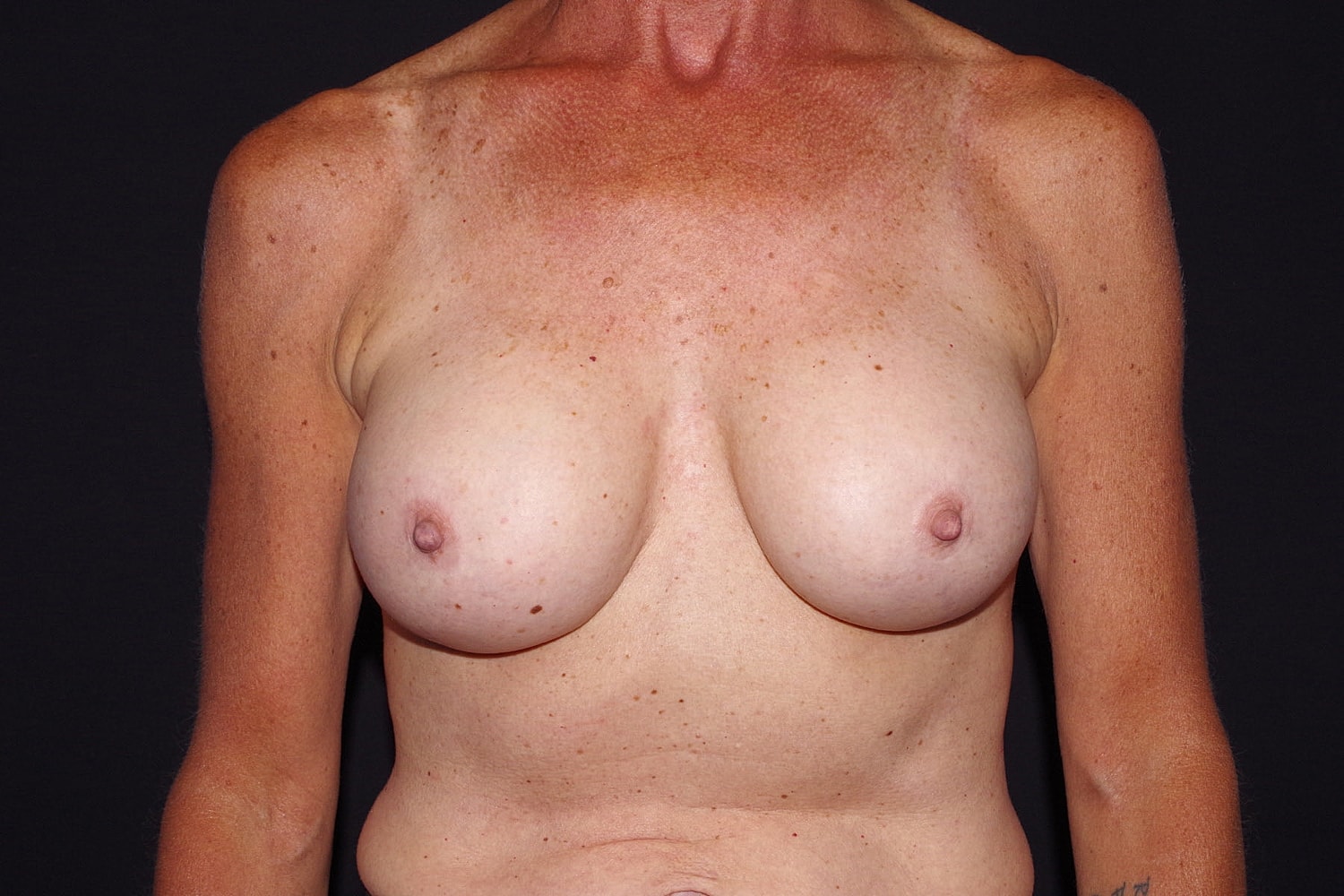
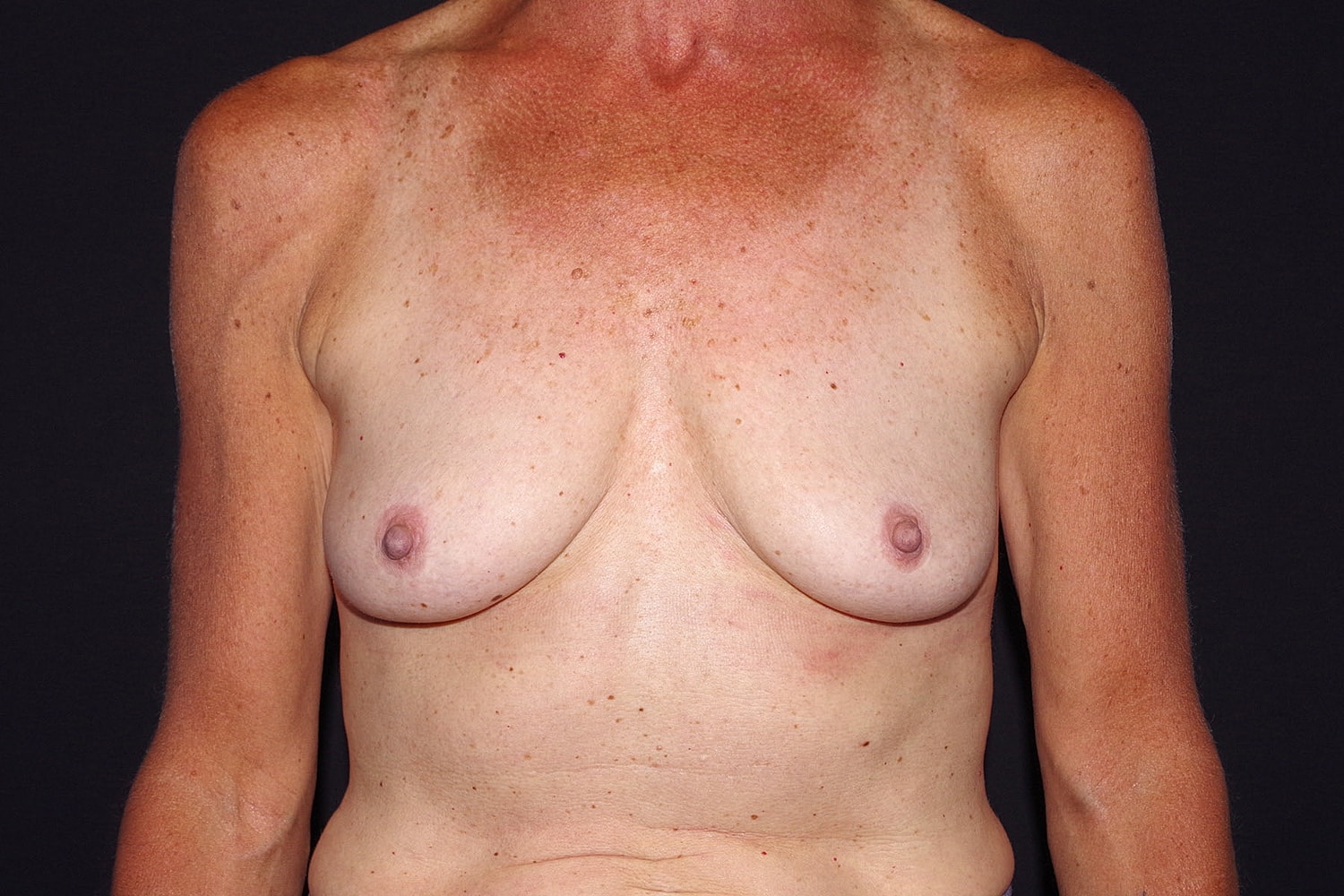
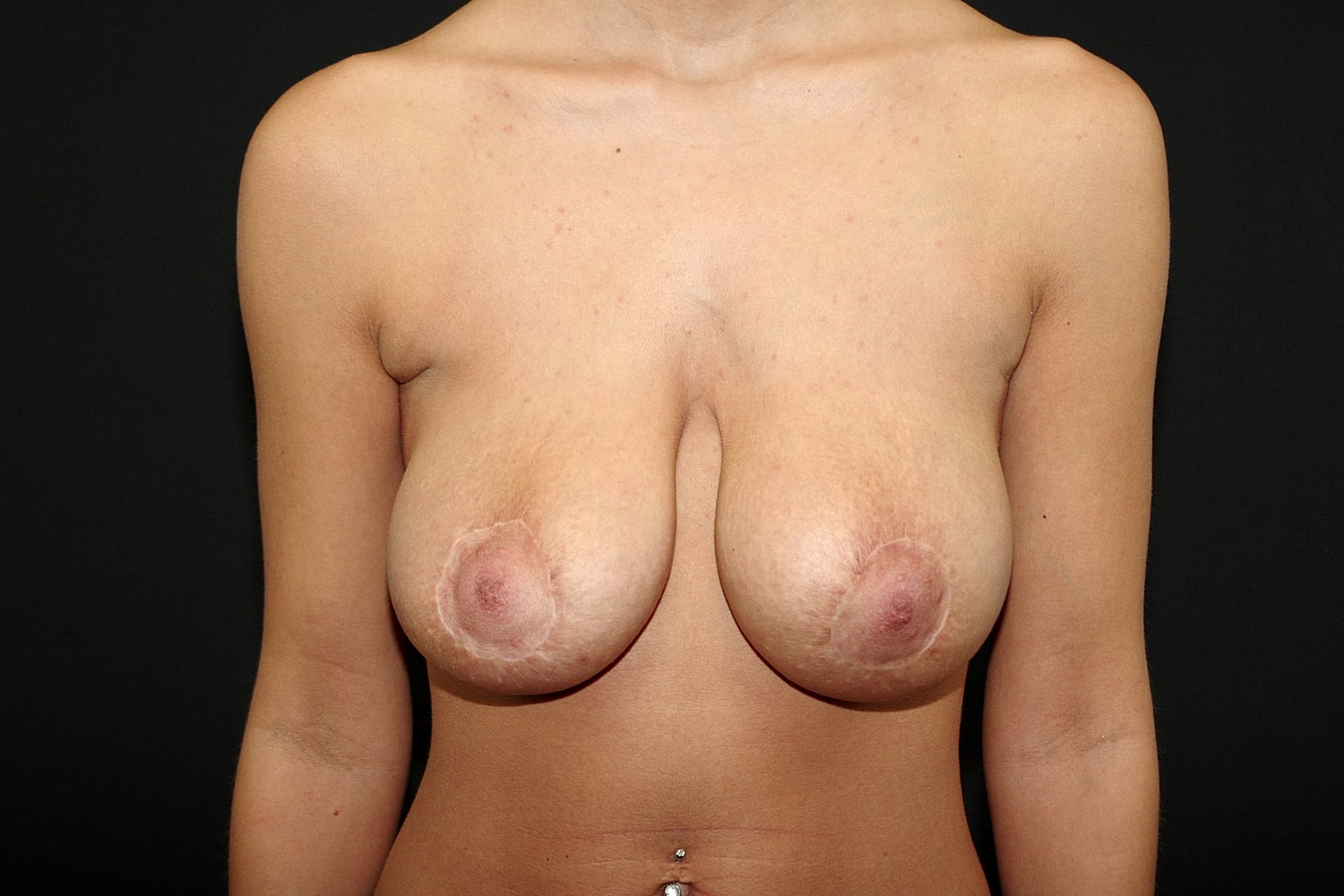
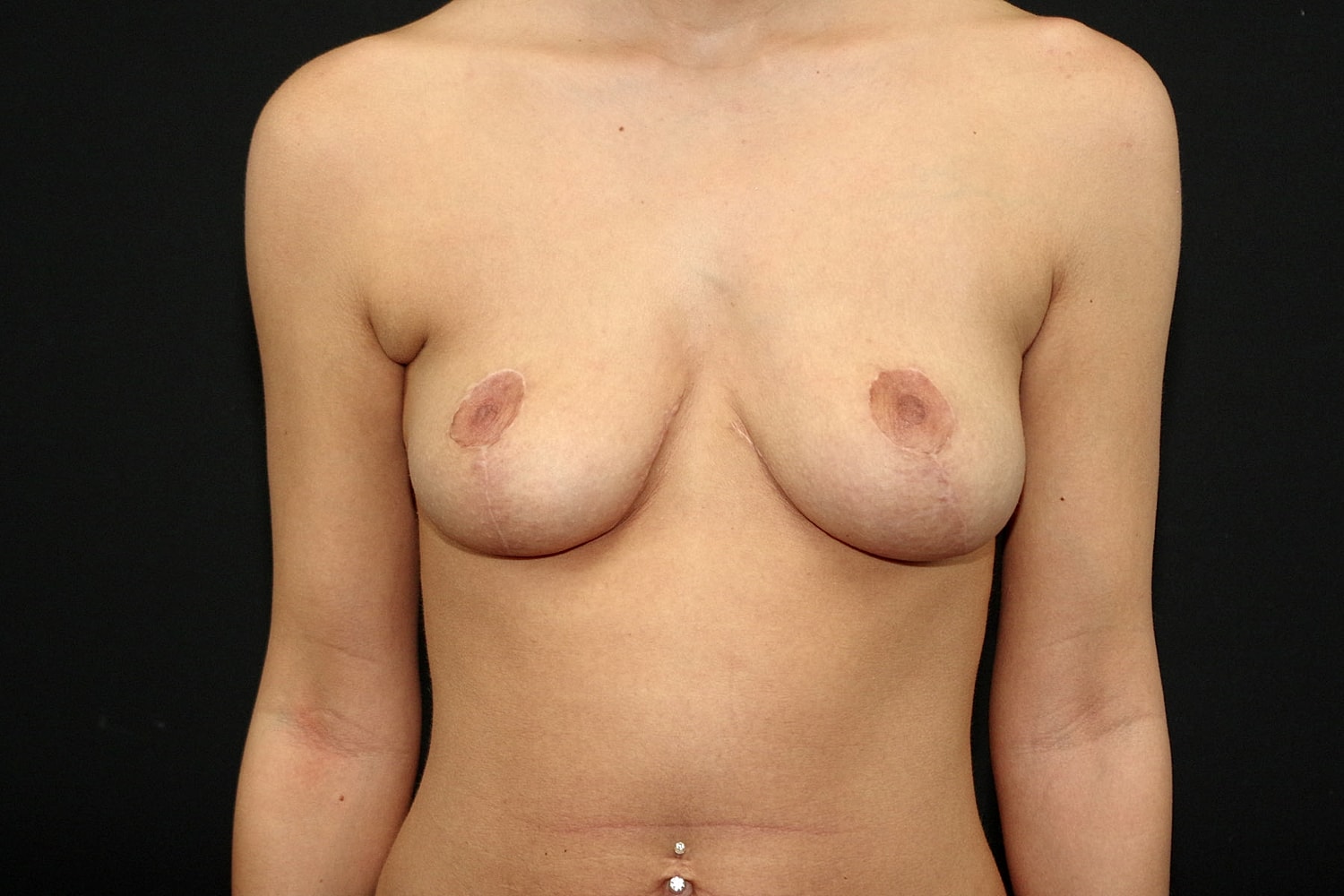
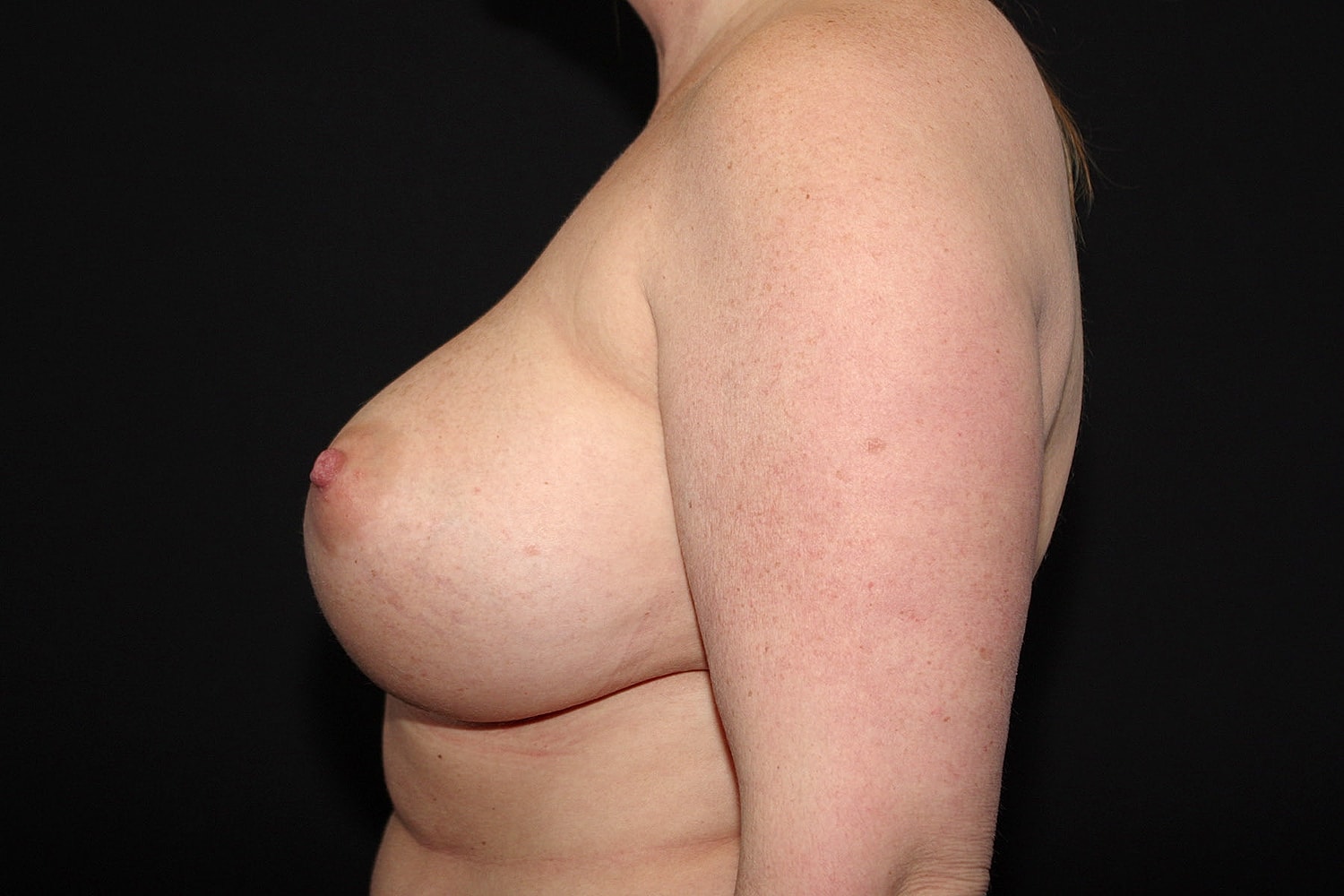
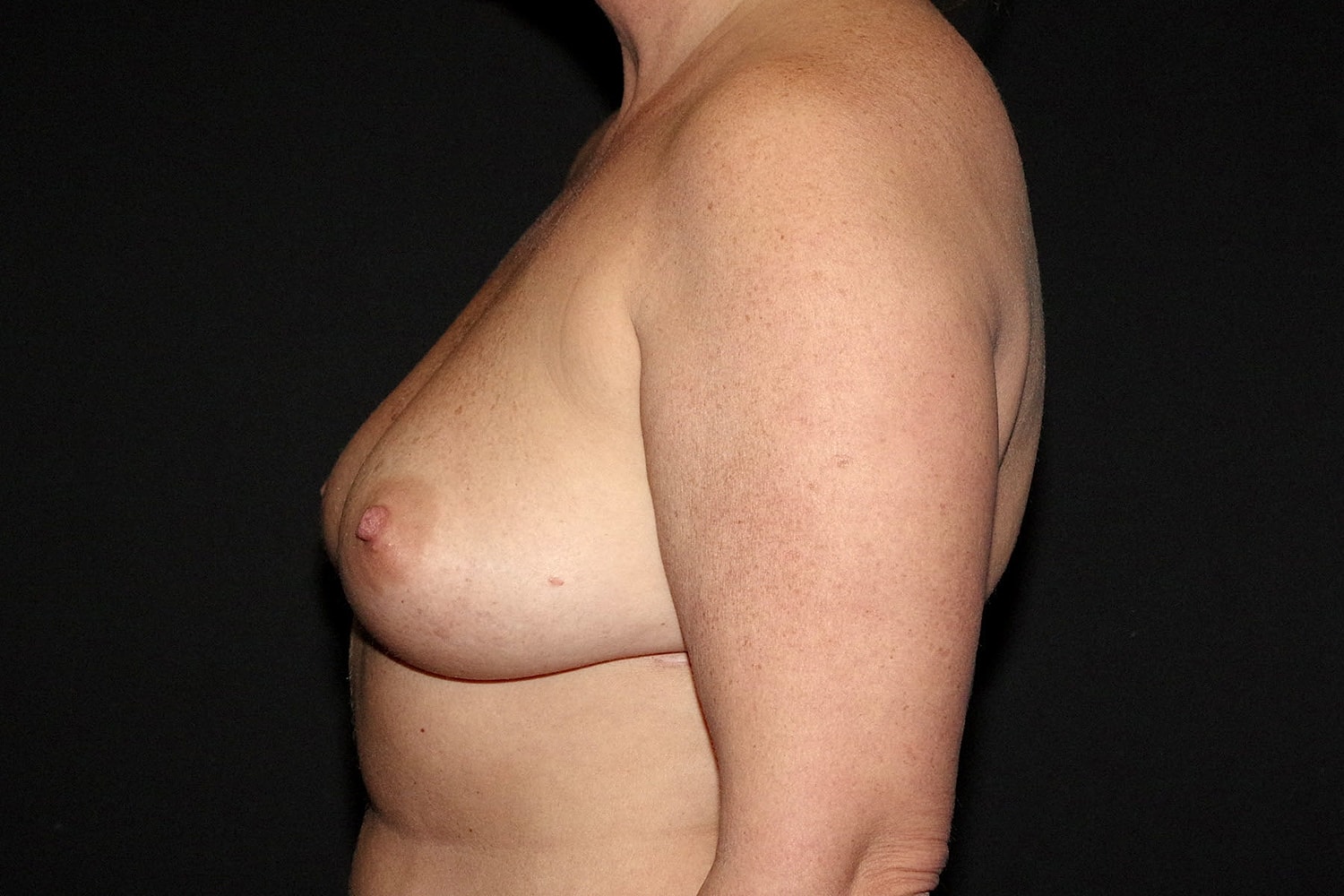
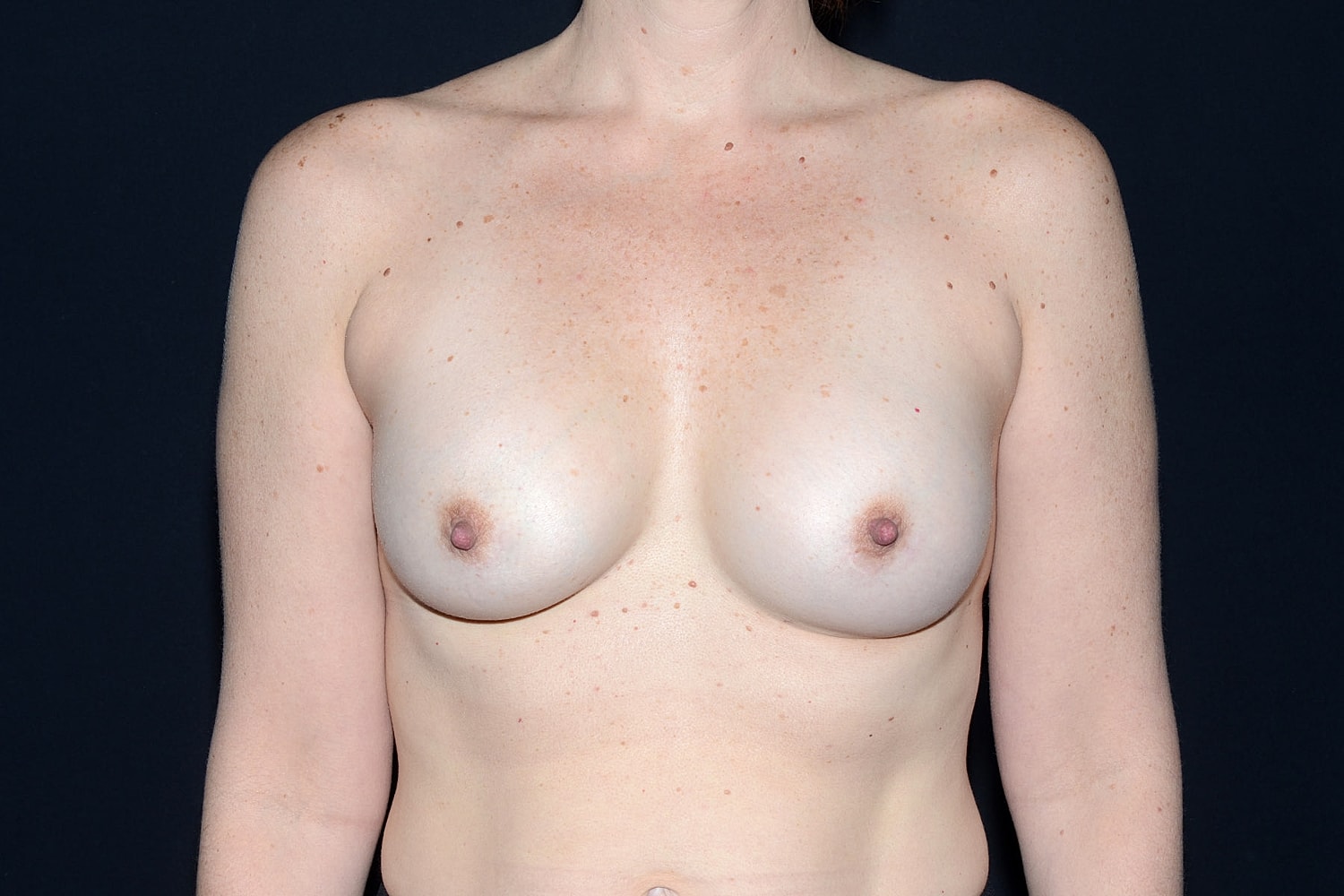
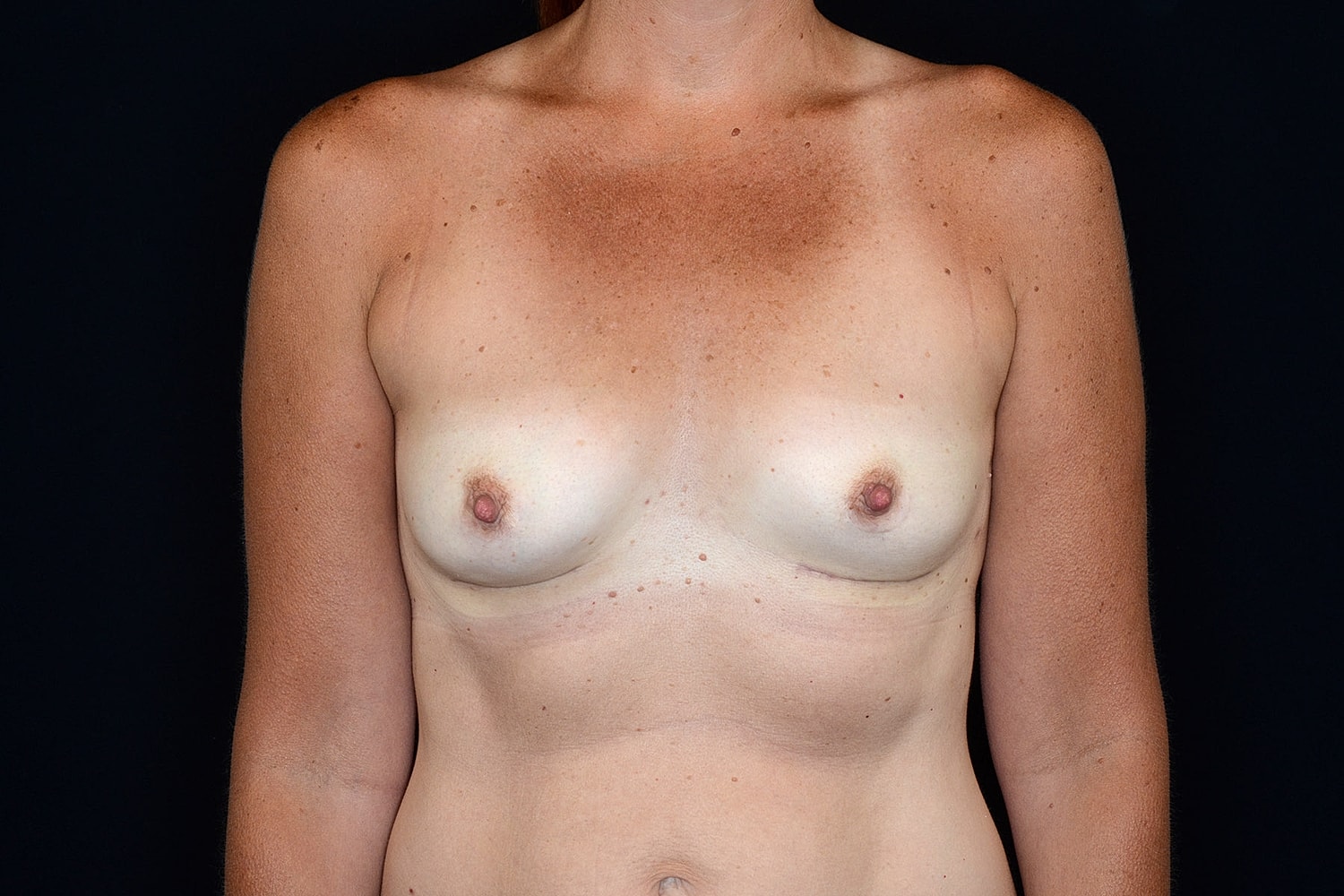
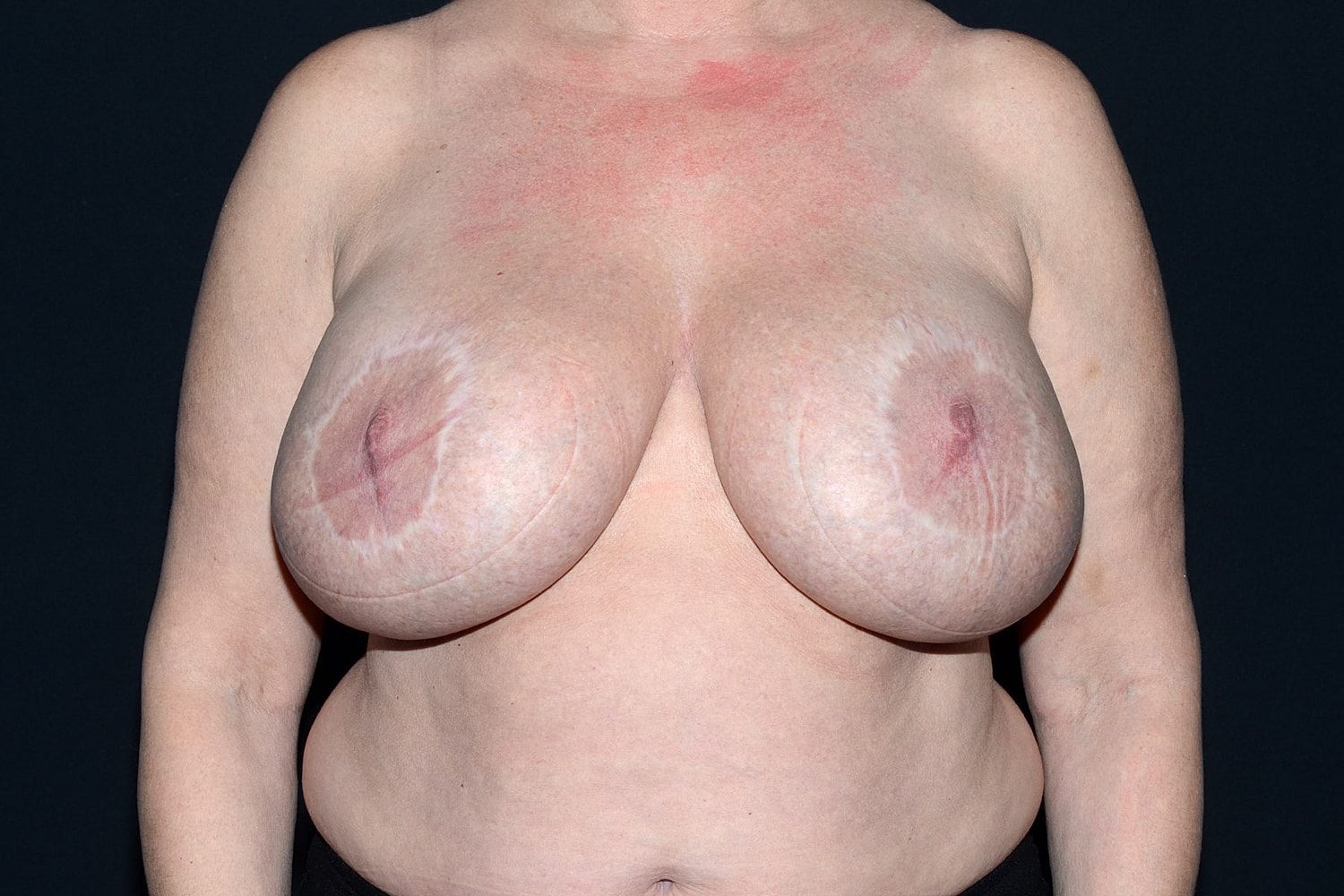
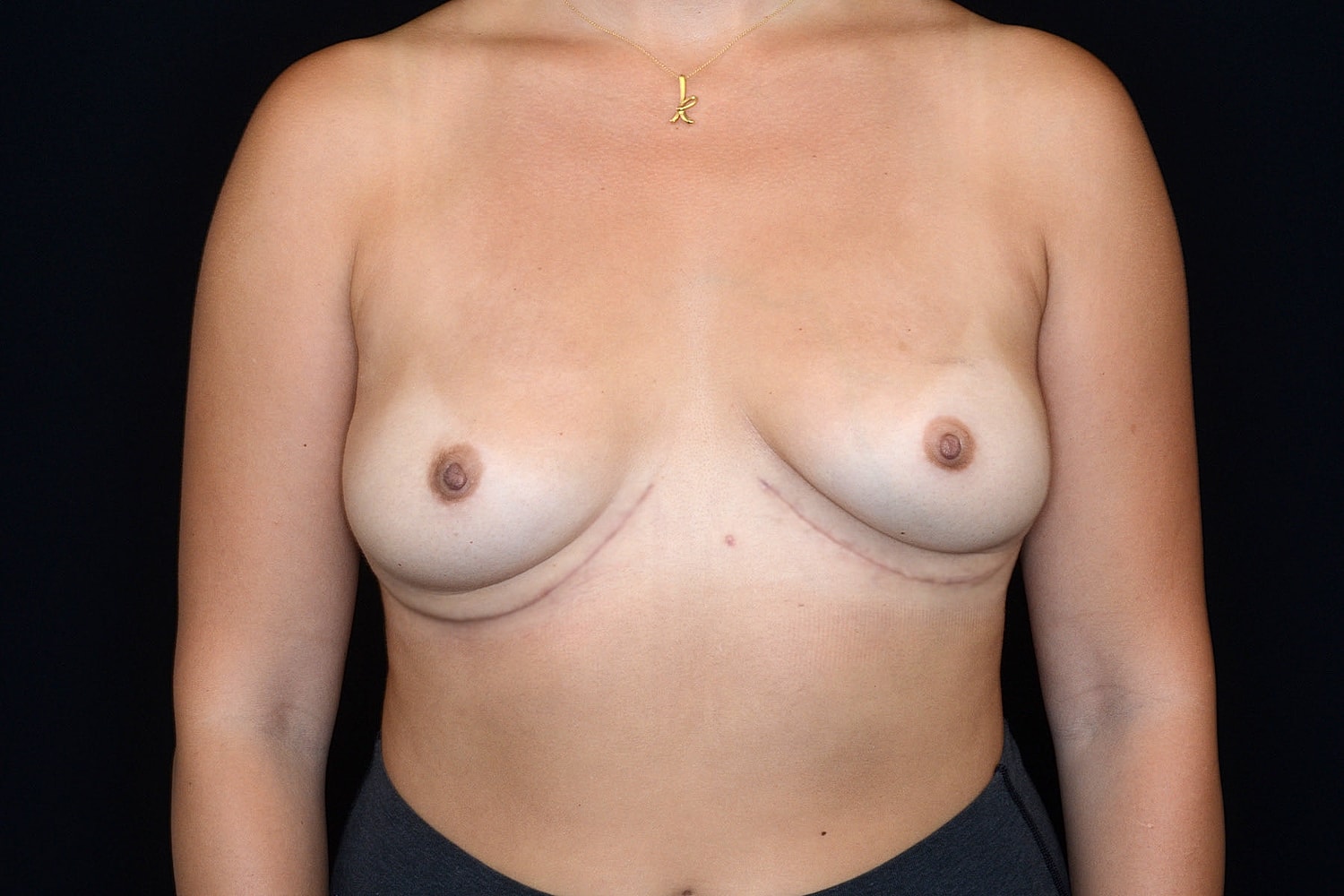
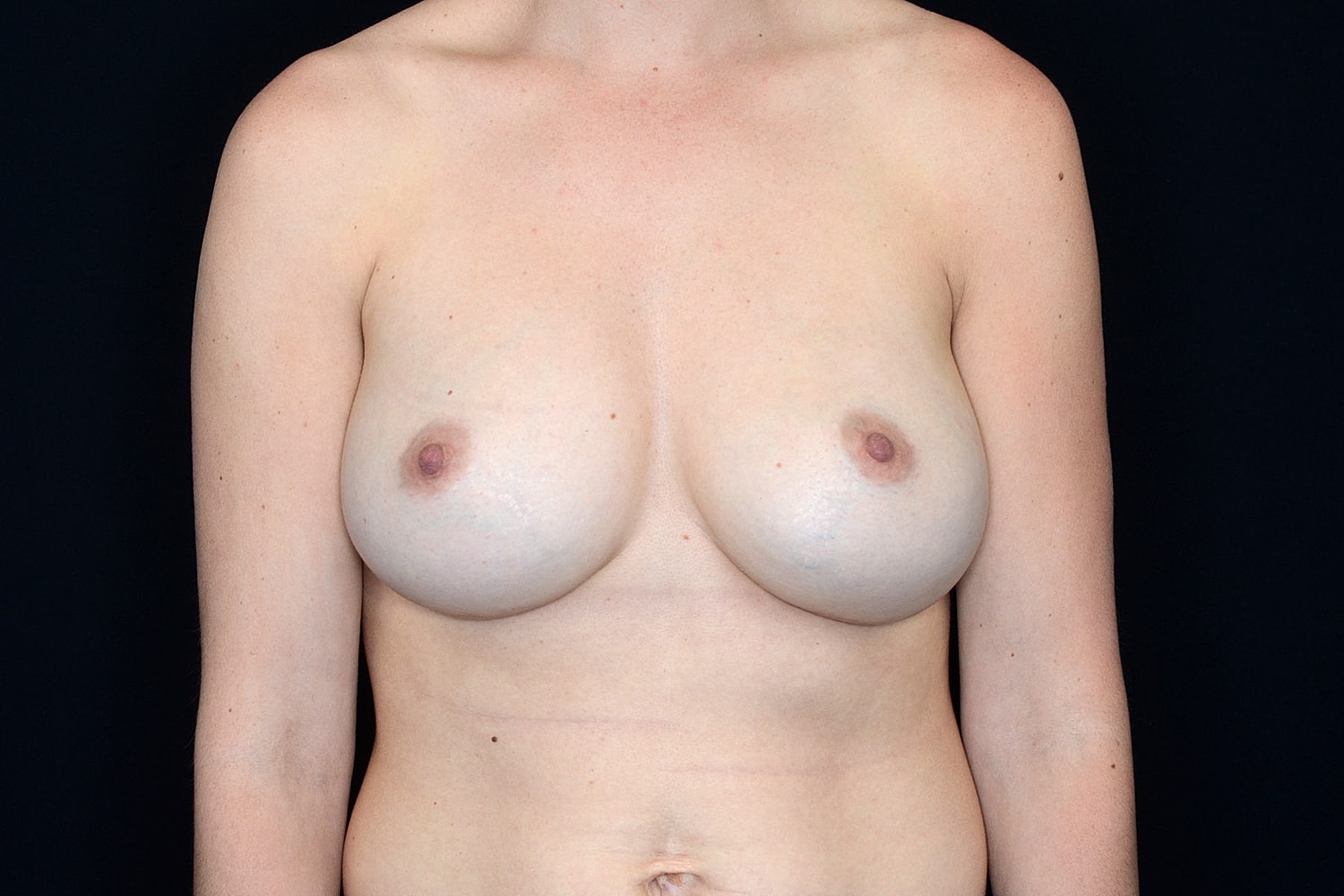
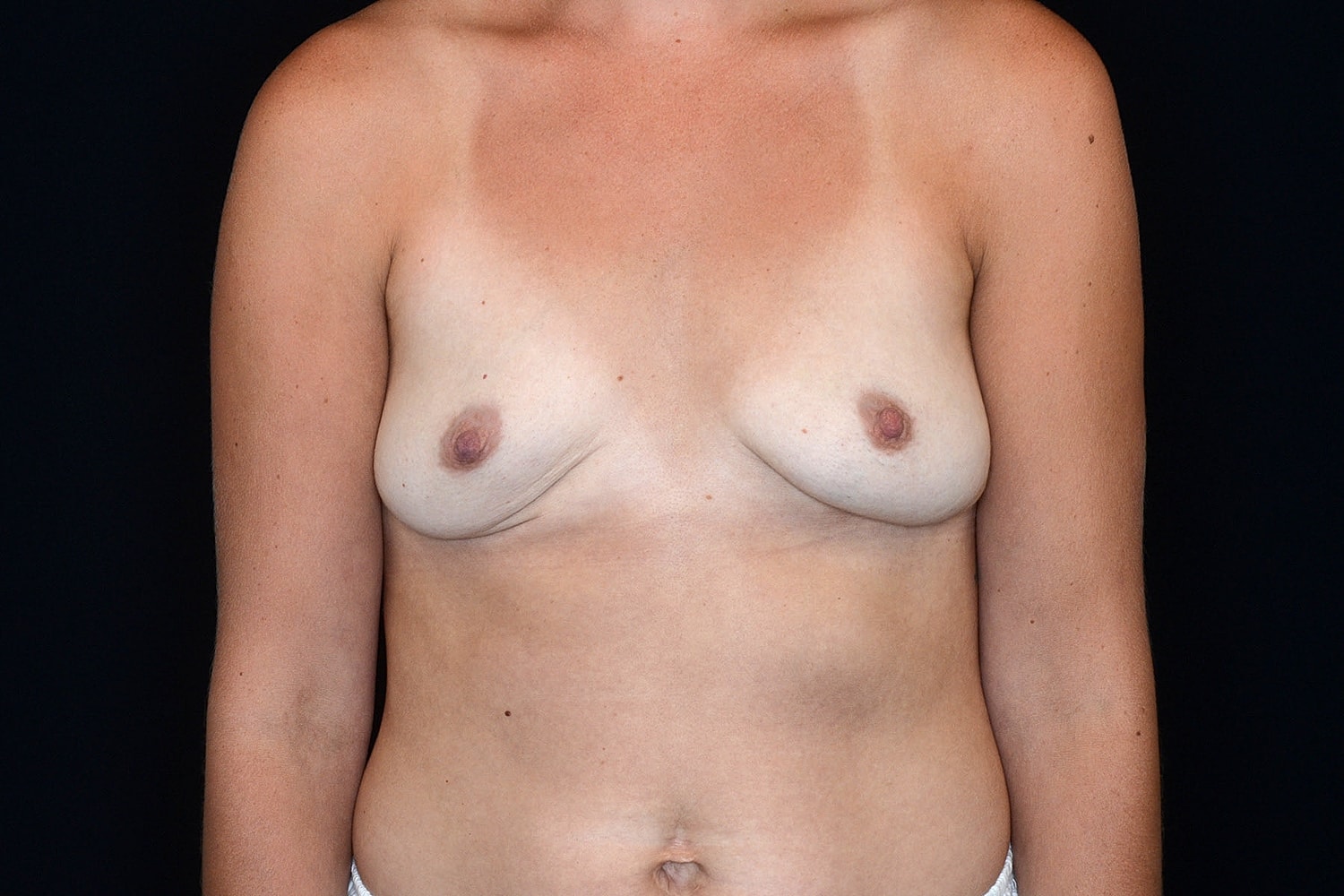
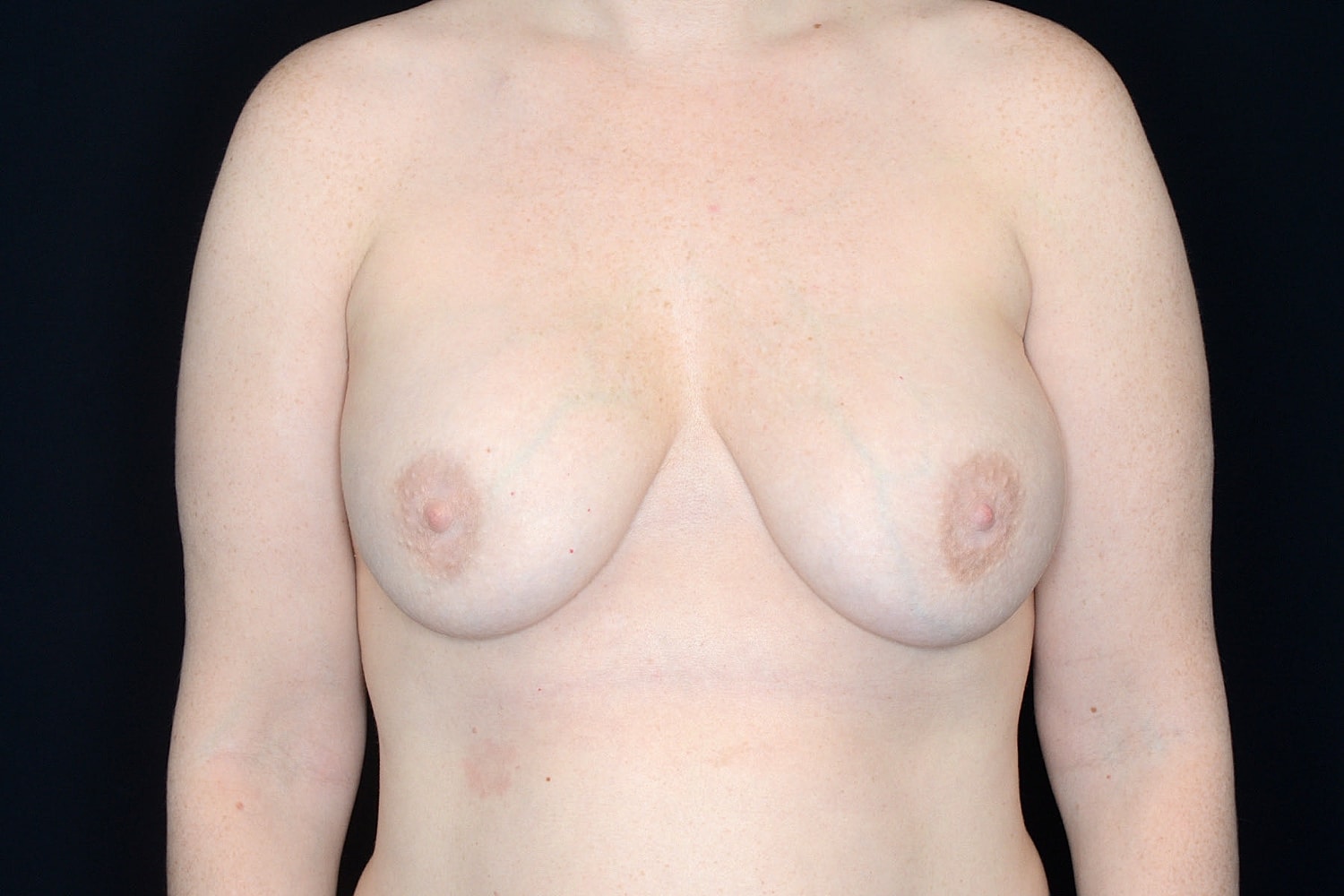
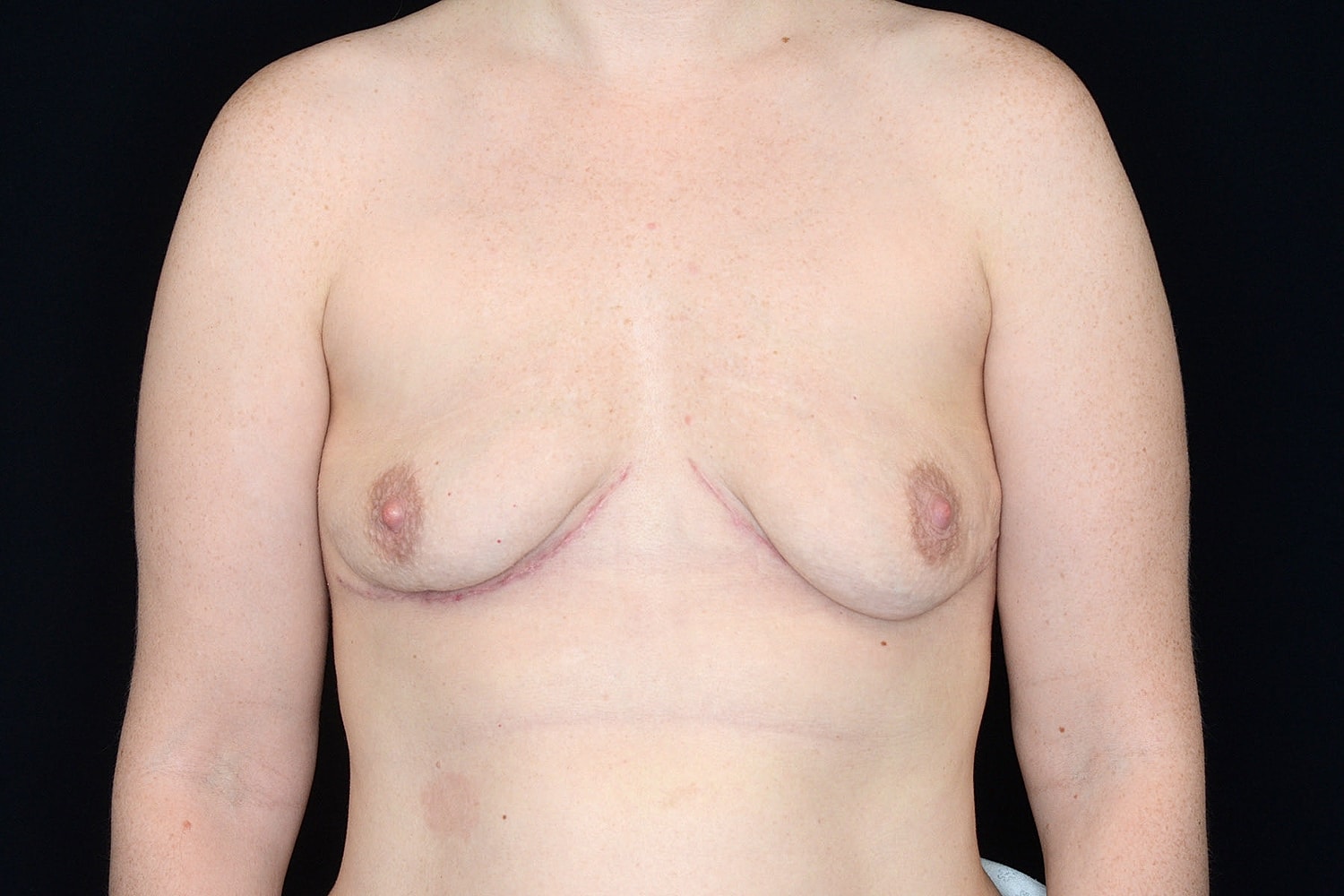
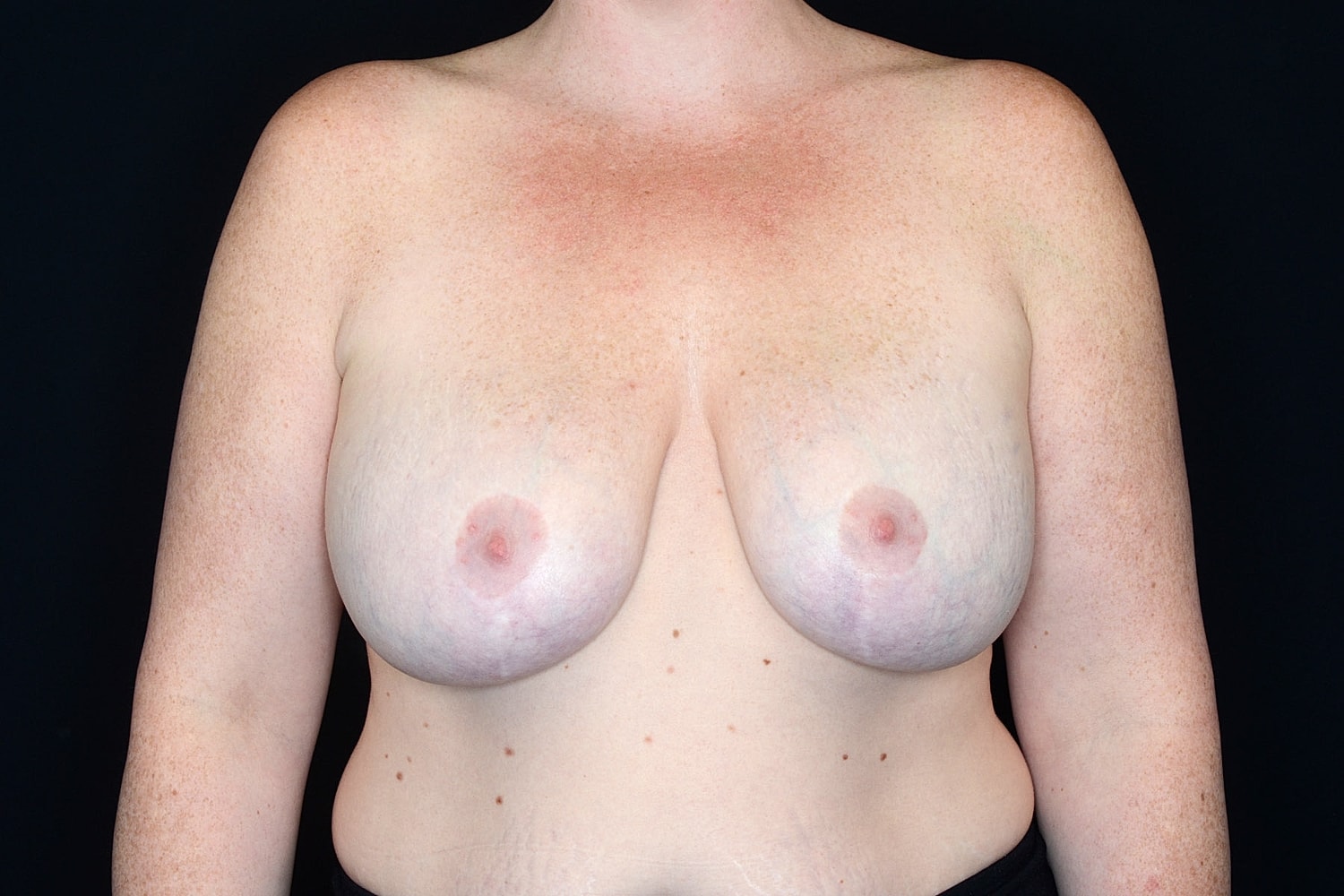
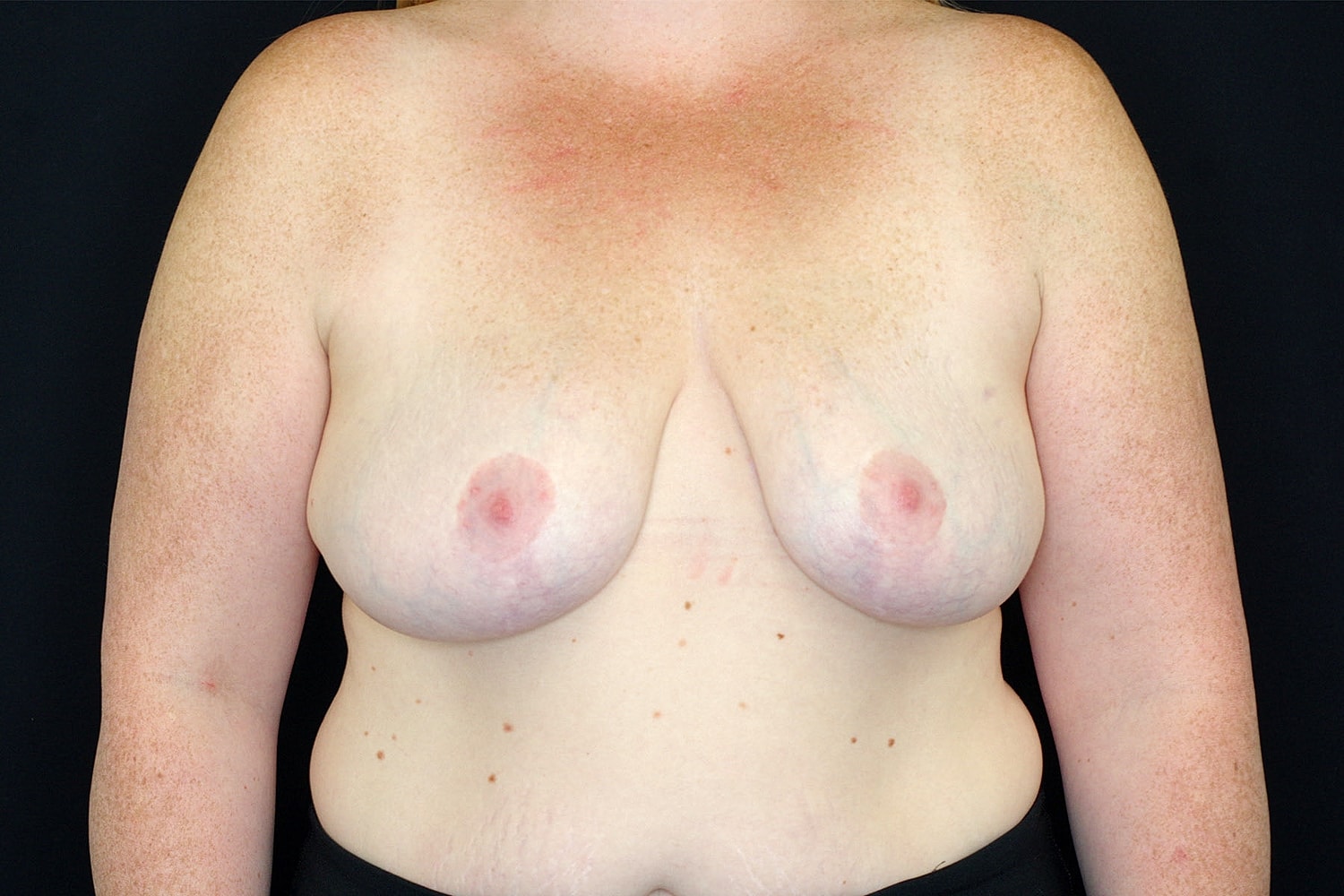
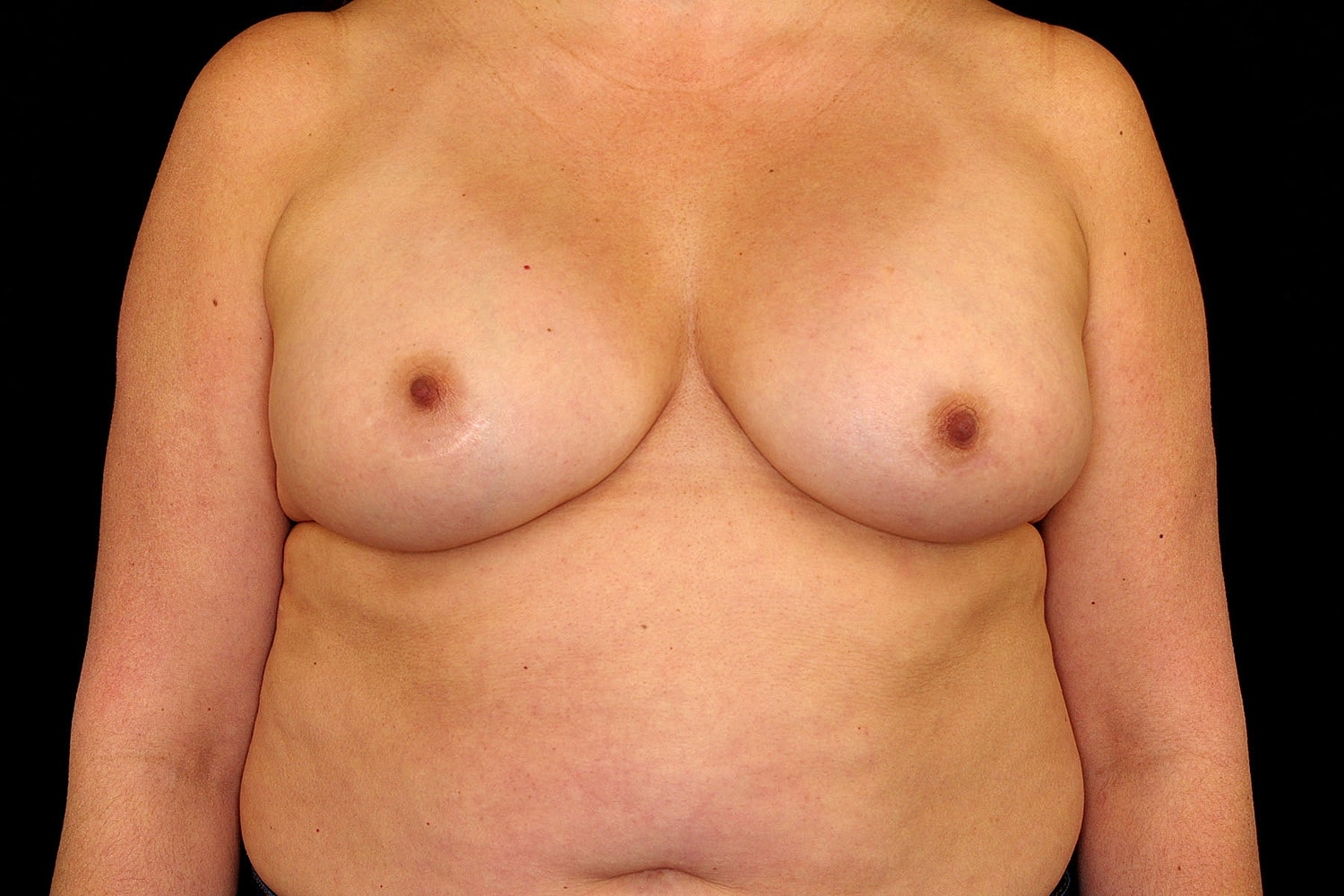
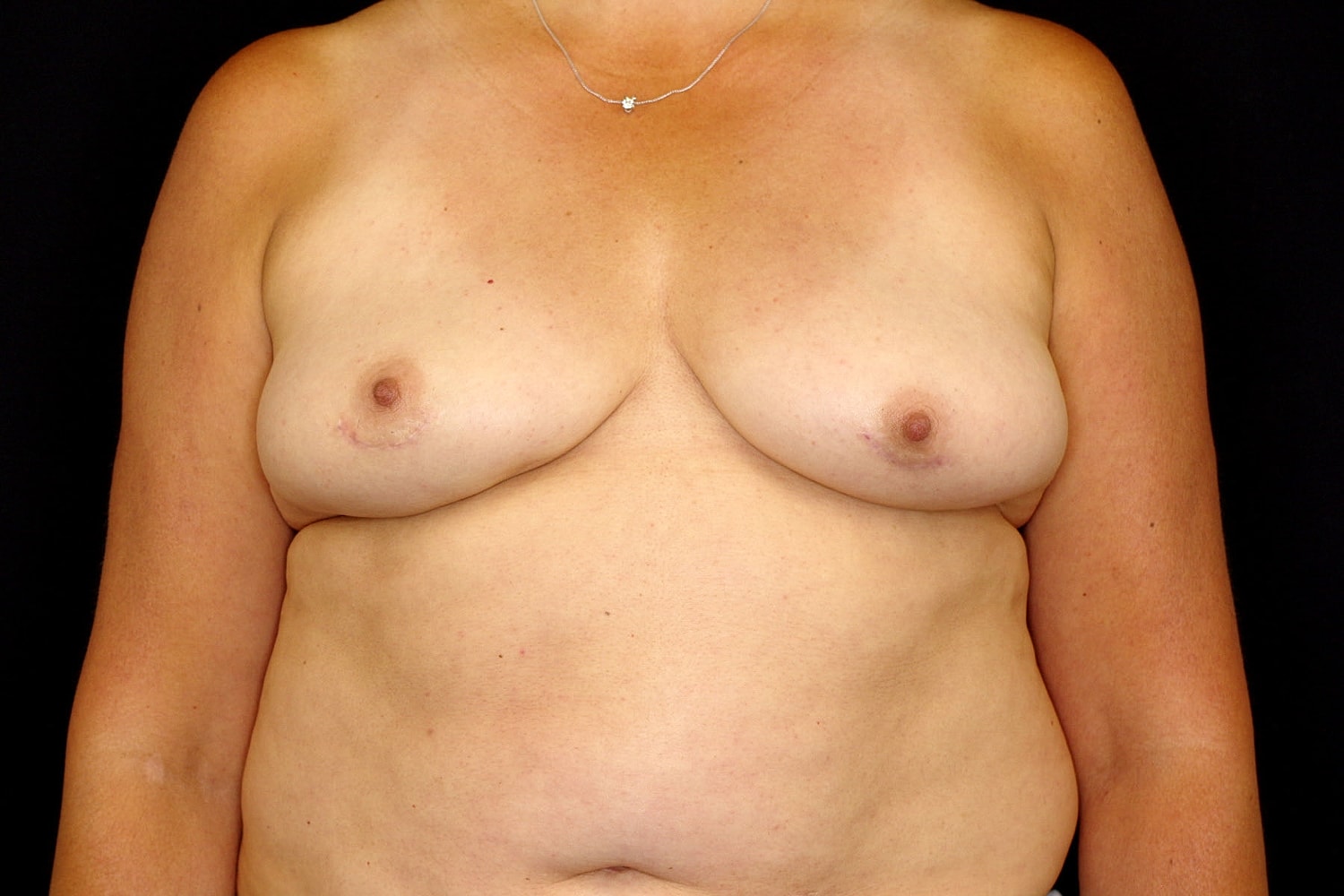
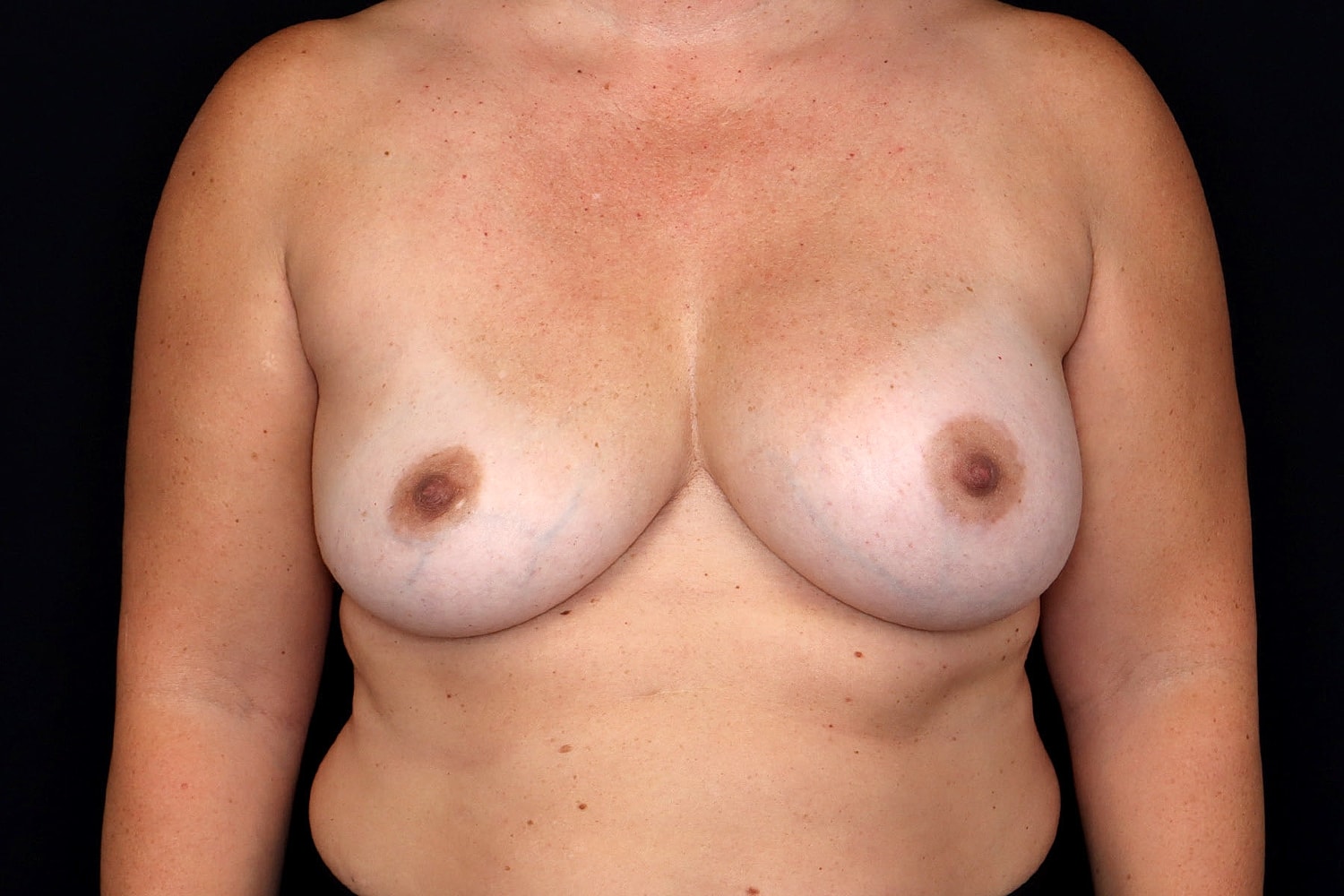
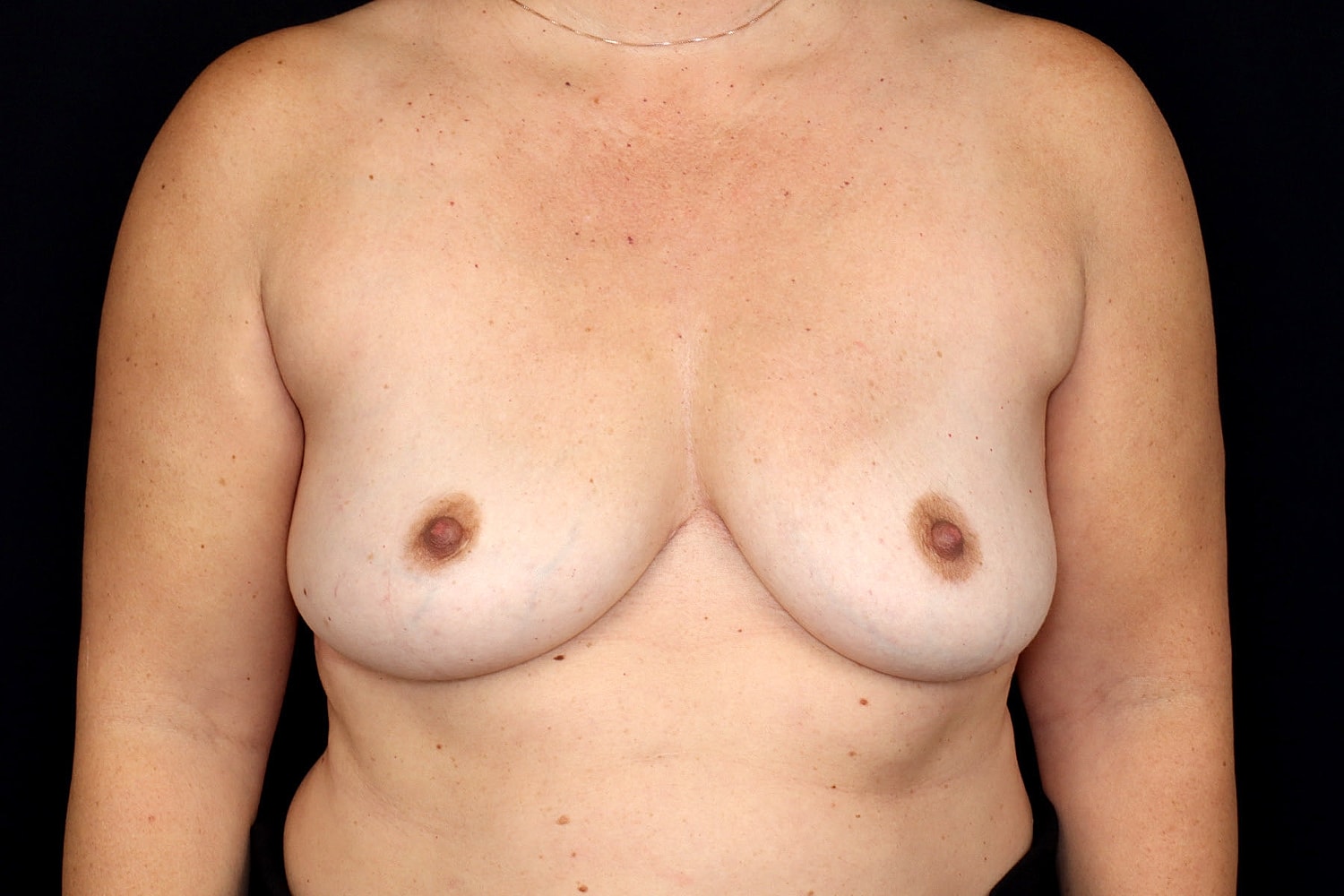
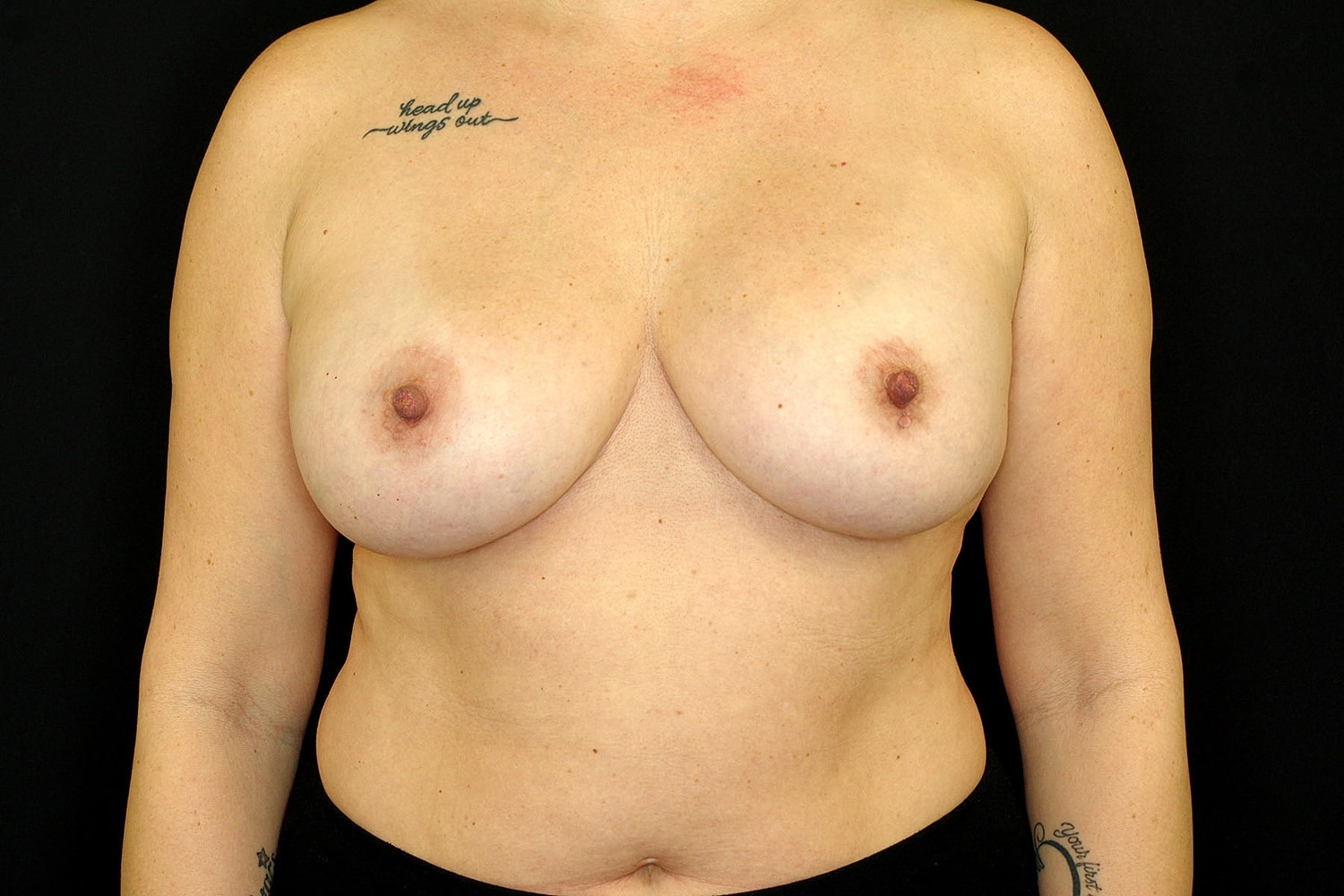
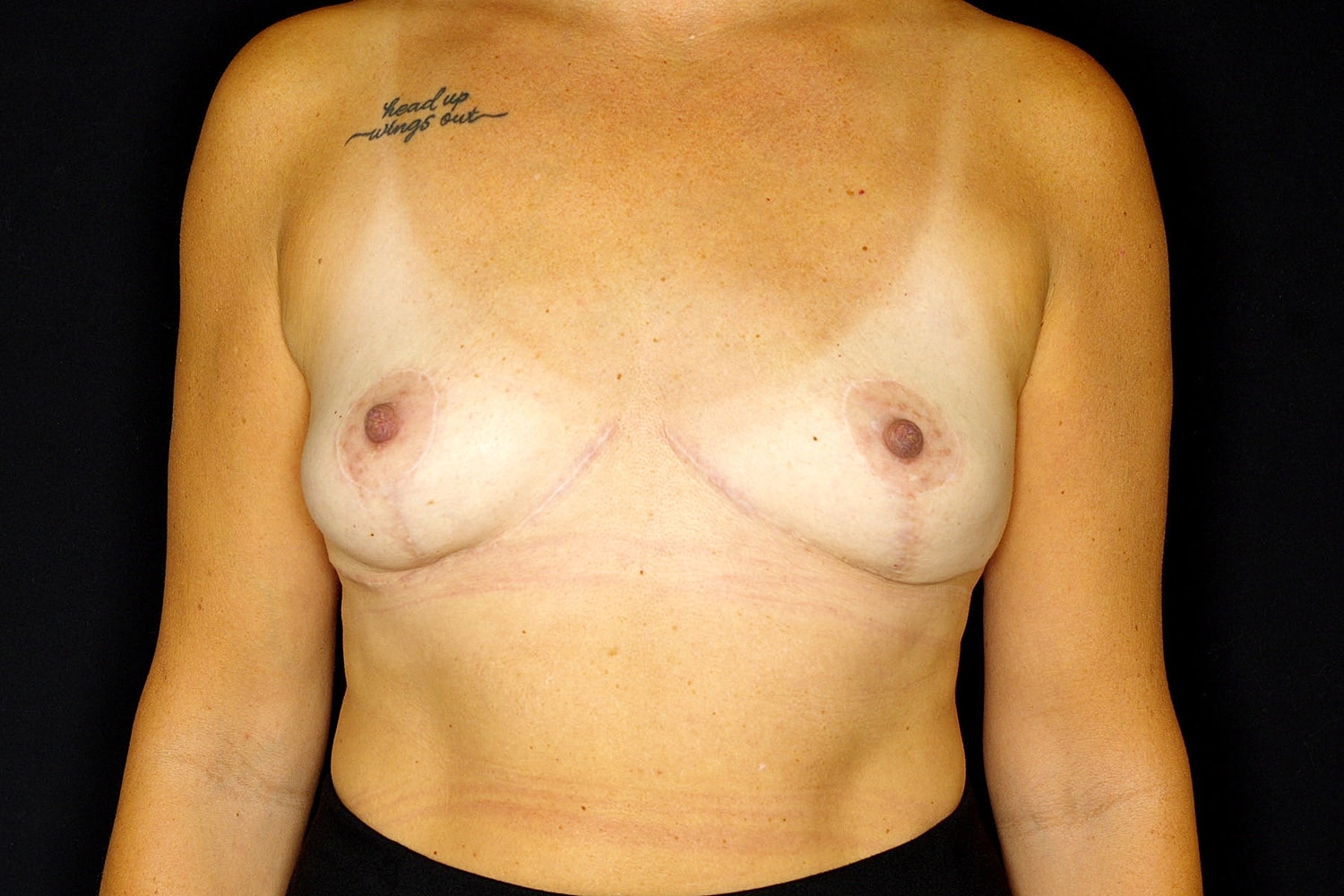
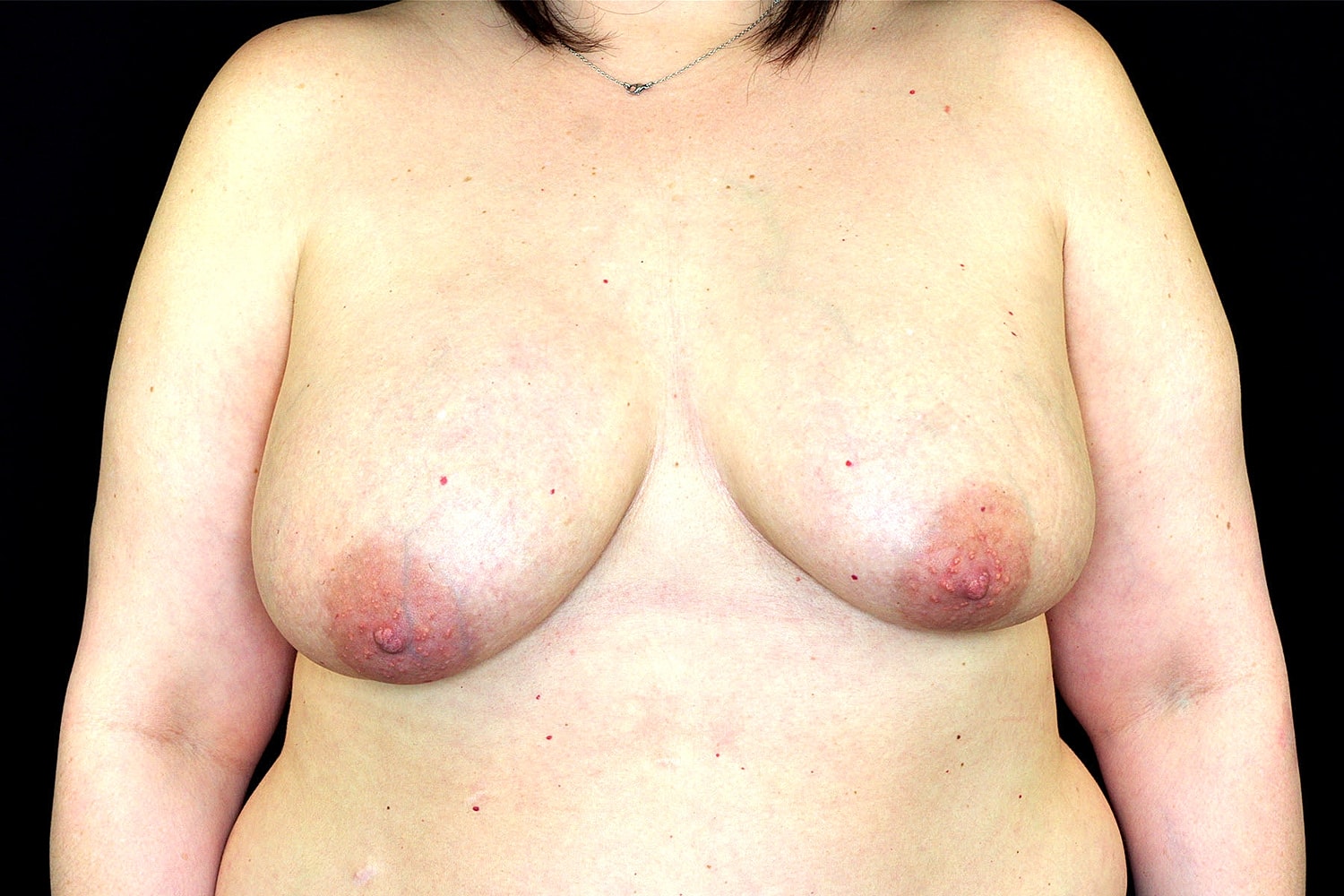
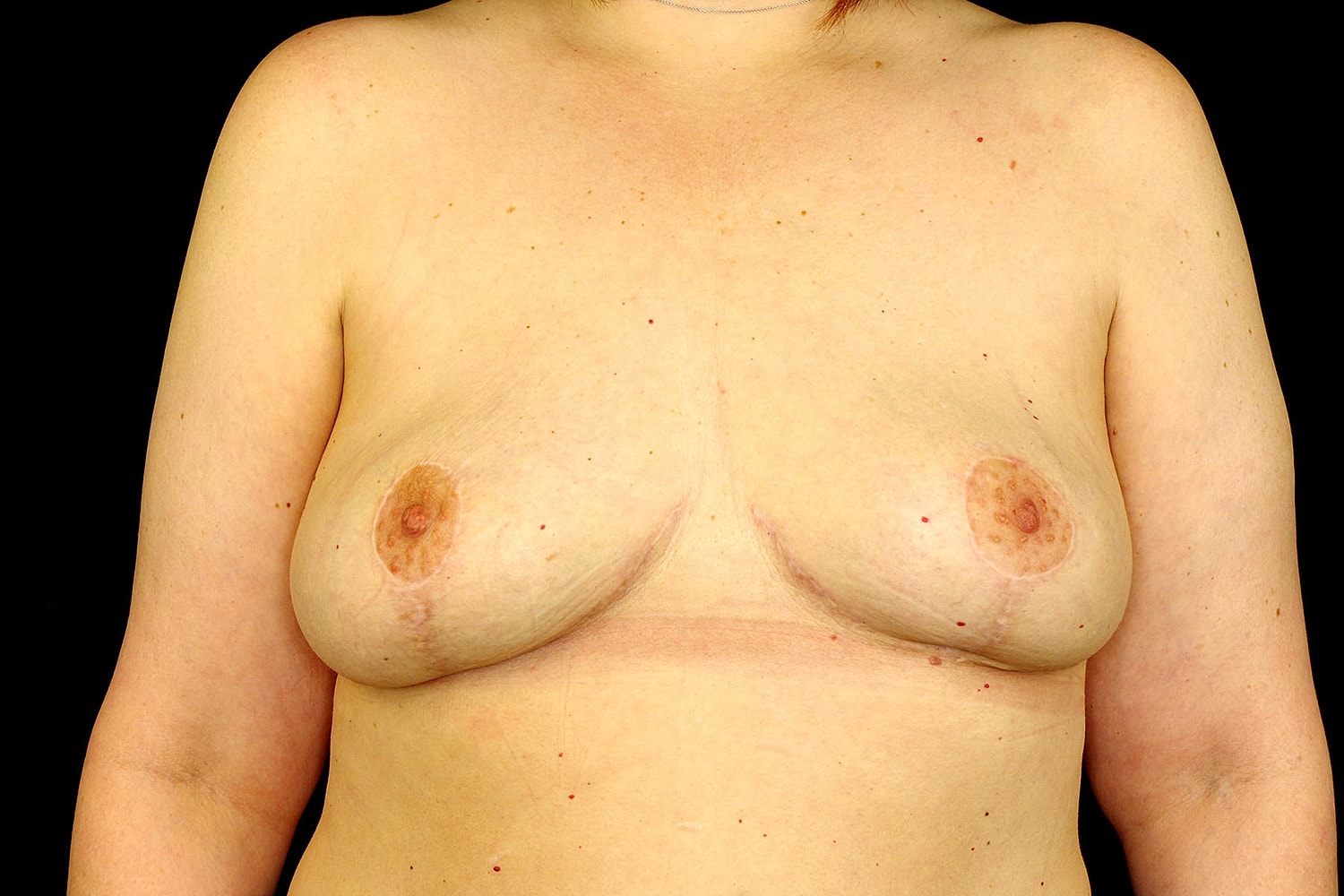
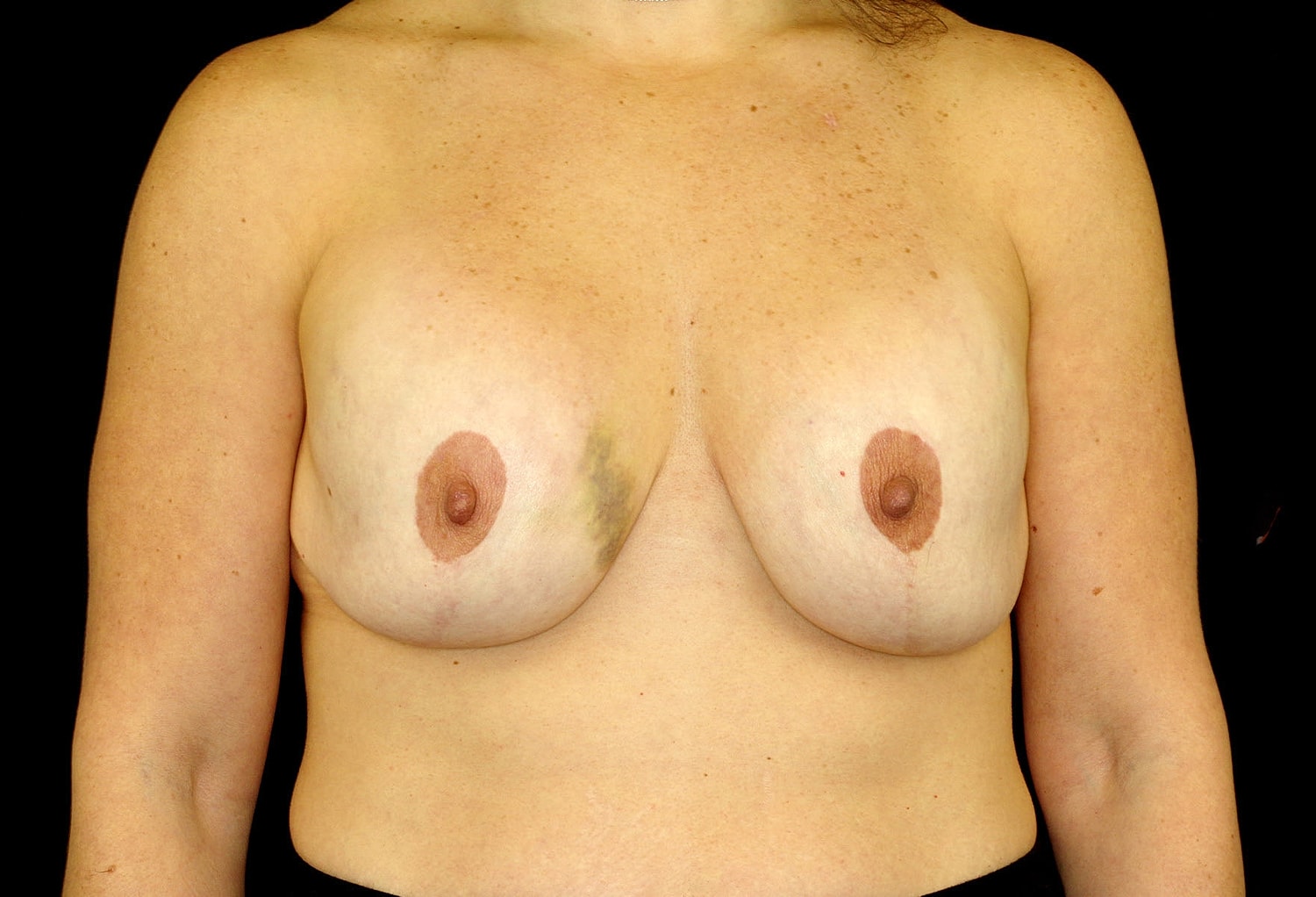
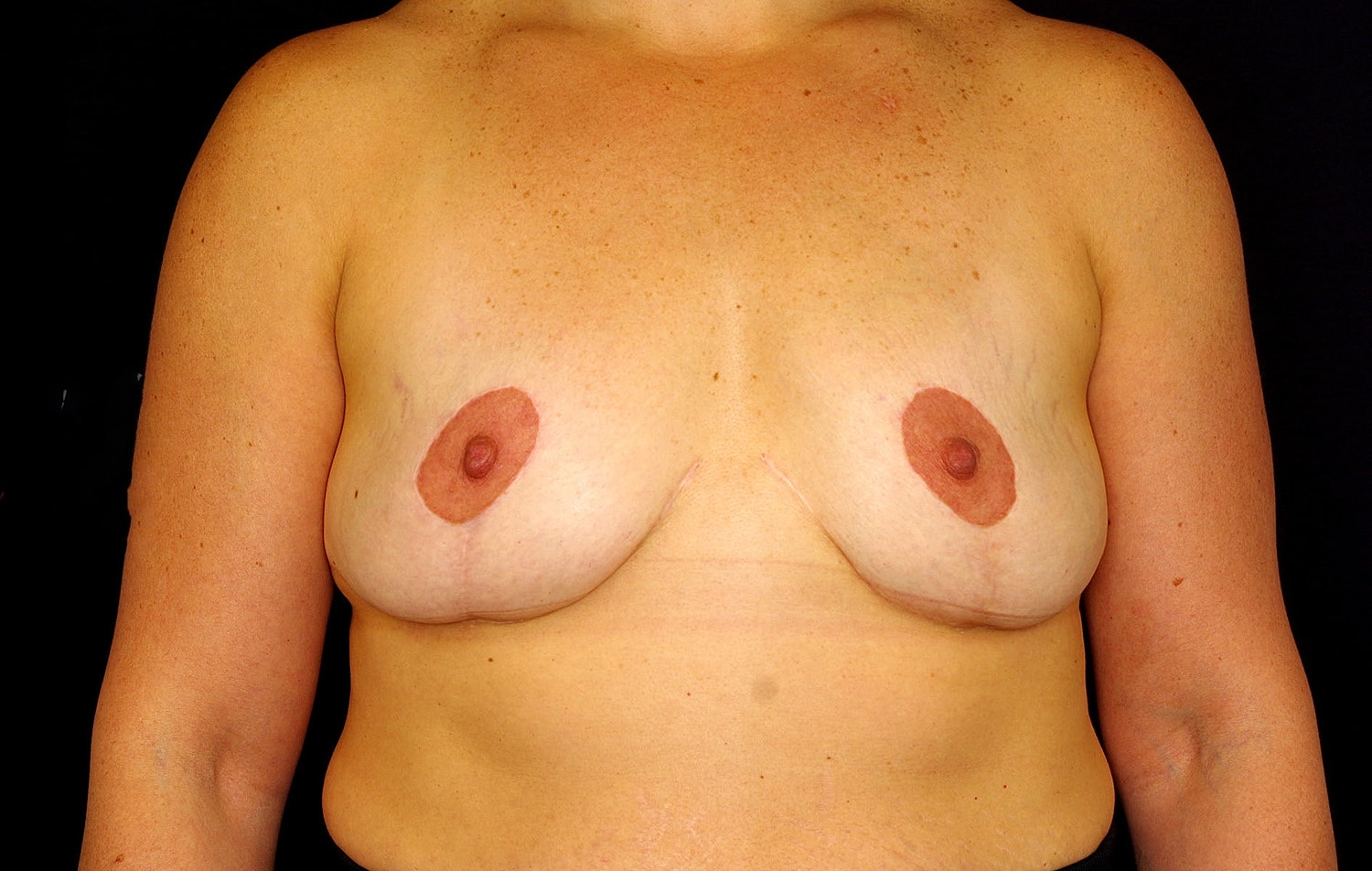
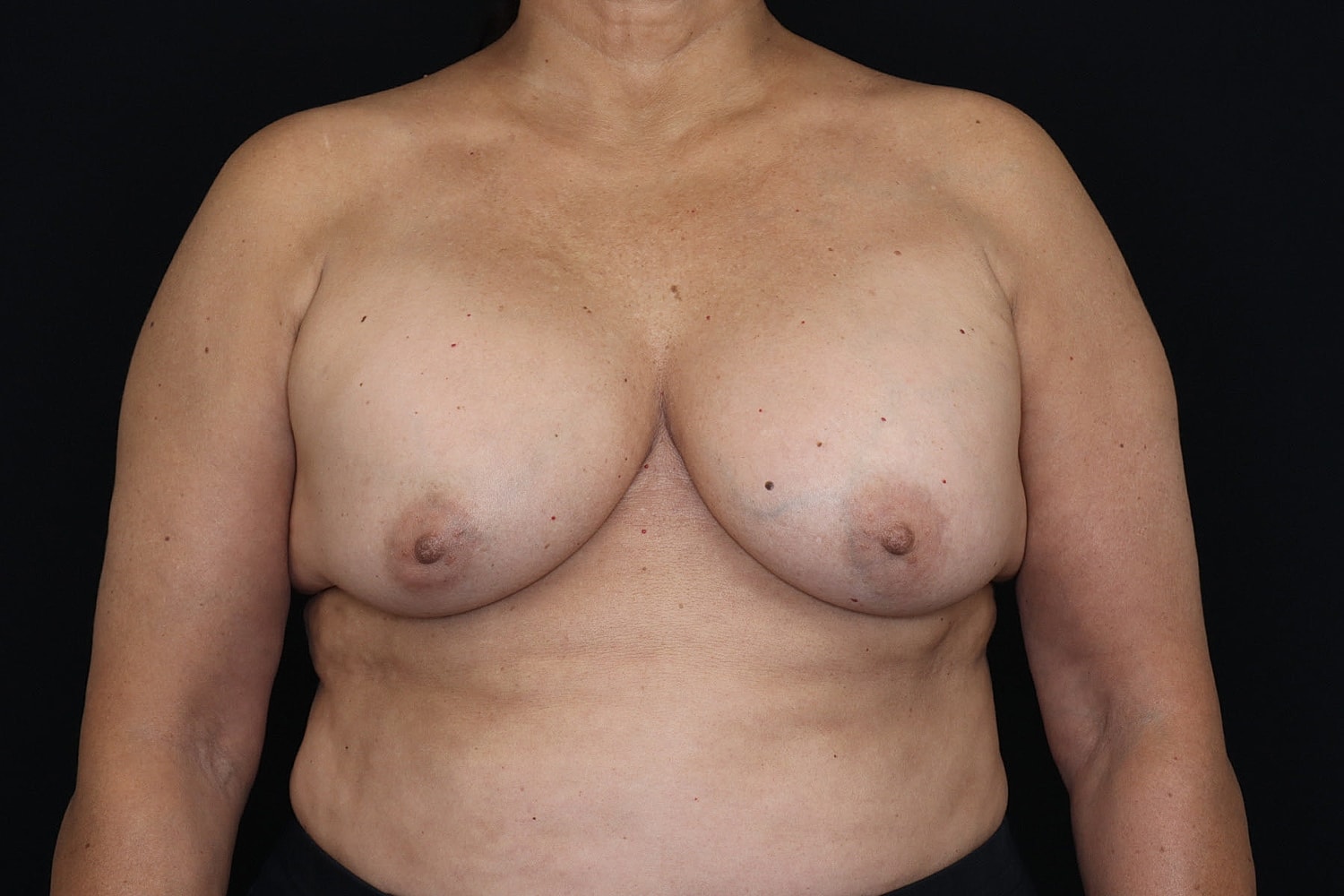
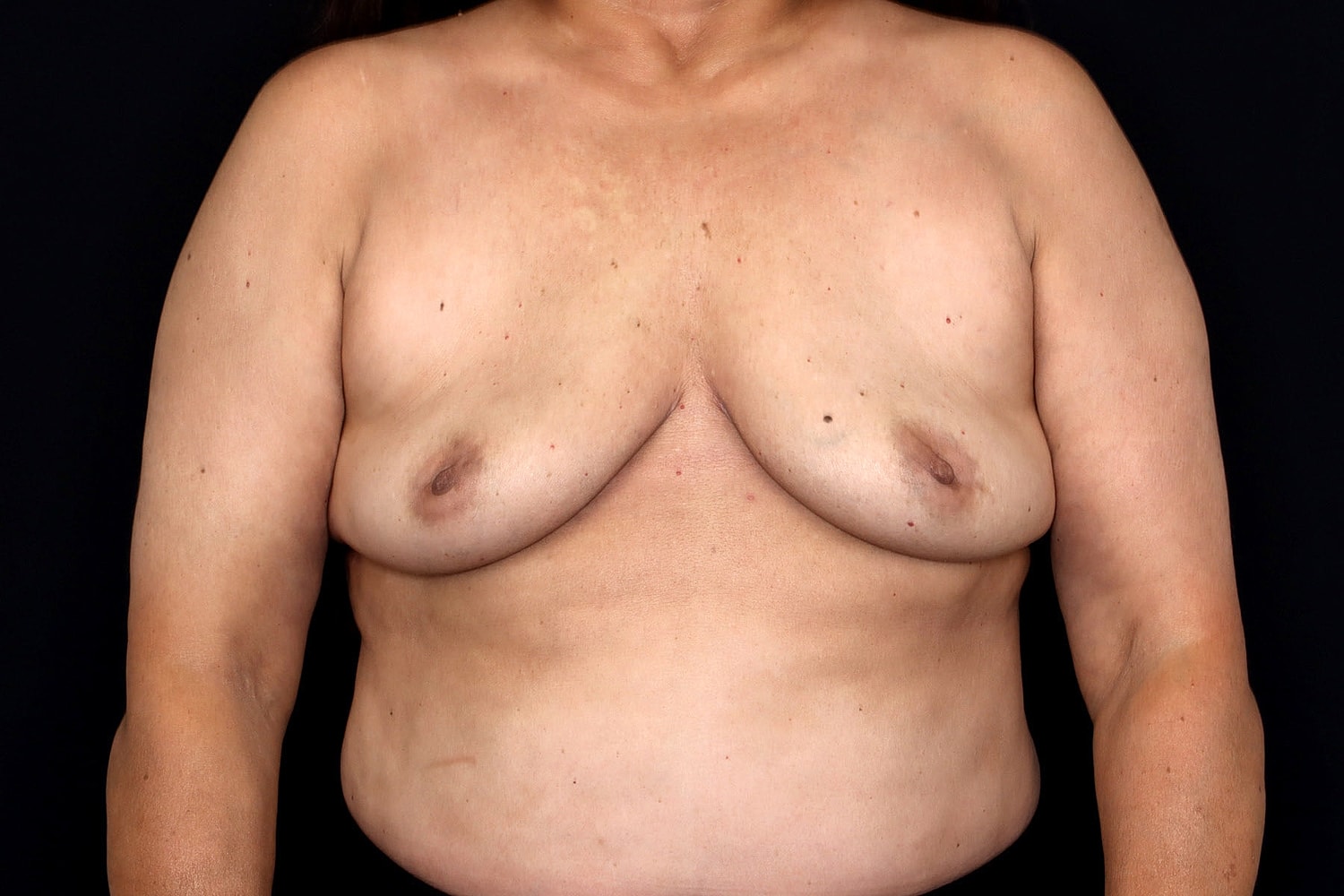
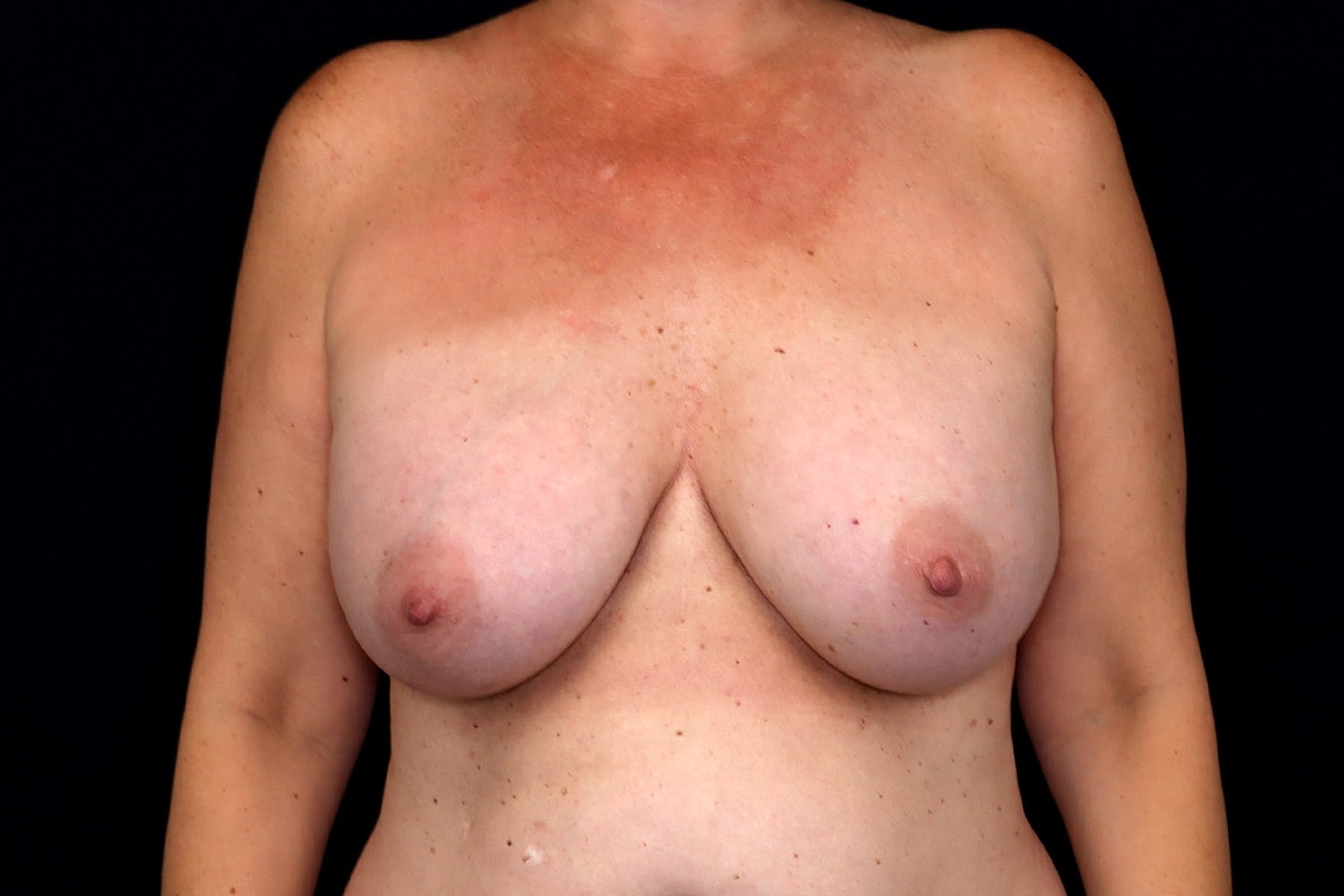
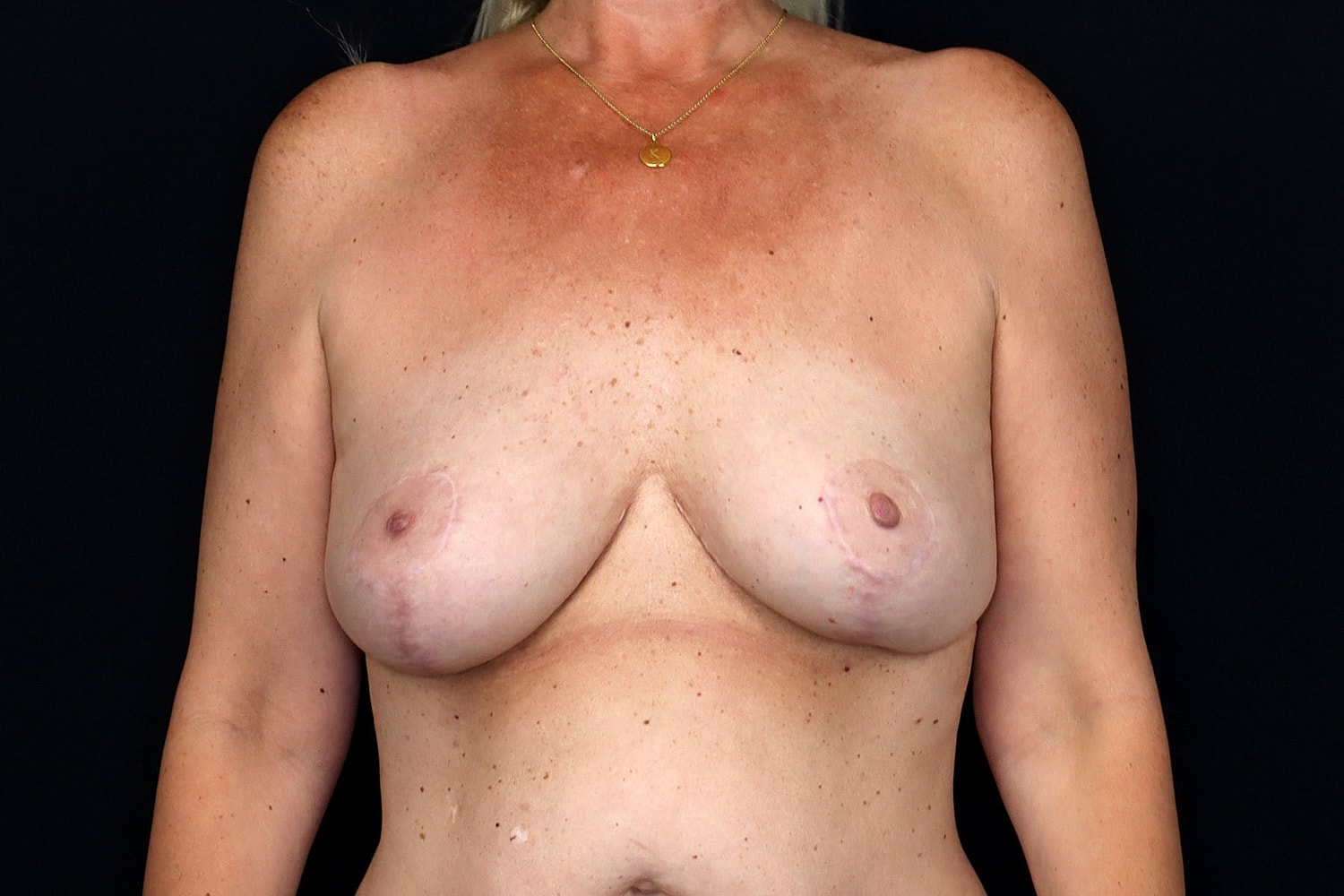
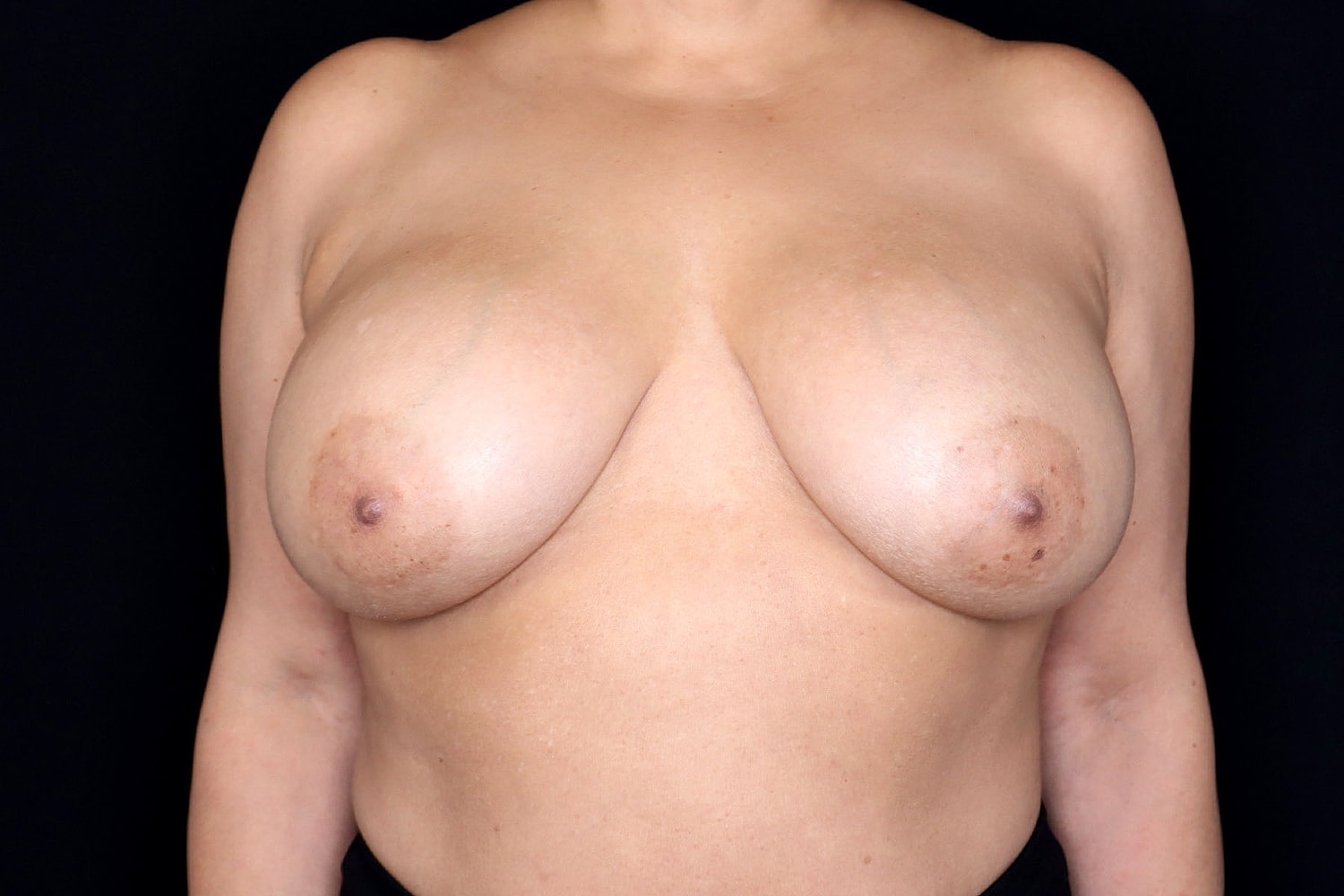
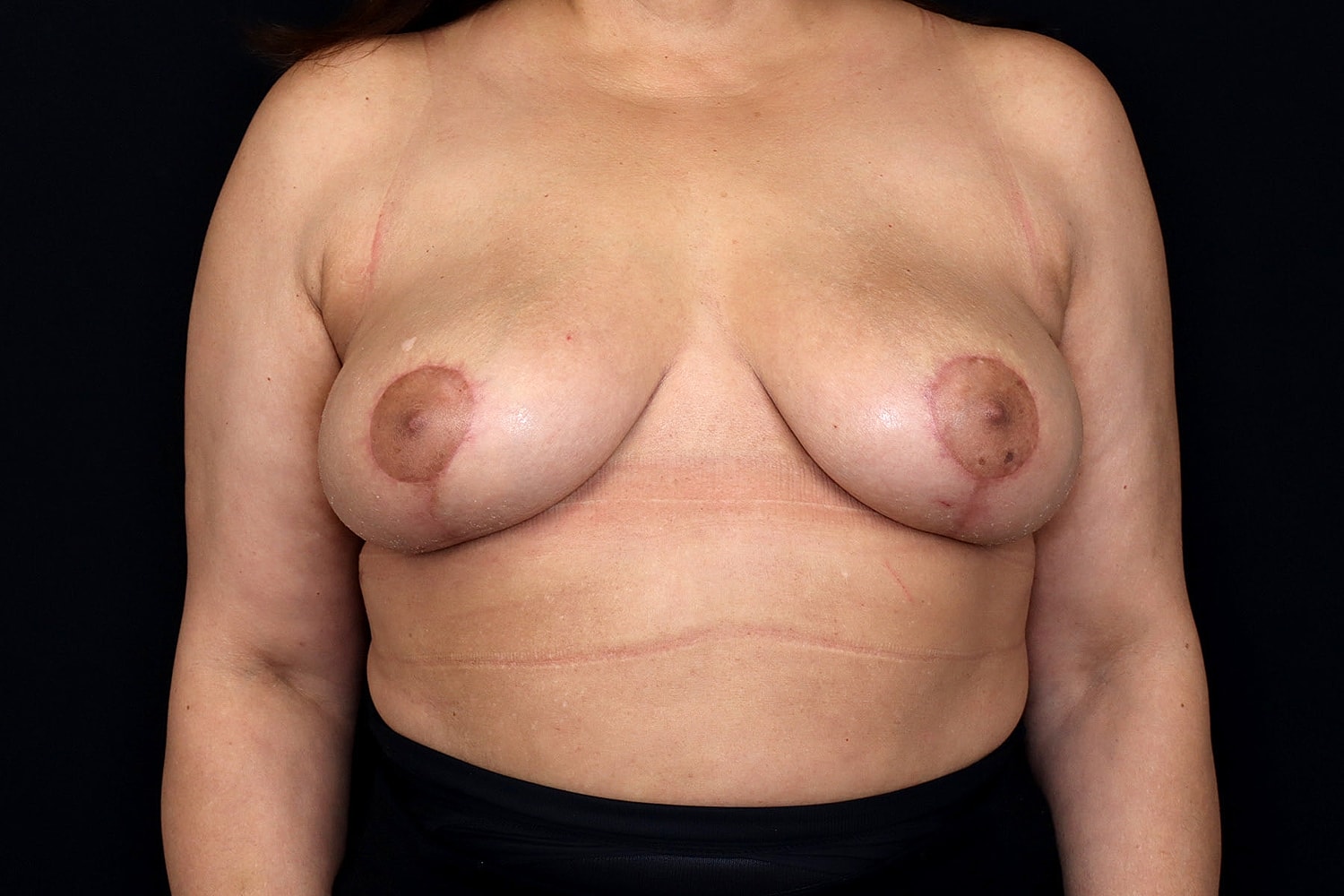
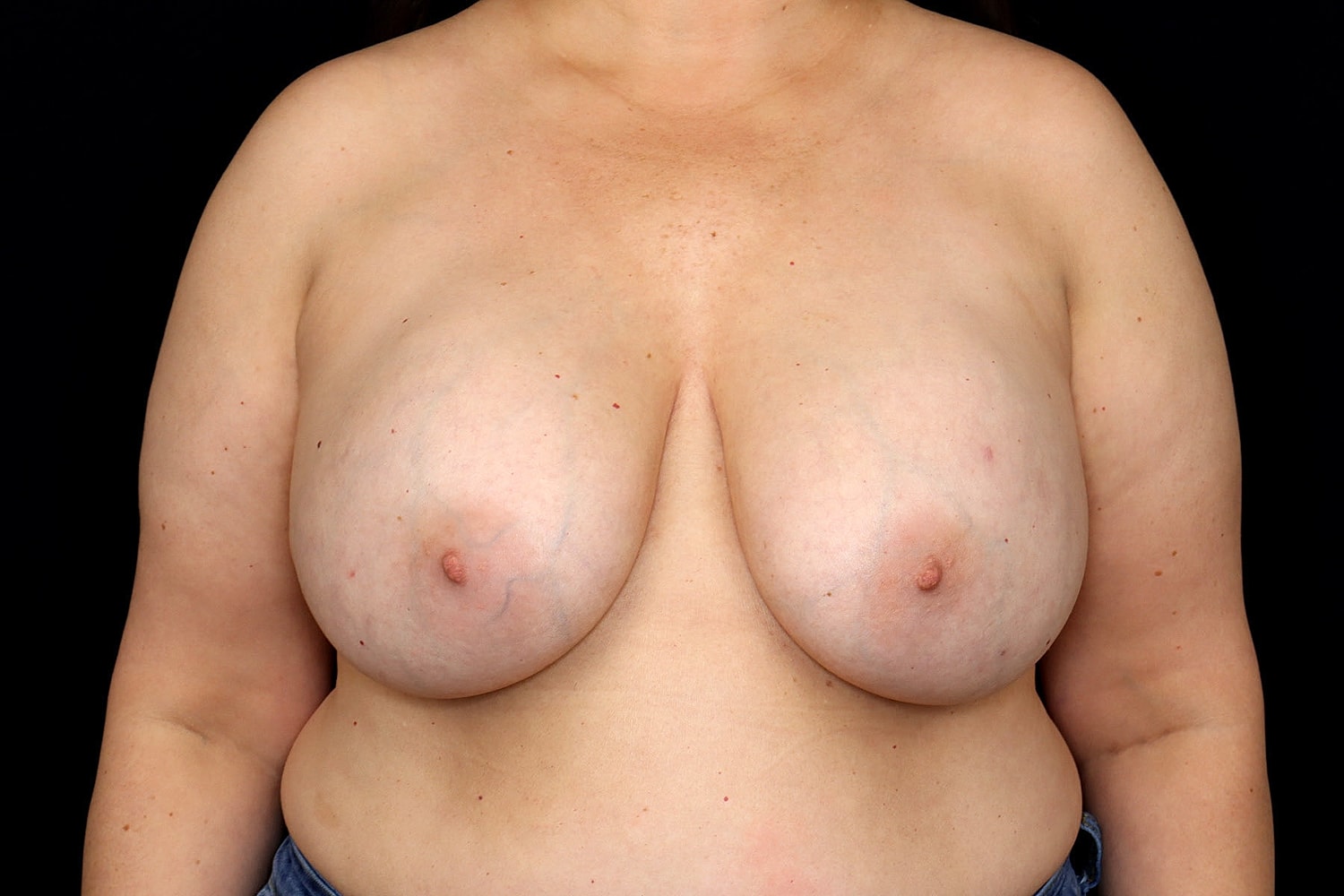
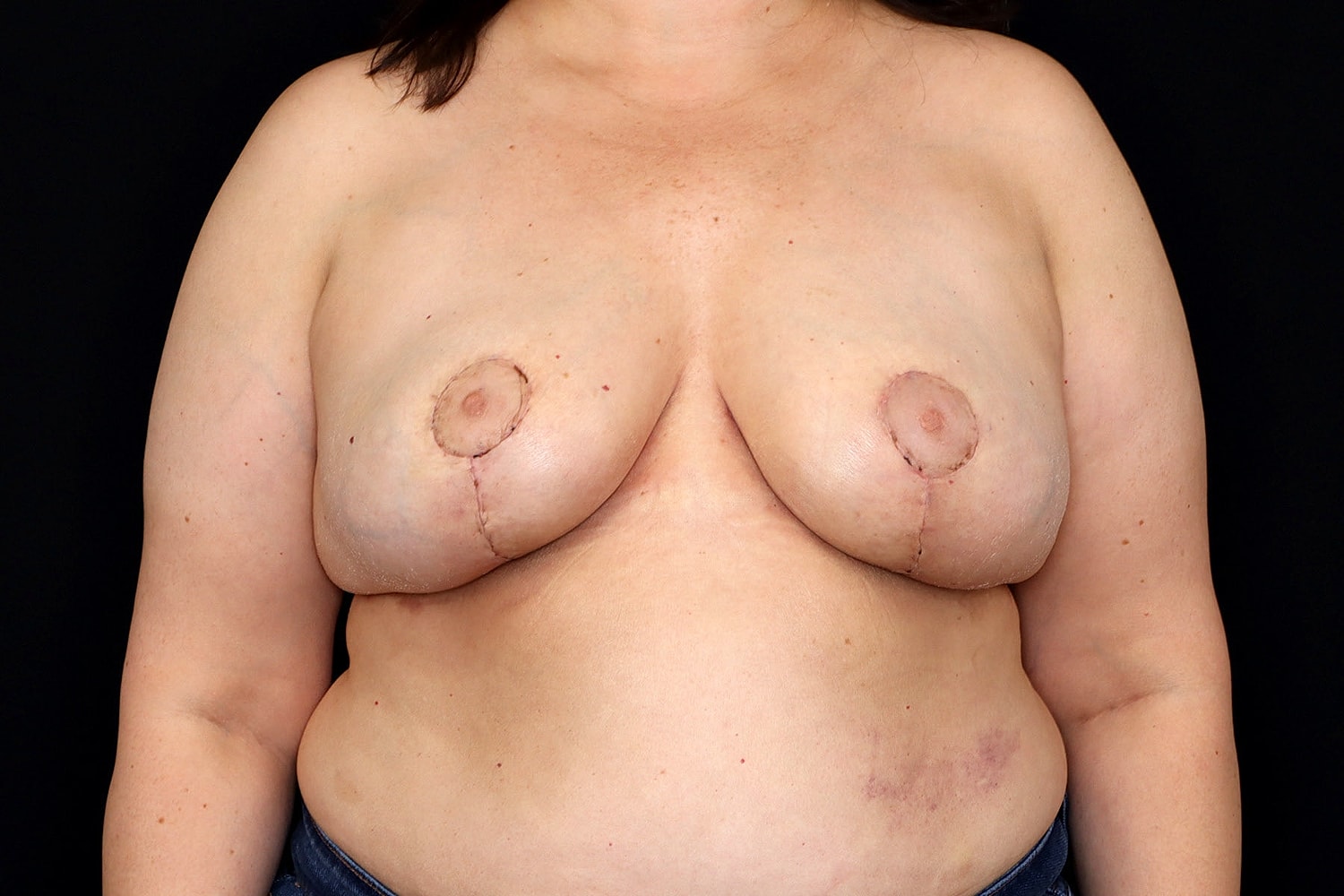
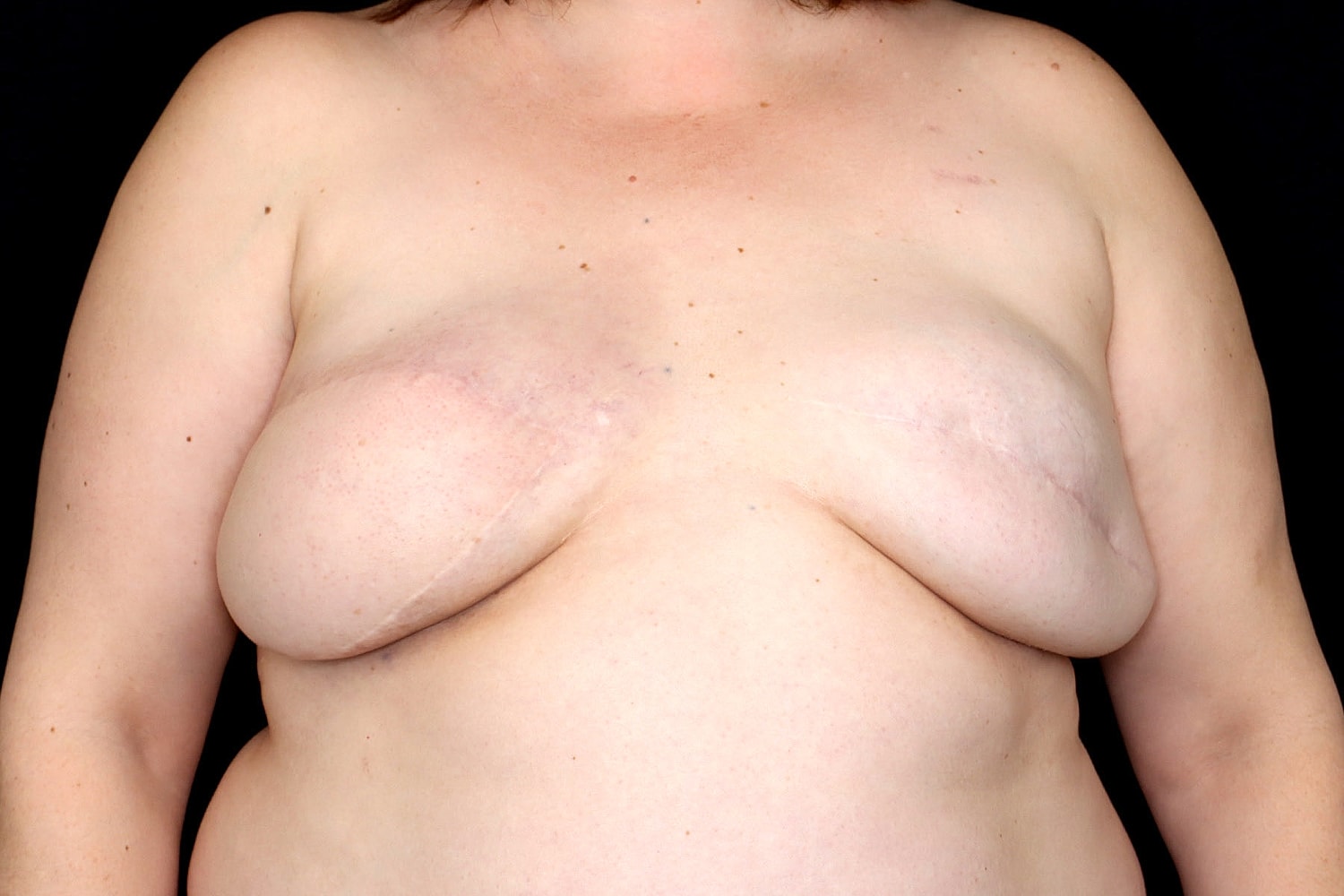
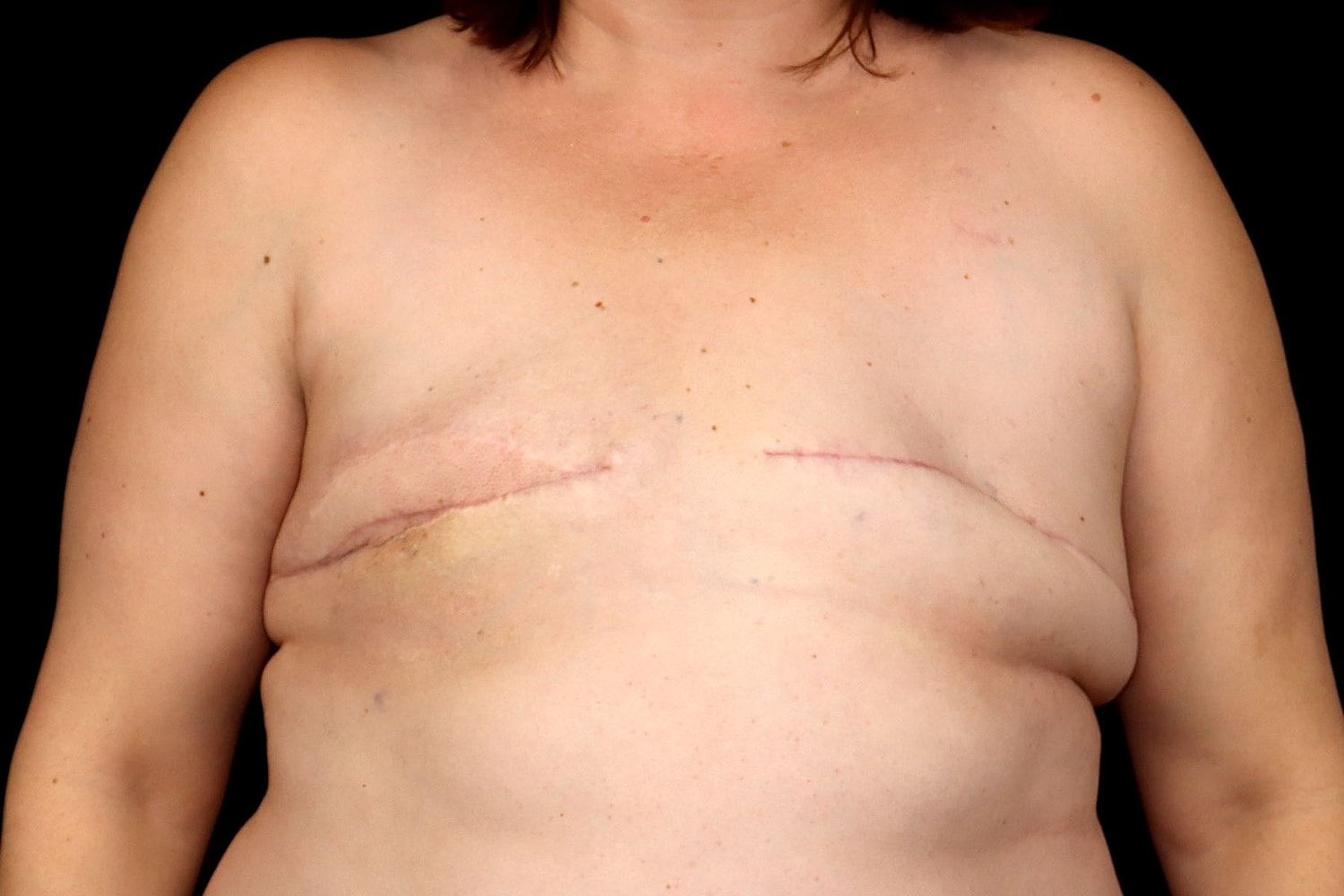
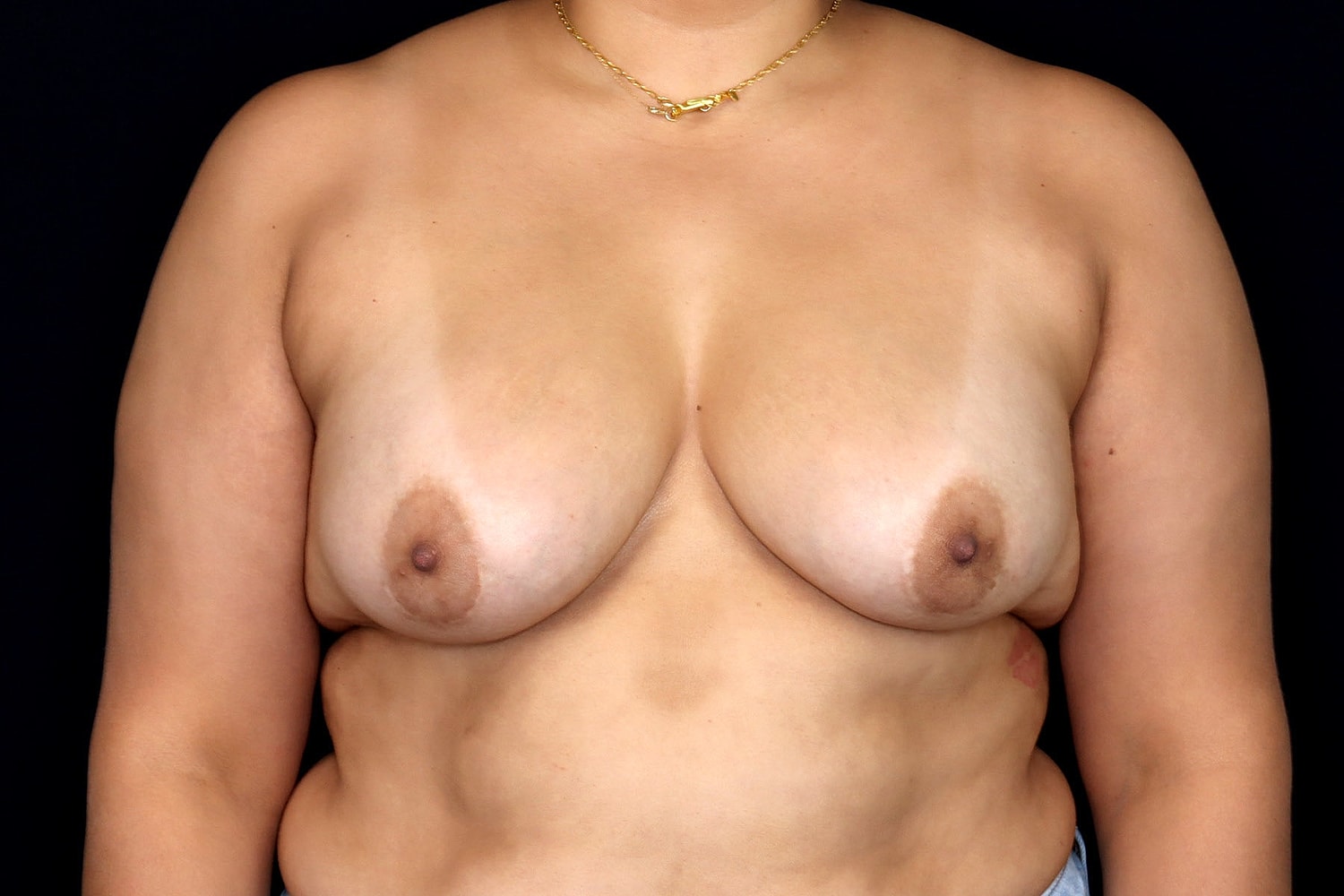
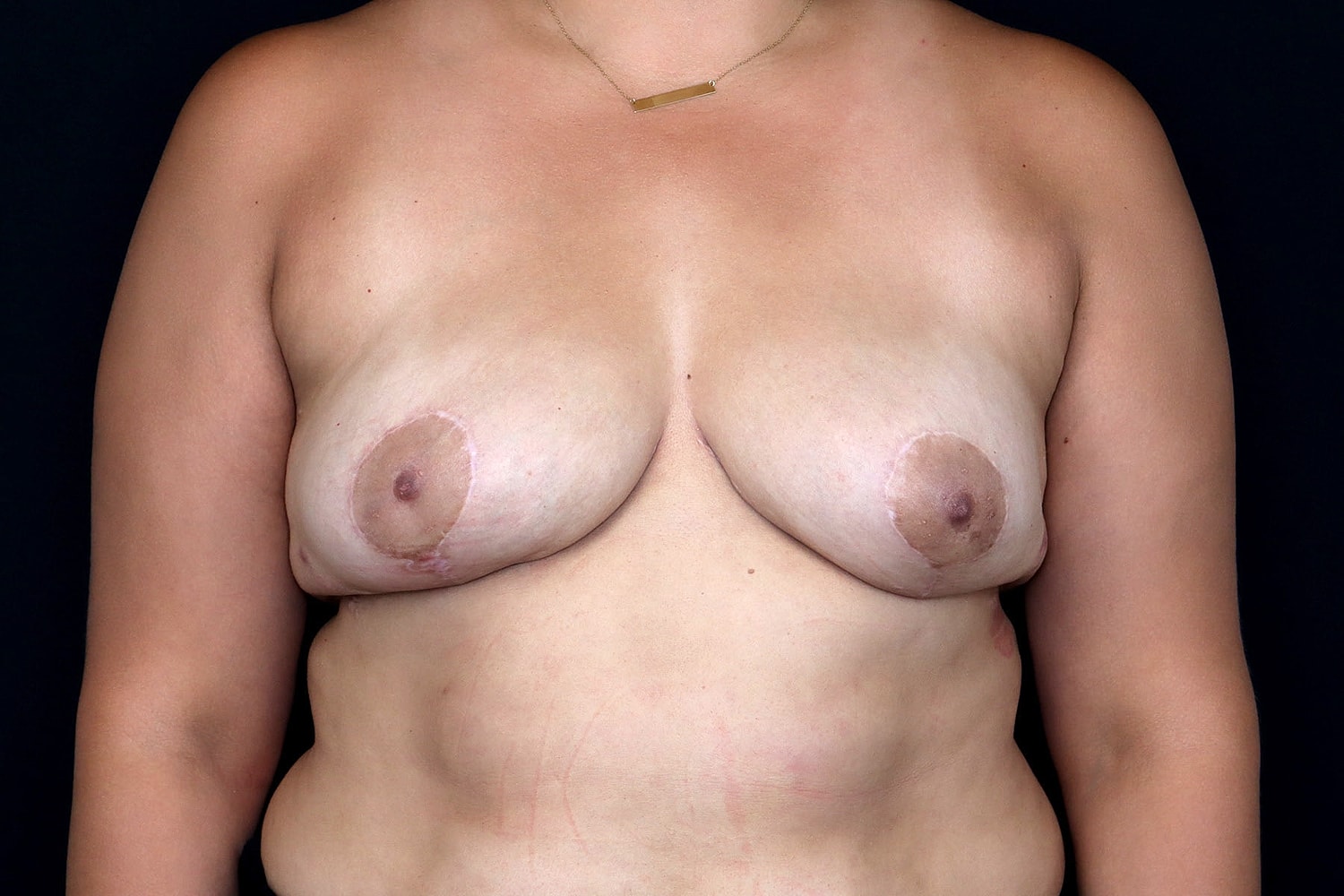
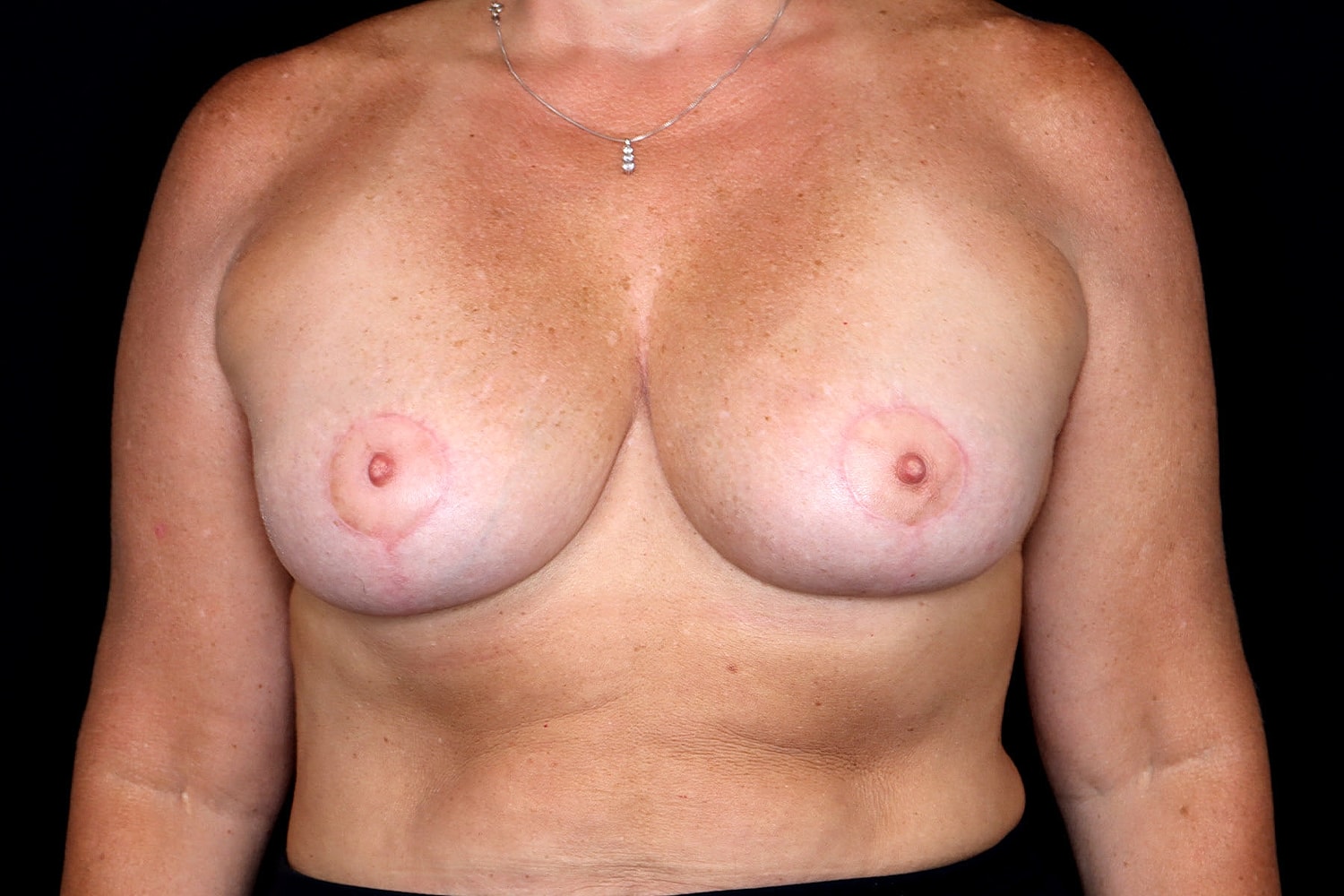
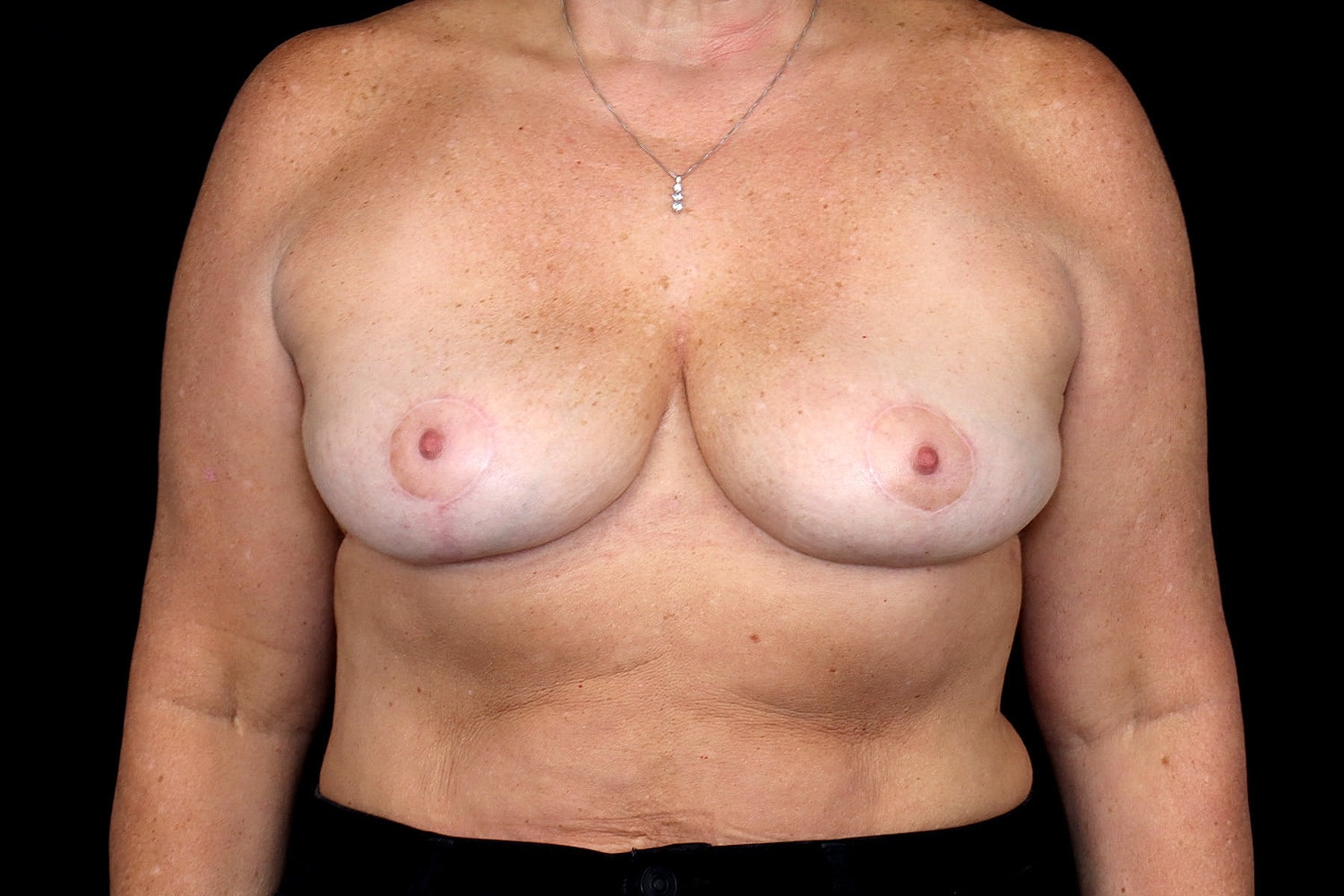
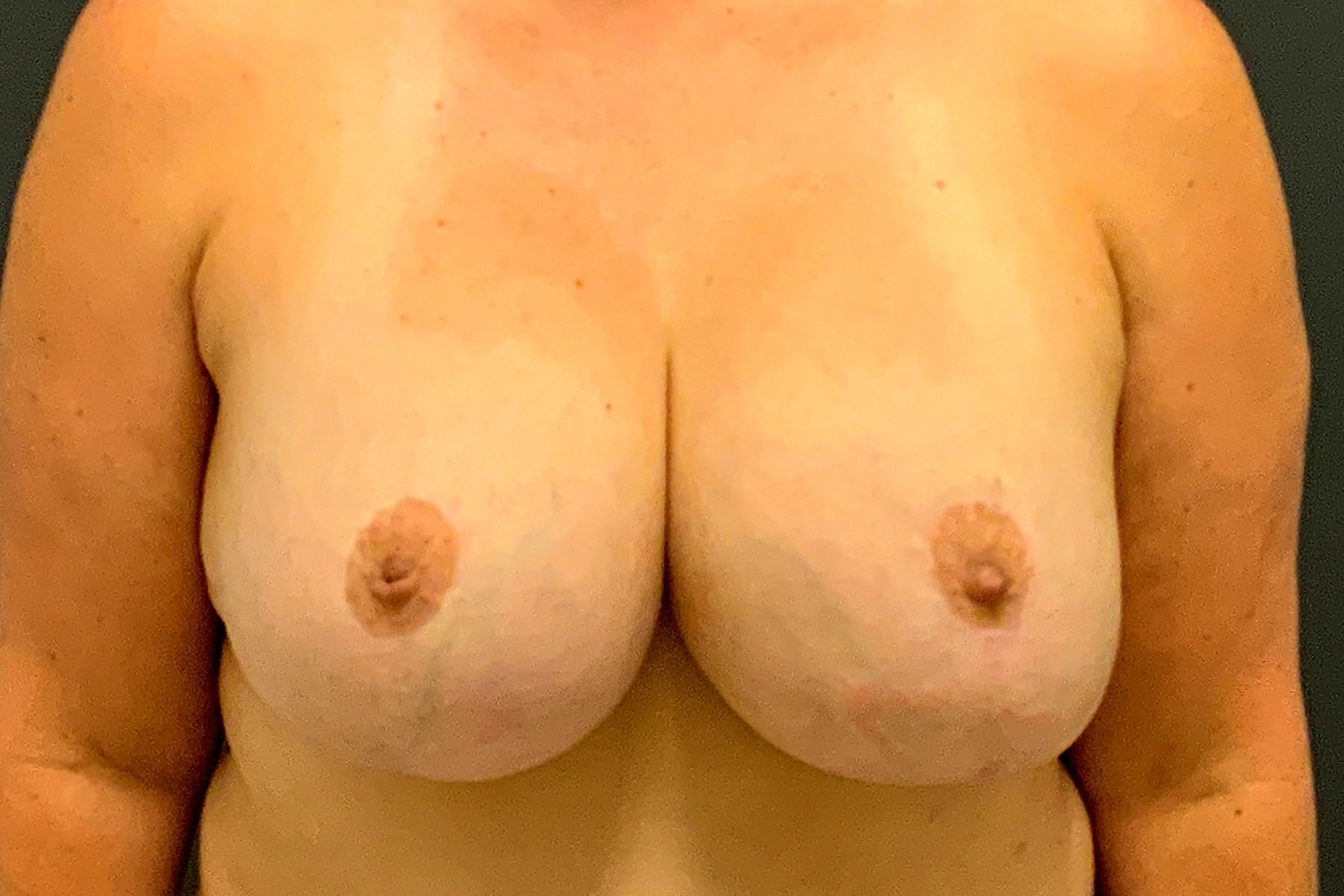
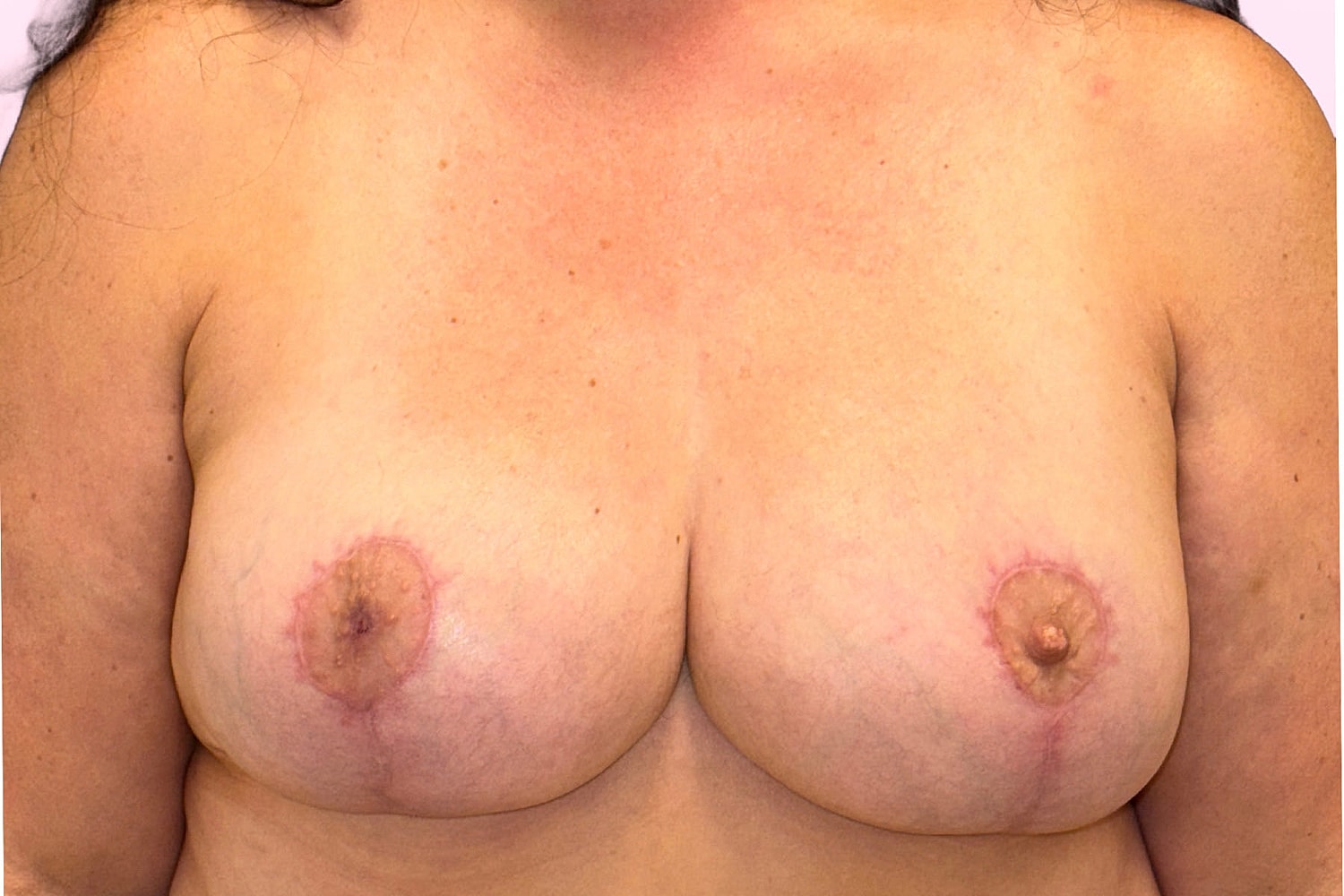
The results of Breast Implant Removal are often life-changing. While every woman’s healing journey is unique, the reduction in brain fog and joint pain can be seen as a new beginning. Dr. Pryor works closely with each patient to align the surgical plan with their aesthetic goals, including a natural breast shape. To maintain a beautiful aesthetic after removal, Dr. Pryor can discuss options like a breast lift or fat grafting to restore a natural and youthful appearance to the breast tissue

Dr. Landon S. Pryor is a board-certified plastic surgeon with a deep commitment to the BII community. He has dedicated a significant portion of his practice in Boca Raton, FL, and San Diego, CA, to mastering the en bloc technique, ensuring that every patient receives the highest level of clinical expertise. Our practice offers a personalized experience where your health is the priority, combining surgical mastery with a warm, empathetic environment.
East Coast? West Coast? No matter where you are, getting high-end care from one of the nation’s leading plastic surgeons will be worth the trip. Dr. Landon Pryor is a triple board-certified, triple fellowship-trained plastic surgeon known for surgical excellence in both aesthetic plastic surgery and as a national leader in Breast Implant Illness (BII) care and explant surgery. His aesthetic highlights include a deep structural approach to procedures like facelift, rhinoplasty, and breast contouring, aiming for natural-looking, refined, and stable results. For BII patients, he is recognized as a "Surgeon Advocate" who utilizes innovative explant techniques, such as the En Bloc Capsulectomy, and integrates holistic recovery protocols.
Patients travel from across the country to see Dr. Pryor because he is a "National Destination for Explant Surgery & Aesthetic Excellence," offering a steady presence, an evidence-first approach, and compassionate care from a highly trained surgeon who validates their symptoms and provides a safe path to restoration.
You can schedule a consultation with Dr. Pryor at the following locations:

While the medical community is still conducting long-term studies, the World Health Organization and organizations such as the Cleveland Clinic have noted a significant number of patients reporting similar symptoms. Many surgeons and patients find that the consistent, significant improvement after explant surgery serves as compelling evidence of the link between implants and these systemic issues.
A simple removal only removes the implant, potentially leaving the surrounding scar tissue around the implant (the capsule) behind. An en bloc capsulectomy removes the implant and the entire capsule, including all surrounding scar tissue, as a single unit. Dr. Pryor always performs en bloc capsulectomy to ensure the most successful surgical outcome.
Some Boca Raton Breast Implant Removal patients and researchers have expressed concerns about the chemical components and heavy metals used by breast implant manufacturers. While more research is needed to establish a formal medical diagnosis for heavy metal toxicity from implants, many women choose removal to reduce their overall toxic burden and support their immune system.
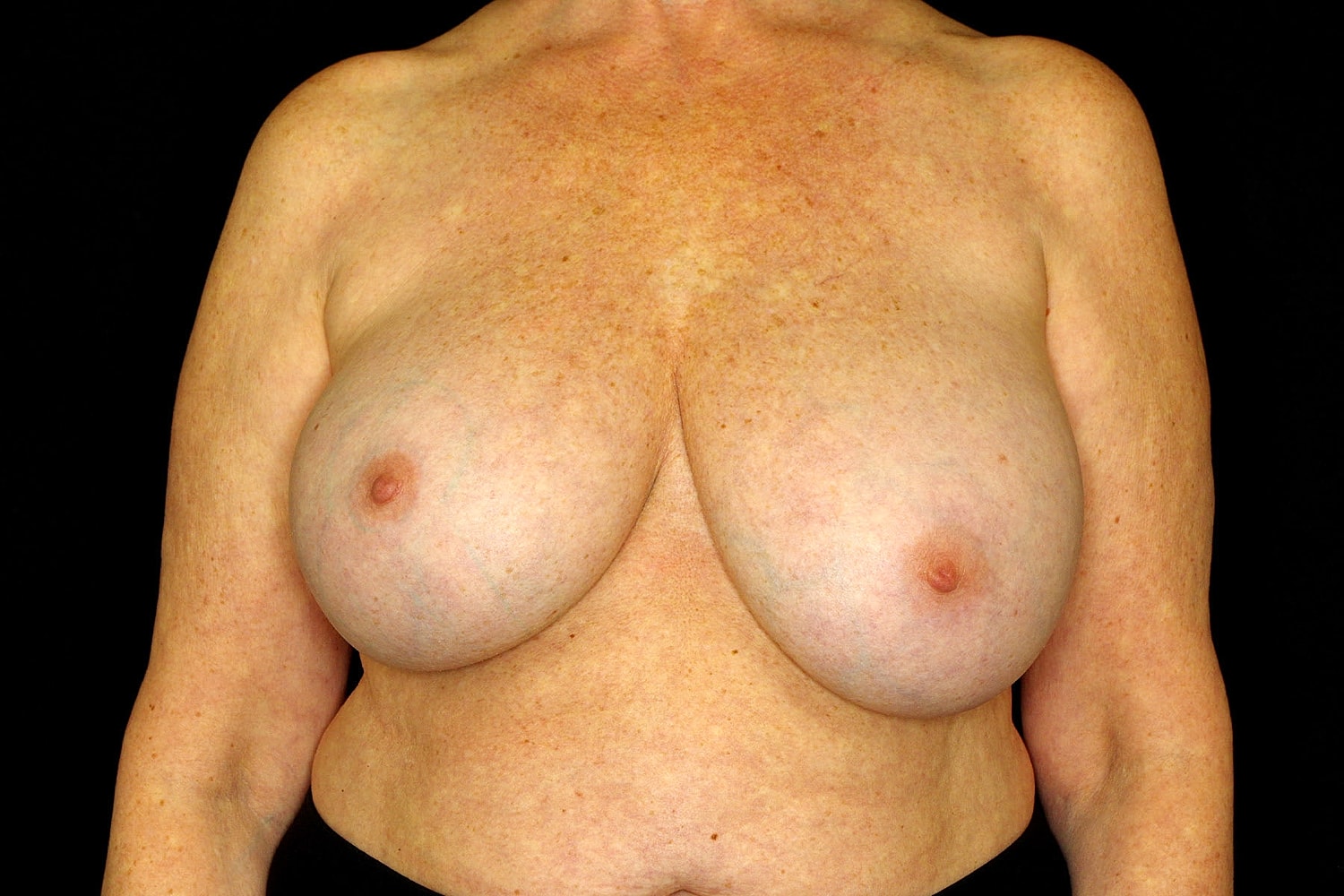
The appearance of your breasts after surgery depends on your natural breast tissue and the size of the implants being removed. If you have large implants or reduced skin elasticity, you may be more likely to need additional procedures, such as a breast lift, to achieve optimal results. For many women, a breast lift or fat grafting using their own fat cells can be performed to restore shape and volume, ensuring a beautiful and natural result after explant surgery.
Breast Implant Illness (BII) symptoms often mimic other health conditions, such as connective tissue diseases, rheumatoid arthritis, or autoimmune disease. Many women report a cluster of similar symptoms, including brain fog, joint pain, and unexplained rashes. By choosing to remove implants, patients often find relief from the chronic inflammation that can lead to these debilitating health concerns.
Many patients report that "the fog lifts" almost immediately after their breast implant surgery removal. While systemic symptoms like joint pain or skin problems may take a few weeks or months to fully resolve as the inflammatory response subsides, the initial improvement is often quite rapid.
Yes, brain fog is one of the most frequently reported symptoms by women struggling with their implants. It is often described as a feeling of mental cloudiness, difficulty concentrating, or memory issues that significantly impact daily life and productivity.