Fat Transfer Breast Augmentation
Boca Raton, FL San Diego, CA.


Natural Volume, Thoughtfully Placed
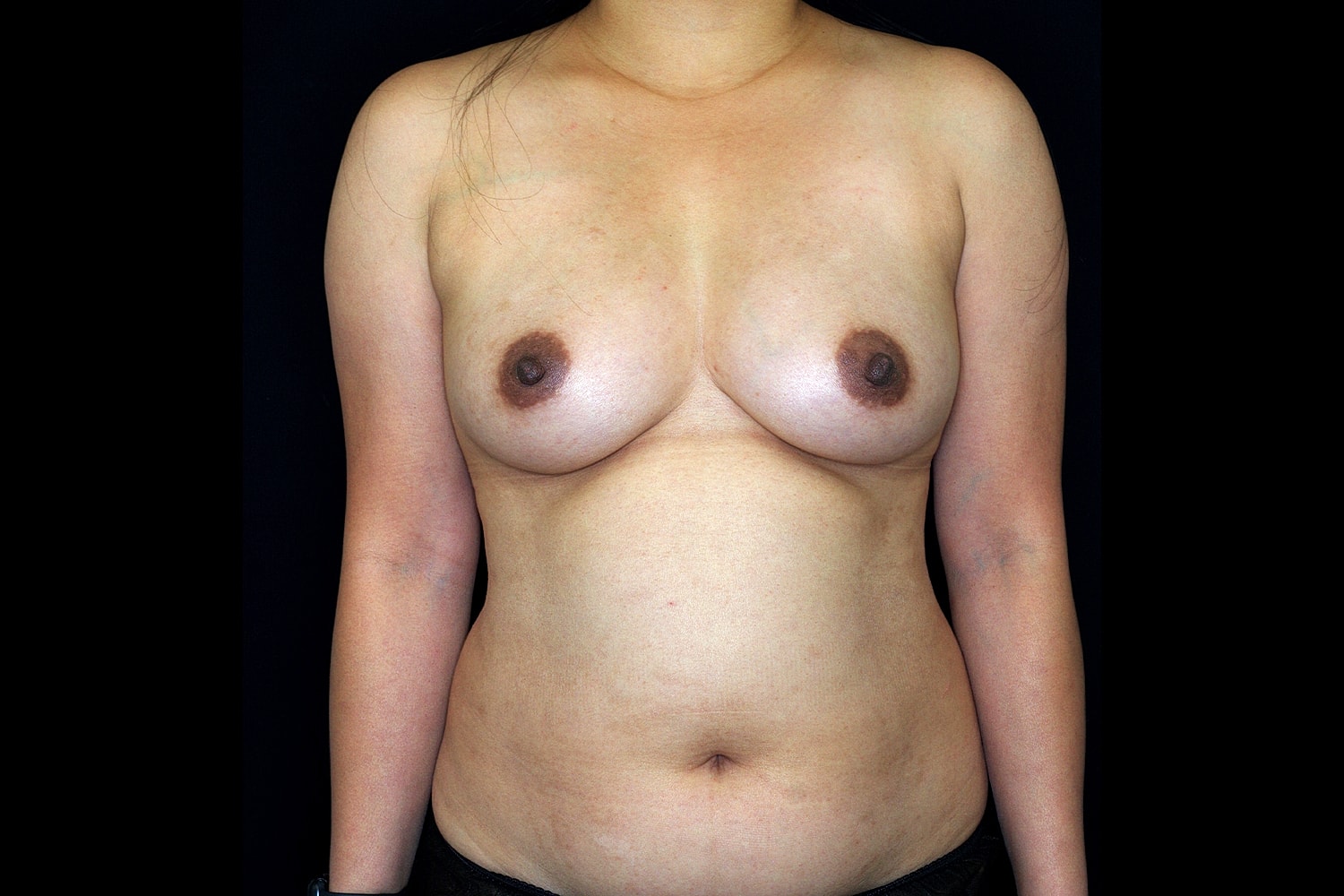
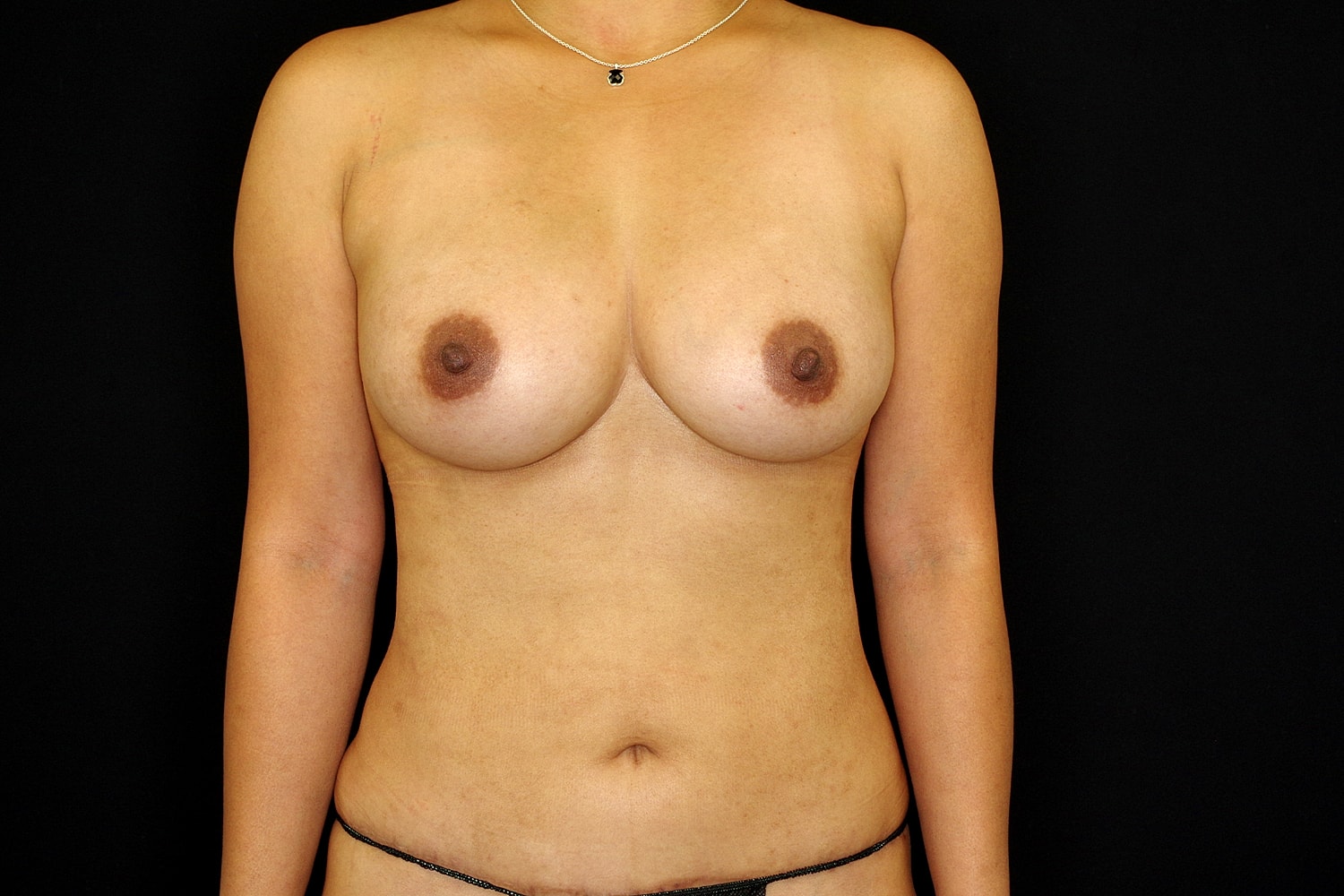
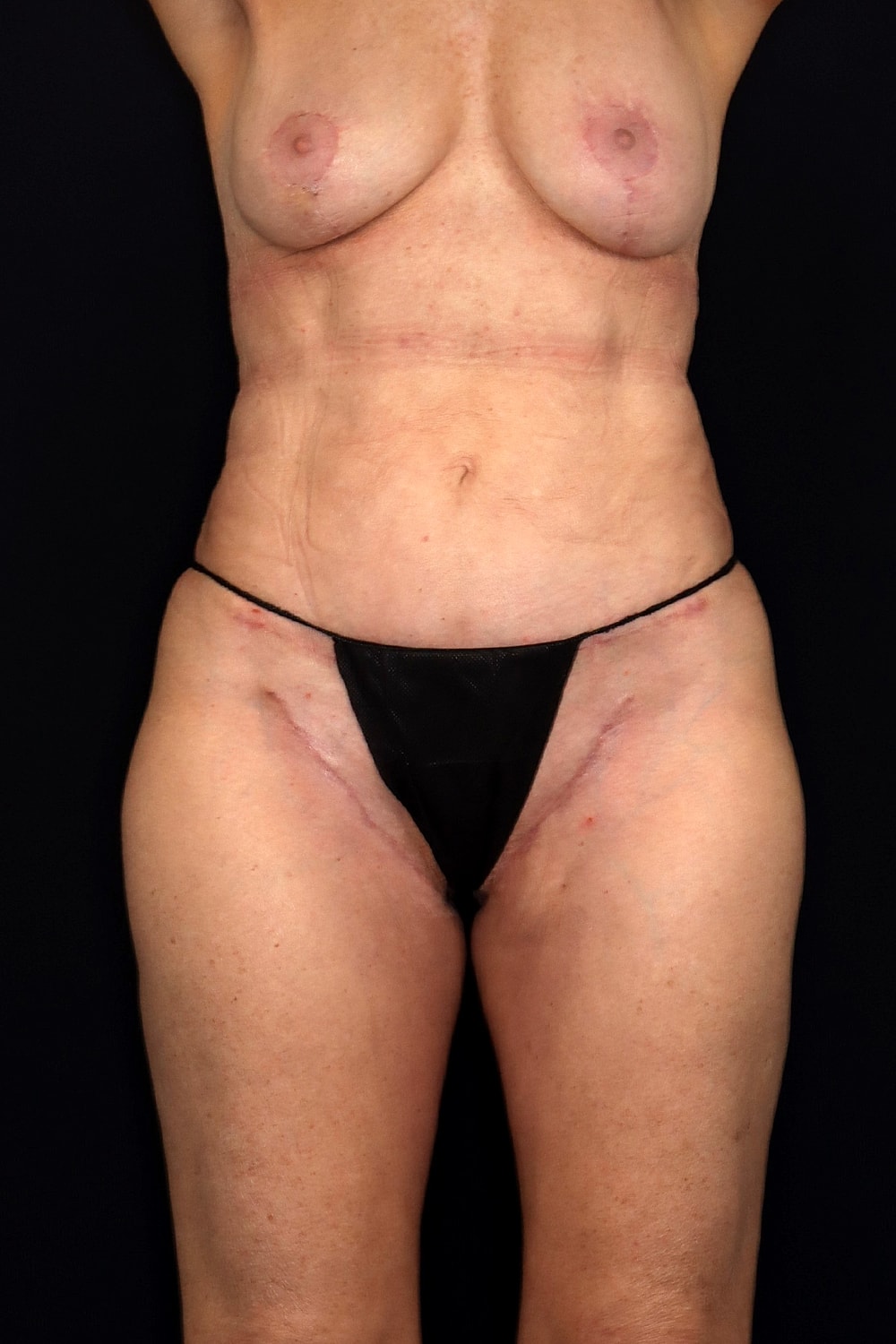
A Fat Transfer Breast Augmentation is a refined breast enhancement approach that prioritizes subtlety and balance. As a cosmetic procedure within the field of plastic surgery, fat transfer to the breasts is aimed at breast enhancement using natural methods. Dr. Landon Pryor uses refined techniques and careful judgment to create natural changes that align with a patient’s frame and lifestyle. This procedure uses the patient’s own fat for enhancement and is chosen by patients seeking modest volume, improved shape, or restoration following weight loss or pregnancy, all without implants.
1 of 2
Procedure Type
Autologous fat transfer, involving two procedures–liposuction to remove excess fat from one area and transfer of that fat to the breasts for natural enhancement
Anesthesia
Typically performed as an outpatient procedure under general anesthesia and can take 4-6 hours
Downtime
Light activity within 1 to 2 weeks
Results
Gradual, natural enhancement as fat settles
Using What's Already Yours
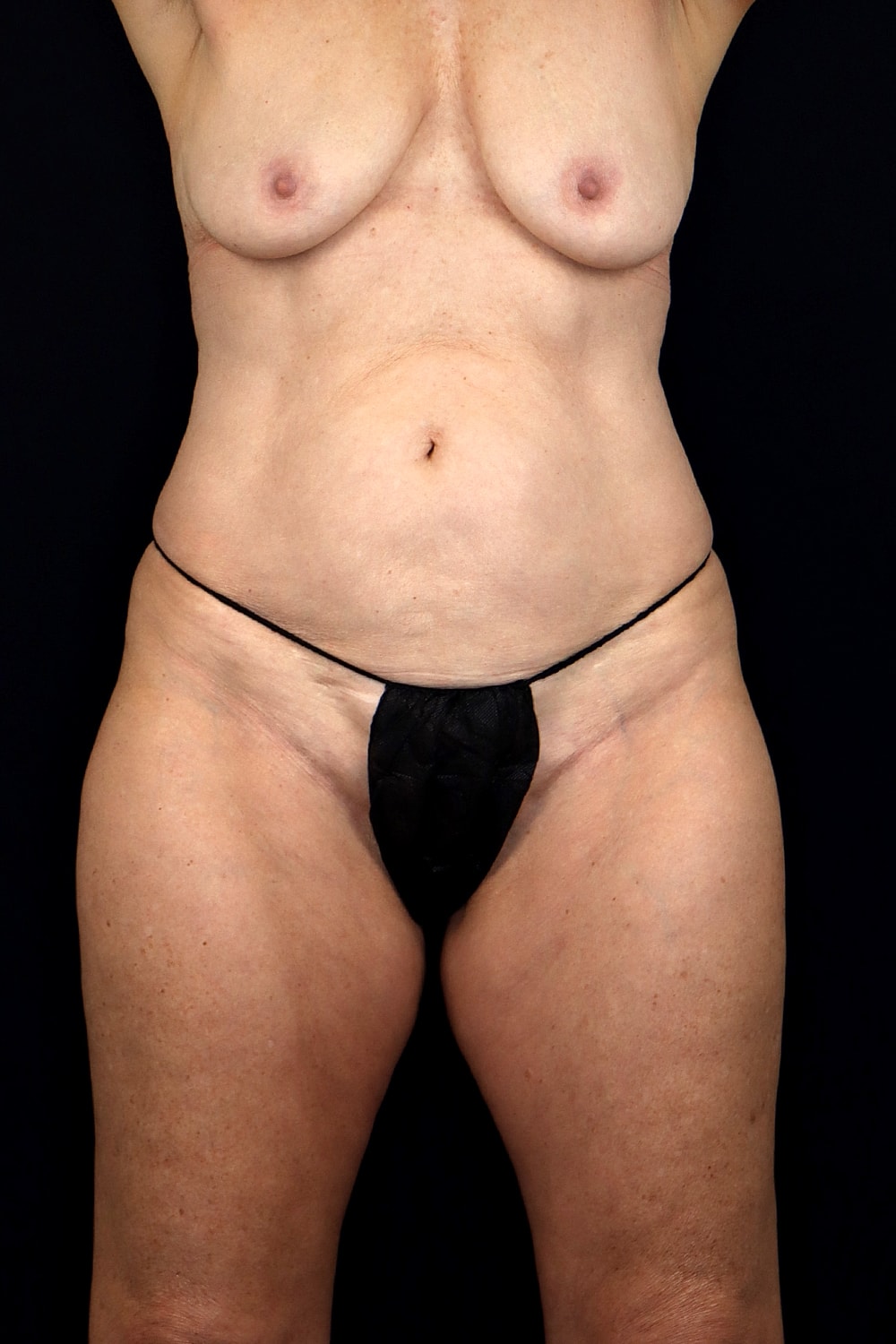
Fat transfer to the breasts, also known as breast fat grafting, offers a more natural alternative to breast augmentation with implants. The fat transfer procedure involves two steps: first, fat is harvested from the patient's body, specifically from areas with excess fat such as the abdomen, flanks, or thighs, using liposuction techniques such as SmartLipo or VASER Hi Def Lipo.
During liposuction, fat cells are separated from surrounding tissue. The purified fat is then carefully injected into the breasts to enhance shape and volume. The goal is not dramatic enlargement, but natural improvement. Because the procedure uses your own tissue, results tend to feel soft, look natural, and integrate seamlessly with the body.

The Fat Transfer Breast Augmentation procedure begins with gentle liposuction, which involves making small incisions to insert cannulas and harvest fat from donor areas. That fat is then processed and purified before being meticulously injected into the breasts using small cannulas. The fat is injected in small increments and at varying depths to maximize survival, with approximately 60% of the transferred fat typically surviving. Placement is deliberate and layered to support fat survival and smooth contours. Fat grafting requires that the transferred fat survive to maintain lasting results. Surgery is performed in an accredited facility, and patients return home the same day.
Refinement Rather Than Replacement
Fat Transfer Breast Augmentation can address mild volume loss, asymmetry, contour irregularities, and changes resulting from pregnancy or weight fluctuations. It is also used to soften the breast shape or improve transitions along the chest wall.


Subtle Change That Feels Natural
A Fat Transfer Breast Augmentation offers enhancement without implants, resulting in breasts that look and feel natural. Fat grafting is a natural alternative to traditional breast augmentation, using your own fat to achieve a subtle and authentic result. There is no foreign material involved, and scarring is minimal. Boca Raton Fat Transfer Breast Augmentation patients also appreciate the added benefit of contouring in donor areas. The outcome is understated, balanced, and personal.
Subtle Definition & Enhancement
A good candidate for a Fat Transfer Breast Augmentation is someone in good health, with adequate donor fat, realistic expectations, and a desire for a modest increase in volume. Good overall health and stable weight are important factors for a successful outcome.
The Fat Transfer Breast Augmentation consultation is the first step in the process. During this appointment, a board-certified plastic surgeon will conduct a physical exam, take your medical history, and discuss the best liposuction technique for your individual needs. Consulting with a surgeon experienced in both breast implants and fat grafting ensures you receive expert guidance and care.
A Measured Return to Routine
Fat Transfer Breast Augmentation recovery involves swelling and soreness in both the breasts and donor areas. Recovery from breast fat transfer is generally quicker and less painful than implant surgery. Most patients can expect to return to normal activities within a week after the procedure. Swelling and slight discomfort may persist for 2-3 weeks, and you may feel sore the first week or so after the procedure. Downtime after the procedure typically requires at least 1 week off work, and patients should plan to take 2-3 days off to rest and recuperate.
Compression garments are worn to support healing, and strenuous exercise should be limited for about 2-4 weeks after the procedure. Optimal results become apparent as swelling subsides. Following Fat Transfer Breast Augmentation Boca Raton patients return to desk work within one to two weeks. Clear guidance is provided to protect fat survival during healing.
Gradual & Impeccable
Initial fullness is expected, with some fat resorption occurring over the first few months. The fat that remains becomes a living part of the breast. Final results settle gradually and are long-lasting when the weight remains stable. The change is subtle but meaningful, often described as feeling “more like myself.”
When considering a breast augmentation, many women find themselves choosing between fat transfer breast augmentation and traditional breast implants. Each approach offers distinct advantages, and the right choice depends on your personal aesthetic goals, body type, and expectations for breast size and feel.
Fat transfer breast augmentation, also called natural breast augmentation, uses your own body fat, harvested from areas such as the abdomen, flanks, or thighs, to enhance the breasts. This method is ideal for those seeking a modest increase in breast volume and a subtle, natural-looking result. Because the transferred fat integrates with your natural breast tissue, the outcome feels soft and authentic, with minimal scarring and the added benefit of body contouring in the donor sites. Fat transfer is especially appealing to patients who wish to avoid foreign materials and desire a gentle, understated enhancement.
Aligned With Your Goals
Choosing the right surgeon is the most important step in your aesthetic journey. Fat transfer requires restraint, precision, and experience. Dr. Landon Pryor brings advanced surgical training, a deep respect for anatomy, and a patient-first philosophy to every case. His approach prioritizes safety, proportion, and results that align with how patients live, not trends. By focusing on what makes you feel most confident and comfortable, Boca Raton Fat Transfer Breast Augmentation surgeon, Dr. Pryor ensures that volume is placed with the utmost care for a smooth, shapely, and proportional result.
East Coast? West Coast? No matter where you are, getting high-end care from one of the nation’s leading plastic surgeons will be worth the trip. Dr. Landon Pryor is a triple board-certified, triple fellowship-trained plastic surgeon known for surgical excellence in both aesthetic plastic surgery and as a national leader in Breast Implant Illness (BII) care and explant surgery. His aesthetic highlights include a deep structural approach to procedures like facelift, rhinoplasty, and breast contouring, aiming for natural-looking, refined, and stable results. For BII patients, he is recognized as a "Surgeon Advocate" who utilizes innovative explant techniques, such as the En Bloc Capsulectomy, and integrates holistic recovery protocols.
Patients travel from across the country to see Dr. Pryor because he is a "National Destination for Explant Surgery & Aesthetic Excellence," offering a steady presence, an evidence-first approach, and compassionate care from a highly trained surgeon who validates their symptoms and provides a safe path to restoration.
You can schedule a consultation with Dr. Pryor at the following locations:

Fat transfer to breasts typically allows for a modest increase in breast size, usually one to two cup sizes. It is best suited for subtle, natural-looking enhancement.
Some fat resorption is normal. Approximately 60% of the fat harvested during the procedure is expected to survive. Dr. Pryor uses techniques designed to maximize fat survival, but final volume varies.
Scars are minimal and usually limited to small liposuction entry points and injection sites.
Yes. It is often combined with liposuction, breast lift, or body contouring when appropriate.
Fat Transfer Breast Augmentation results are long-lasting as long as the weight remains stable. Weight changes can affect fat volume.