Otoplasty
Boca Raton, FL



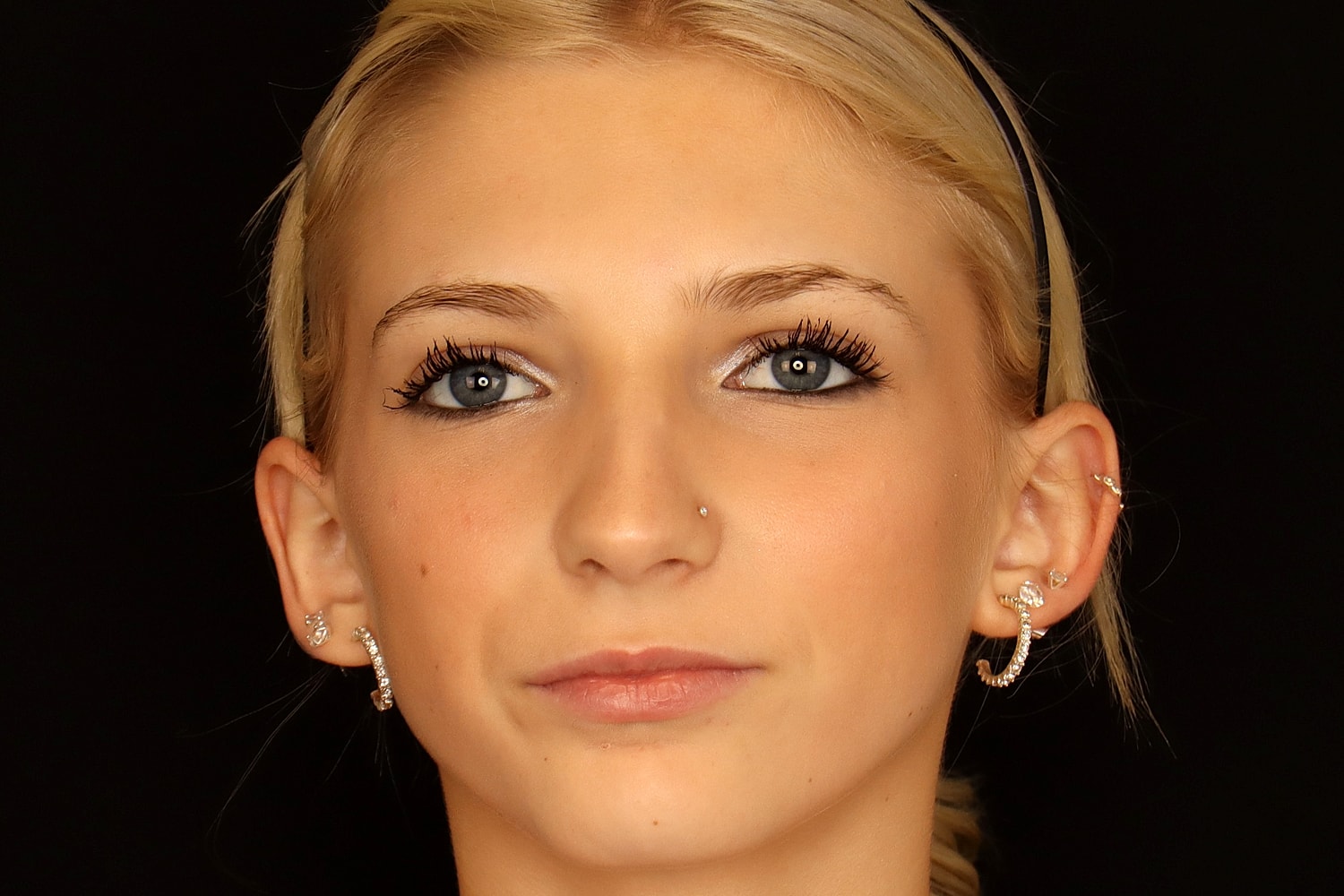
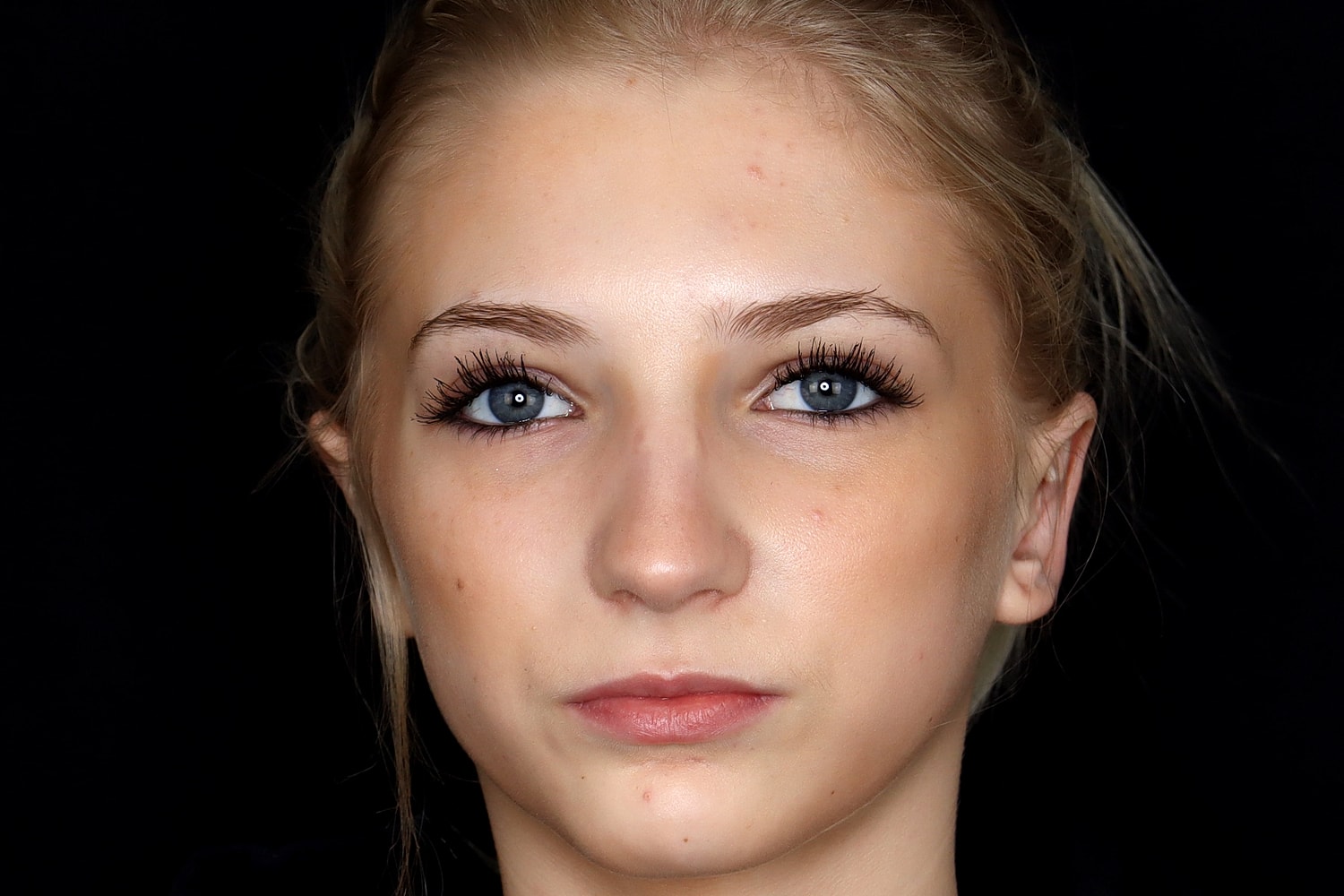
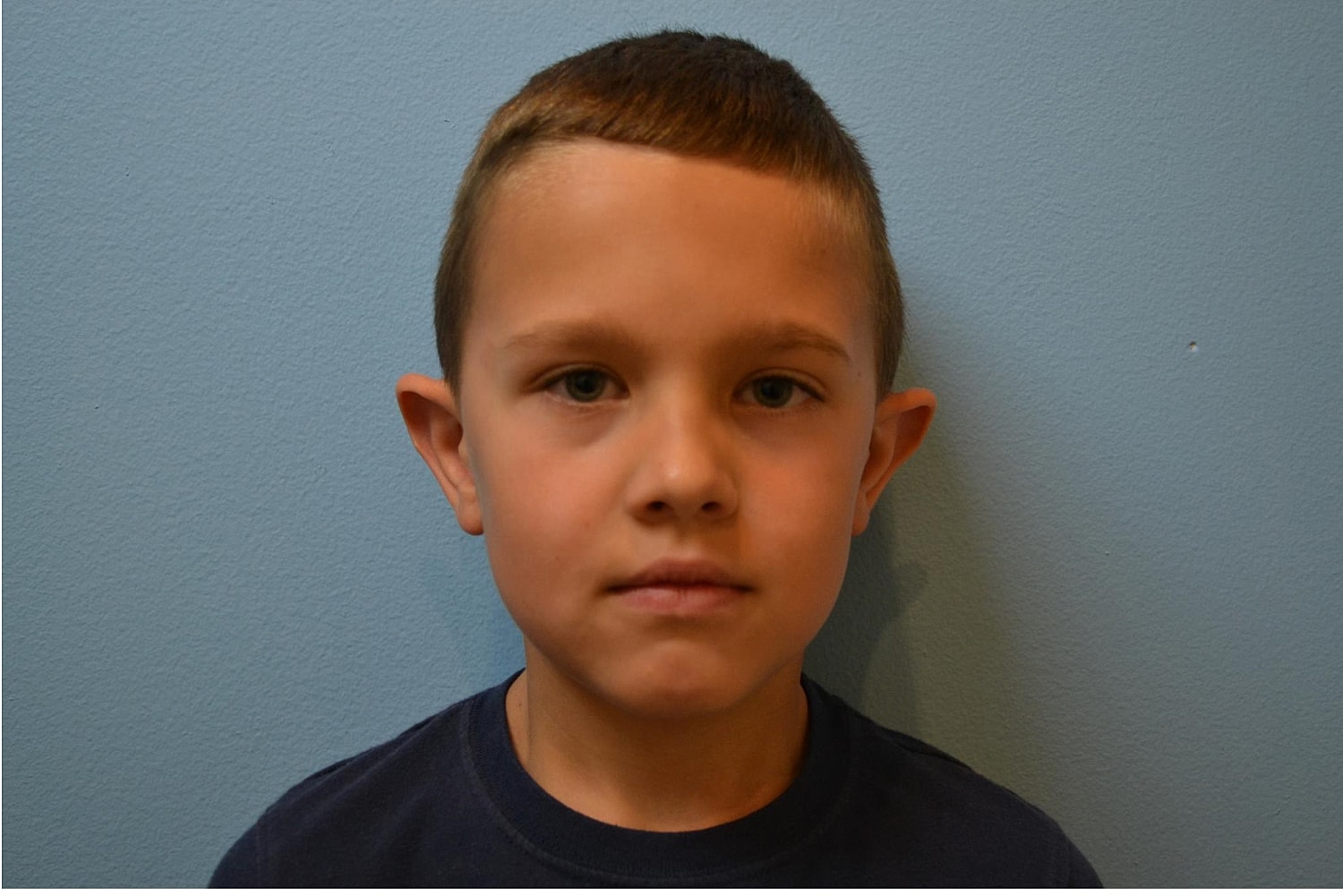
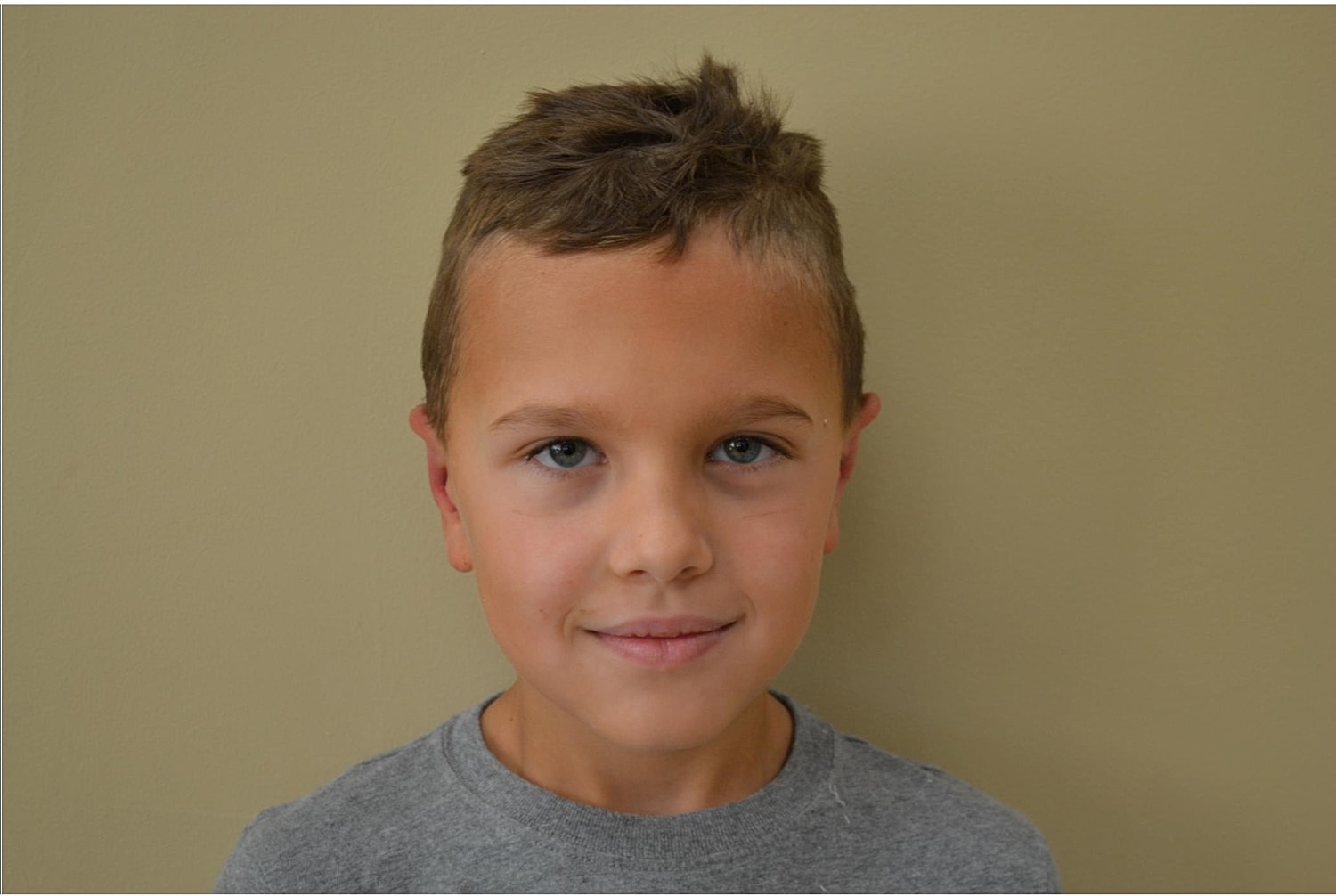
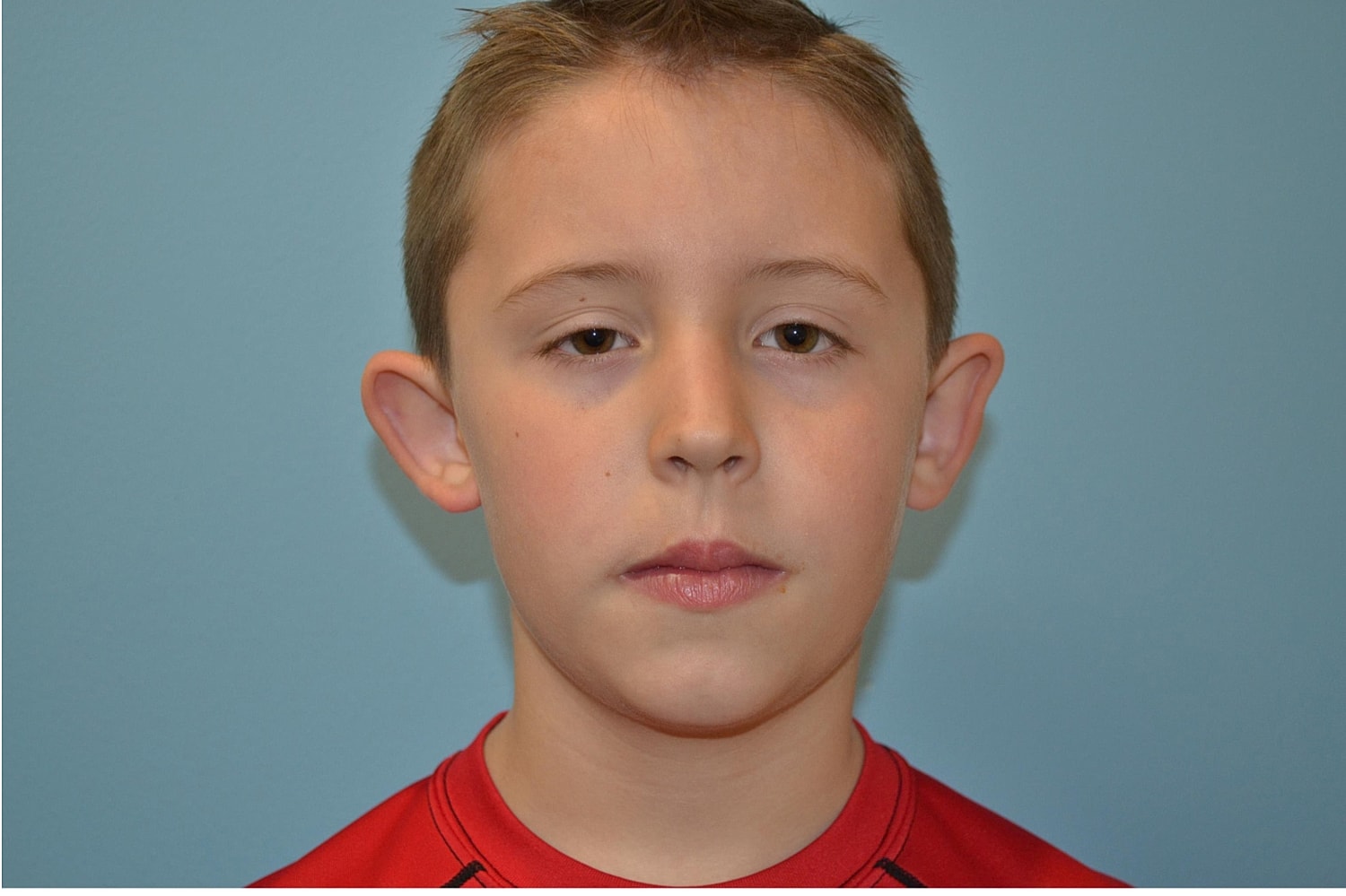
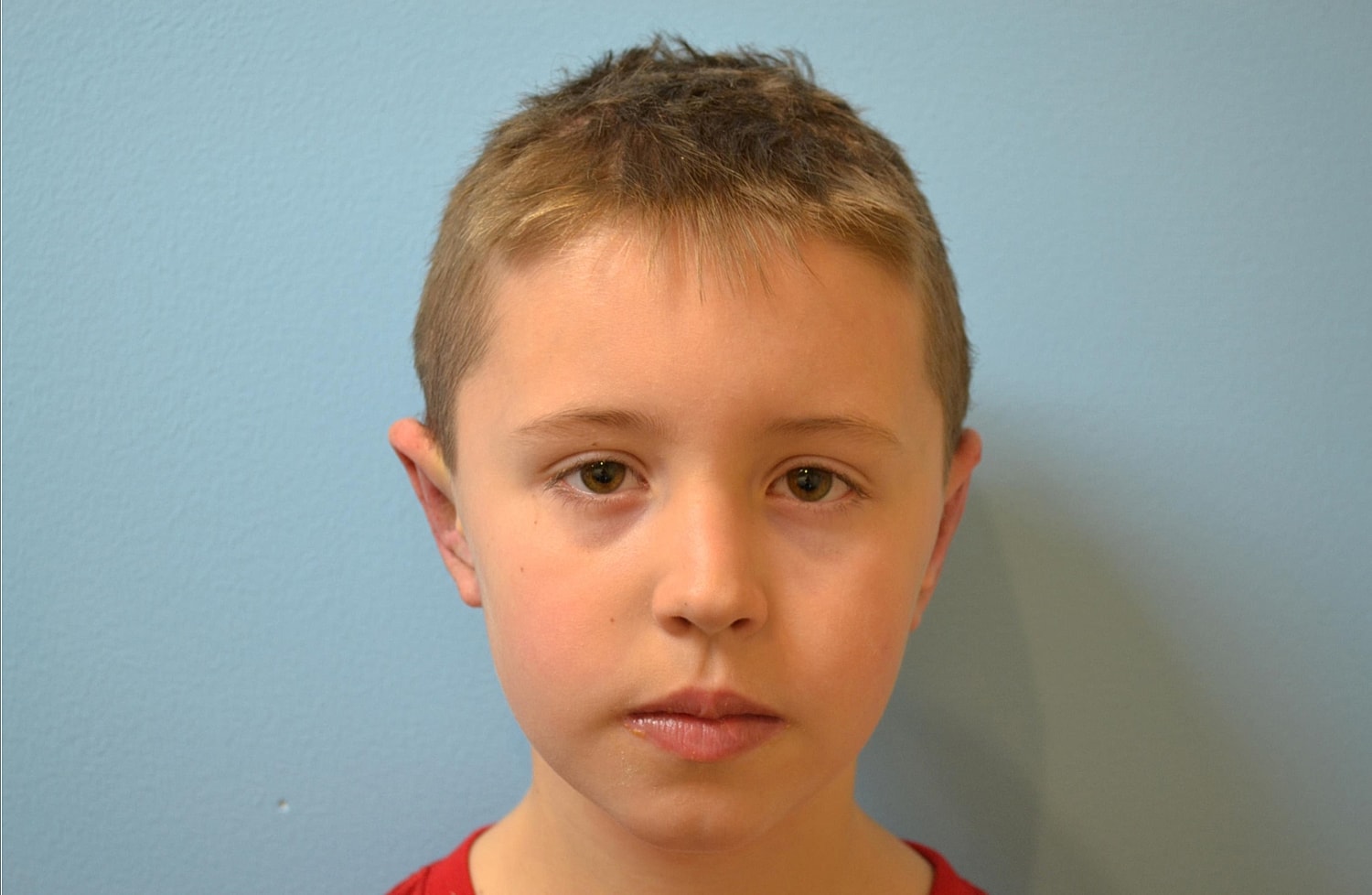
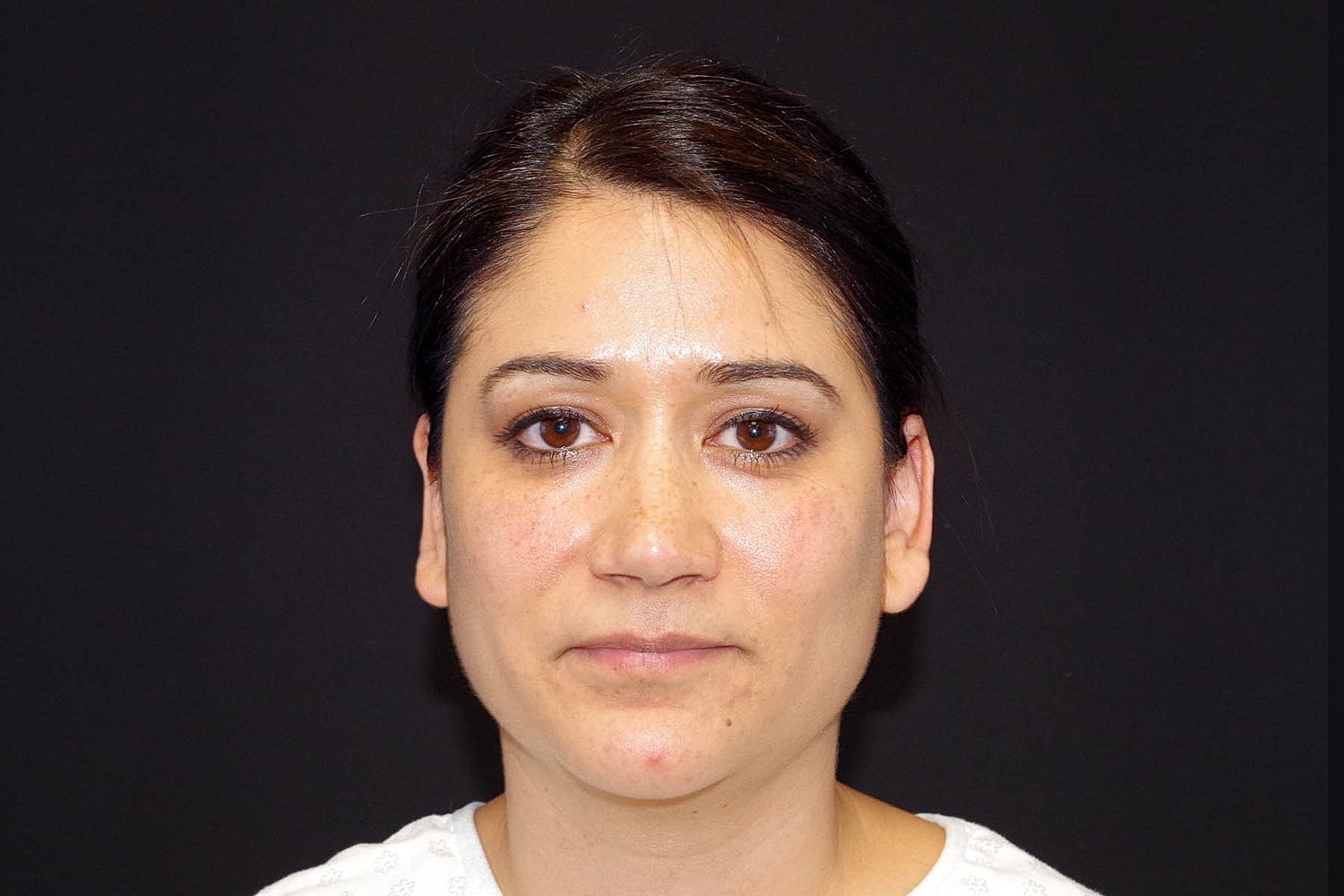
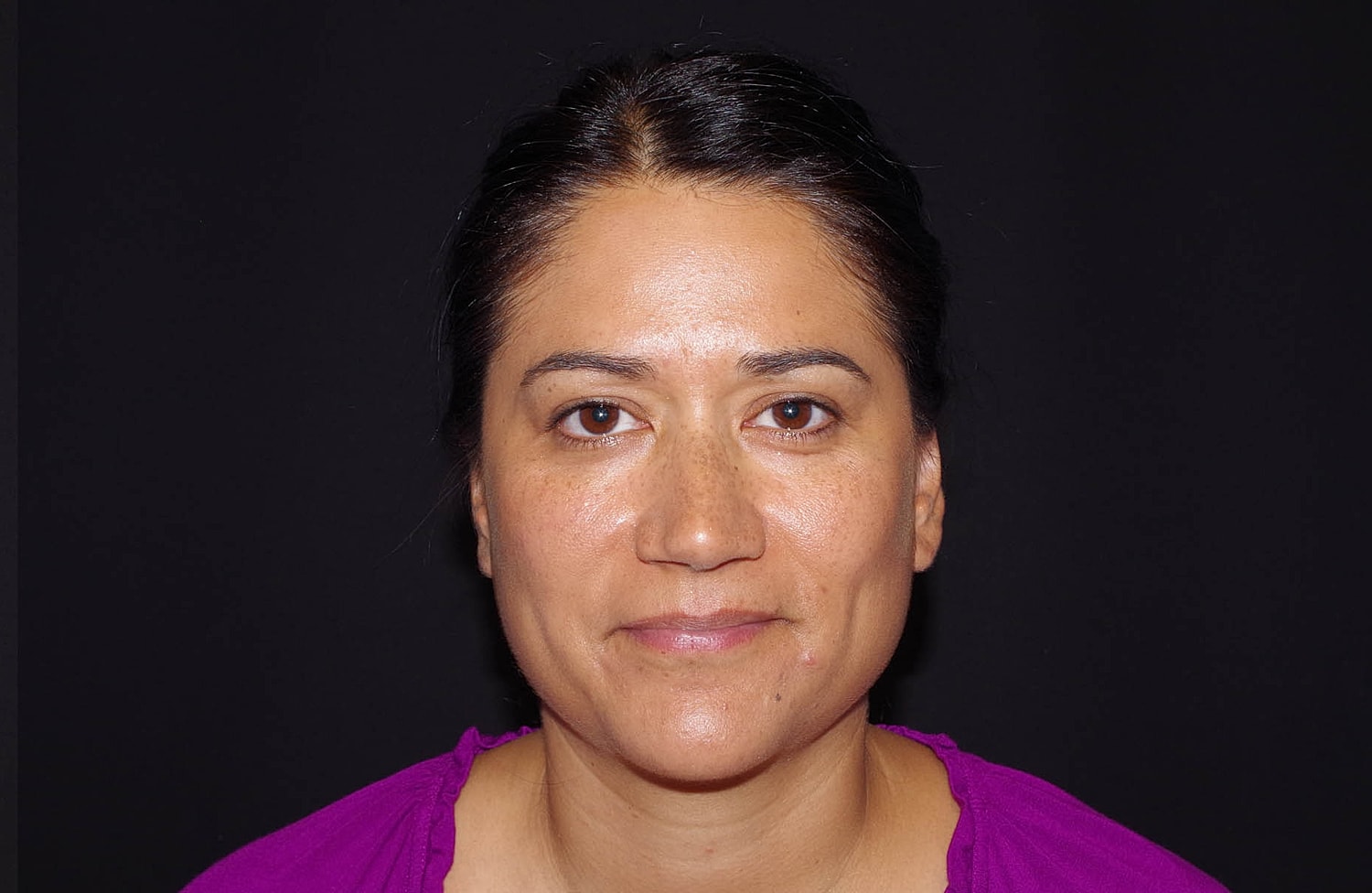
Otoplasty is a specialized cosmetic ear surgery chosen by those who wish to correct protruding ears or specific ear deformities. Dr. Pryor performs this procedure with the anatomical precision of a triple-fellowship trained plastic surgeon: a medical specialty dedicated to reconstructing and correcting deformities of the external ear.
His approach focuses on the intricate folds of the ear cartilage to ensure a result that looks entirely natural. Otoplasty is specifically designed to correct ear deformities, whether congenital or acquired, to restore normal anatomy and aesthetics. By applying the advanced methodology honed during his craniofacial fellowship at UCSD, Dr. Pryor ensures that every otoplasty procedure meets the highest standards of safety and aesthetic excellence.
1 of 5
Benefits
Corrects prominent ears, improves ear shape, and restores facial symmetry.
Downtime
Most Boca Raton Otoplasty patients return to school or work within one week, though a loose headband is worn at night for several weeks.
Duration
The surgery typically lasts one to two hours and is an outpatient procedure.
Safety
Performed under local anesthesia with sedation or general anesthesia, depending on patient age and complexity.
Otoplasty, also known as ear pinning surgery, is a transformative surgical procedure that improves the position, shape, or proportion of the ear. While it is commonly used to correct protruding ears that stick out too far from the head, it also addresses more complex ear deformities such as lop ear, cup ear, or cauliflower ear. The overall purpose is to create a more natural shape while better balancing the ears with the rest of the face.
Congenital auricular abnormalities occur in up to 20% of live births and can range from mild asymmetry to complete absence of an external ear. Some of these deformities may be associated with medical conditions such as Treacher Collins syndrome and hemifacial microsomia. Patients may seek otoplasty surgery to reduce the size of large ears (ear reduction) or to reshape the auricular cartilage that lacks a defined fold. Dr. Pryor tailors each cosmetic otoplasty to the individual, whether the goal is to correct a congenital issue or an acquired deformity. Because the external ear is a complex structure comprising the helical rim, scaphoid fossa, and conchal cartilage, he employs a holistic approach and advanced surgical techniques to ensure the new shape is both functional and beautiful.
The external ear, or auricle, is a remarkable structure that not only frames the face but also plays a vital role in hearing by collecting and funneling sound waves into the external auditory canal. Composed primarily of flexible auricular cartilage covered by skin, the external ear features several distinct parts: the helix (outer rim), antihelix (inner rim), tragus (the small projection in front of the ear canal), and the lobule (earlobe). Each of these elements contributes to the ear’s unique shape and function.
For many individuals, protruding or prominent ears can be a source of self-consciousness, especially when the ears lack natural folds or sit farther from the head than desired. Misshapen ears, including conditions such as lop ear or cup ear, may be present from birth or develop following injury. These ear deformities can affect not only appearance but also self-esteem, particularly in social or professional settings.
Ear surgery, commonly known as otoplasty or ear pinning, is a specialized cosmetic procedure that corrects protruding ears and restores a more natural shape. By carefully reshaping the ear cartilage, a skilled plastic surgeon can address a variety of concerns—from large ears requiring ear reduction to subtle asymmetries or congenital deformities. The goal is always to achieve a natural appearance that harmonizes with the rest of the face.
The otoplasty procedure typically involves a discreet incision behind the ear, allowing the surgeon to access and reshape the auricular cartilage. Depending on the patient’s needs, the surgery may be performed under local anesthesia or general anesthesia. Most patients experience a straightforward recovery and return to their normal routines within a few days, enjoying the confidence that comes with a more balanced, refined ear shape.

On the day of your surgery, you will enter our surgical sanctuary where every detail is managed with sophisticated elegance and your absolute comfort in mind. For adult patients, the procedure is often performed using a local anesthetic with sedation; children typically receive general anesthesia to ensure a peaceful experience. Dr. Pryor begins the otoplasty surgery by making a discreet incision on the cranial surface of the ear (the back) where the posterior skin meets the mastoid process.
Through this incision, he meticulously reshapes the ear cartilage to create a more defined superior and inferior crus. He carefully navigates important anatomical landmarks, such as the auricularis anterior and auricularis posterior muscles, to ensure the new ear position remains stable and natural. Using permanent internal sutures, he may pull the auricular prominence closer to the head or recreate a missing antihelical fold through precise cartilage handling. In cases involving a large conchal bowl, a small amount of cartilage may be removed to achieve a more proportional appearance. Once the ears are repositioned, the incisions are closed with fine sutures that remain hidden in the natural crease behind the ear.
Otoplasty can be performed once the ear cartilage has reached at least 75% maturation, which typically occurs around age 4 or 5. This timing allows younger patients to enjoy their results before entering significant social environments, such as grade school.
Otoplasty is the gold standard for treating prominent ears that lack a natural fold or sit too far from the skull. It also corrects “lop ear,” where the superior portion of the ear folds downward, “cup ear,” which is characterized by a very small or tight external ear structure, and small ears, which may be associated with congenital deformities like microtia or hemifacial microsomia. Stahl's ear, a congenital deformity characterized by a pointed ear due to an abnormal antihelical fold, can also be corrected with otoplasty.
For athletes or those who have suffered trauma, it can be used as corrective surgery for cauliflower ear to restore a normal appearance. In cases of severe deformity or reconstruction, such as microtia, otoplasty may involve using costal cartilage as a graft material to create the auricular framework and skin grafts to restore or augment the ear's structure when additional skin coverage is needed.


The most profound benefit of otoplasty is the significant boost in self-esteem that comes from no longer feeling the need to hide your ears behind long hair or hats. By creating a more natural shape and reducing auricular prominence, the face appears more harmonious and balanced.
Lasting Structural Correction
Unlike temporary aesthetic fixes, otoplasty provides a permanent change to the ear structure. Once the ear cartilage has been reshaped and healed in its new position, the results are designed to last a lifetime.
Subtle, Sophisticated Results
Boca Raton Otoplasty surgeon, Dr. Pryor’s "less is more" philosophy ensures that the ears do not look pinned back or artificial. Instead, they sit at a natural angle that complements the superficial temporal region of the face.
A good candidate for otoplasty is anyone over the age of five (when ear cartilage is stable enough for surgery) who is in good health and has realistic expectations. It is important to have a stable medical history and to avoid blood thinners or herbal supplements before surgery to minimize possible risks like blood clots. Dr. Pryor will evaluate your ear structure and skin quality during your consultation to determine the best otoplasty techniques for your goals.

During otoplasty recovery, you will wear a soft, supportive dressing for the first few days to protect the new shape of your ears. After an Otoplasty Boca Raton patients are instructed to wear a loose headband at night for the first few weeks to prevent the ears from being pulled forward during sleep.
Slight discomfort and swelling are normal and are typically well-managed with the personalized care plan our team provides. You should avoid contact sports or any activity that could bend the ear for at least six weeks. Dr. Pryor provides concierge-level follow-up to ensure your healing process is as effortless as your results.
The results of an otoplasty are visible almost immediately after the initial dressings are removed. You will notice that your ears sit in a more natural position and that any previous deformities have been refined. As the swelling fades over the first few weeks, the intricate folds of the helical rim and triangular fossa become more defined.
These Otoplasty results are permanent and typically require no further corrective surgery. Most patients report a life-enhancing change in how they view themselves, feeling a new sense of freedom in their personal and professional lives.

Choosing Dr. Landon Pryor means selecting a top reconstructive and plastic surgeon with an elite clinical background in both aesthetic and craniofacial surgery. His triple-fellowship training at prestigious institutions like the Cleveland Clinic ensures that your ear surgery is performed with hospital-grade safety and sophisticated precision.
Boca Raton Otoplasty surgeon, Dr. Pryor treats every patient with the patience and warmth he would offer his own family members. His commitment to sophisticated elegance ensures that your transformation is handled with the utmost discretion, grace, and personalized care.
East Coast? West Coast? No matter where you are, getting high-end care from one of the nation’s leading plastic surgeons will be worth the trip. Dr. Landon Pryor is a triple board-certified, triple fellowship-trained plastic surgeon known for surgical excellence in both aesthetic plastic surgery and as a national leader in Breast Implant Illness (BII) care and explant surgery. His aesthetic highlights include a deep structural approach to procedures like facelift, rhinoplasty, and breast contouring, aiming for natural-looking, refined, and stable results. For BII patients, he is recognized as a "Surgeon Advocate" who utilizes innovative explant techniques, such as the En Bloc Capsulectomy, and integrates holistic recovery protocols.
Patients travel from across the country to see Dr. Pryor because he is a "National Destination for Explant Surgery & Aesthetic Excellence," offering a steady presence, an evidence-first approach, and compassionate care from a highly trained surgeon who validates their symptoms and provides a safe path to restoration.
You can schedule a consultation with Dr. Pryor at the following locations:

No, otoplasty only addresses the external ear structure and auricular cartilage. It does not involve the external auditory canal or the middle/inner ear, where hearing occurs. The procedure is purely for improving the appearance and proportion of the ears.
Otoplasty typically occurs once the ears have reached near-full size, which is usually around age five or six. Performing the surgery at this age can help prevent the social difficulties and self-esteem issues that often arise when a child begins school with prominent ears.
Yes, the changes made to the ear cartilage during otoplasty are permanent. While the skin and tissues will continue to age naturally, the structural repositioning of the ears is designed to last a lifetime.
While rare, possible risks include suture extrusion (where an internal stitch becomes visible), asymmetry, or blood clots. Choosing a board-certified plastic surgeon like Dr. Pryor, who has extensive craniofacial training, significantly minimizes these risks.
Dr. Pryor places the surgical incisions on the posterior surface of the ear, where they are hidden in the natural shadow between the ear and the head. Once healed, these scars are nearly impossible to detect, even for patients with short hair.
It’s important to recognize that, as with any surgical procedure, otoplasty carries risks, including the possibility of blood clots, infection, or scarring. However, these risks are minimized when the surgery is performed by an experienced plastic surgeon who understands the intricate ear structure and employs advanced surgical techniques. For those seeking to correct protruding, misshapen, or otherwise deformed ears, otoplasty offers a lasting solution that can significantly enhance appearance and self-esteem.